Key Takeaways
- Microsoft will stop developing Copilot for Xbox consoles and wind down the mobile version
- The decision follows CEO Asha Sharma's reorganization that adds CoreAI executives to Xbox leadership
- Microsoft had announced in March that Copilot for Gaming would arrive on consoles this year
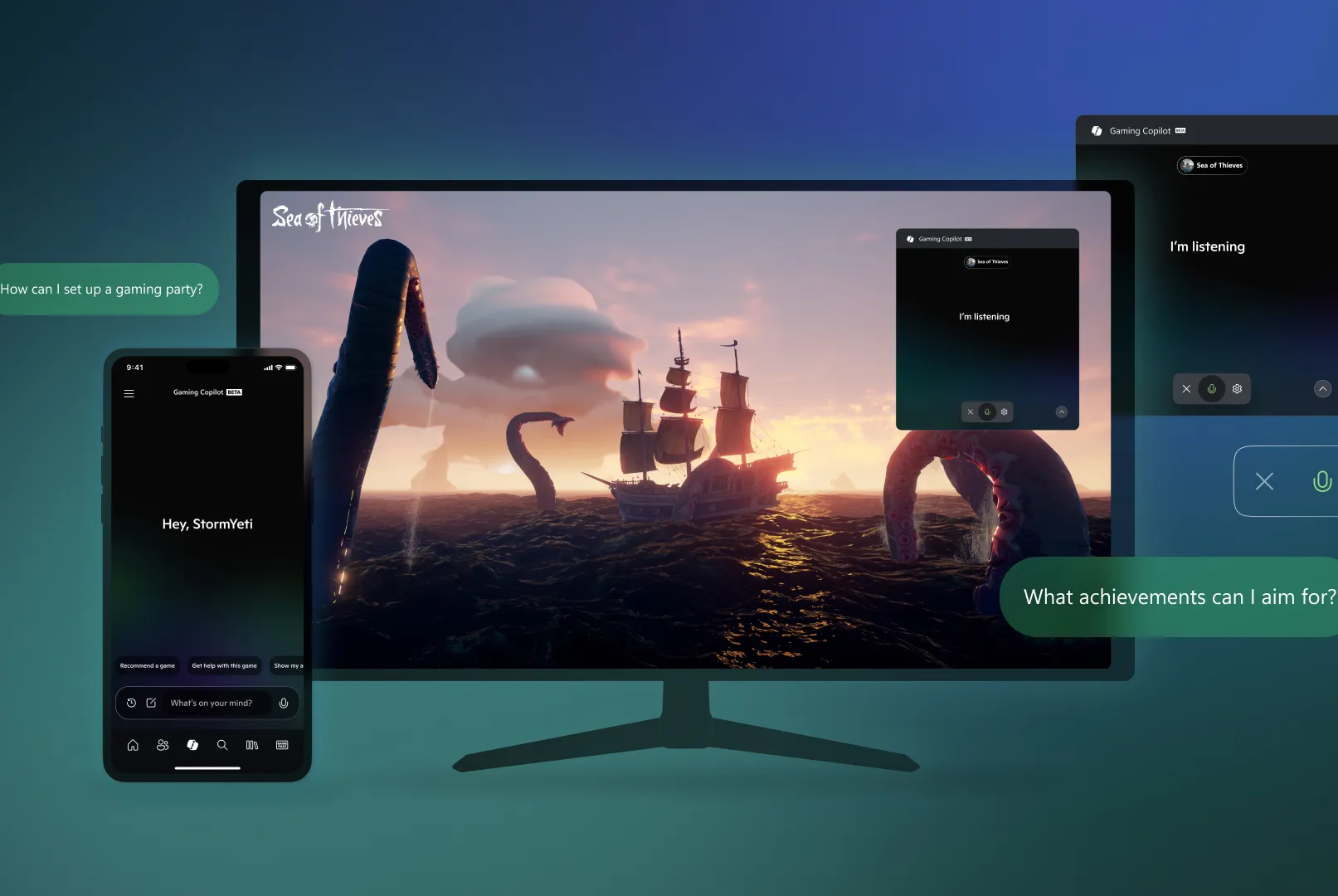
Microsoft is pulling the plug on its AI assistant for Xbox. New CEO Asha Sharma announced Tuesday that the company will stop developing Copilot for Xbox consoles entirely and begin winding down the mobile version.
The move marks a sharp reversal. Microsoft promoted Copilot for Gaming heavily last year and said in March that the gaming-focused AI would arrive on current-generation consoles sometime in 2026. That launch is now cancelled.
Leadership Shake-up Drives the Change
Sharma's announcement came hours after she reorganized Xbox's platform team. The restructuring brings executives from Microsoft's CoreAI division, where Sharma worked before taking over Xbox in February, into the Xbox organization. She also promoted existing Xbox leaders.
Sharma framed the Copilot shutdown as part of a broader effort to cut features that don't fit Xbox's new direction. In her post on X, she said Xbox needs to "move faster, deepen our connection with the community, and address friction for both players and developers."
“As part of this shift, you'll see us begin to retire features that don't align with where we're headed. We will begin winding down Copilot on mobile and will stop development of Copilot on console.”
— Asha Sharma, Xbox CEO
What Copilot for Gaming Was Supposed to Do
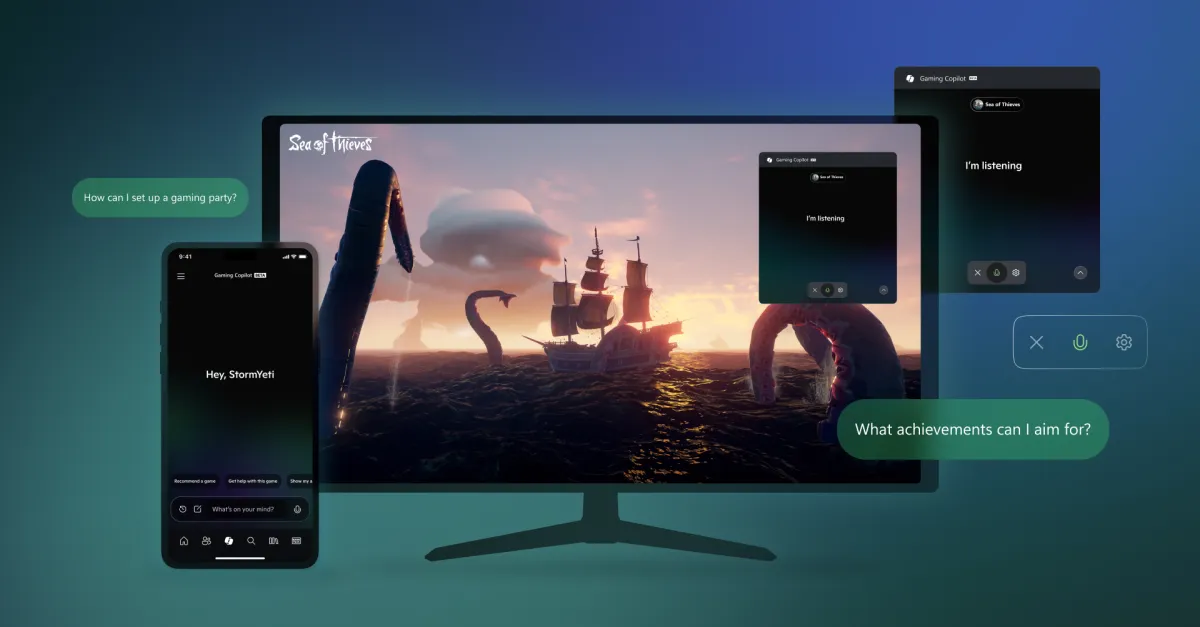
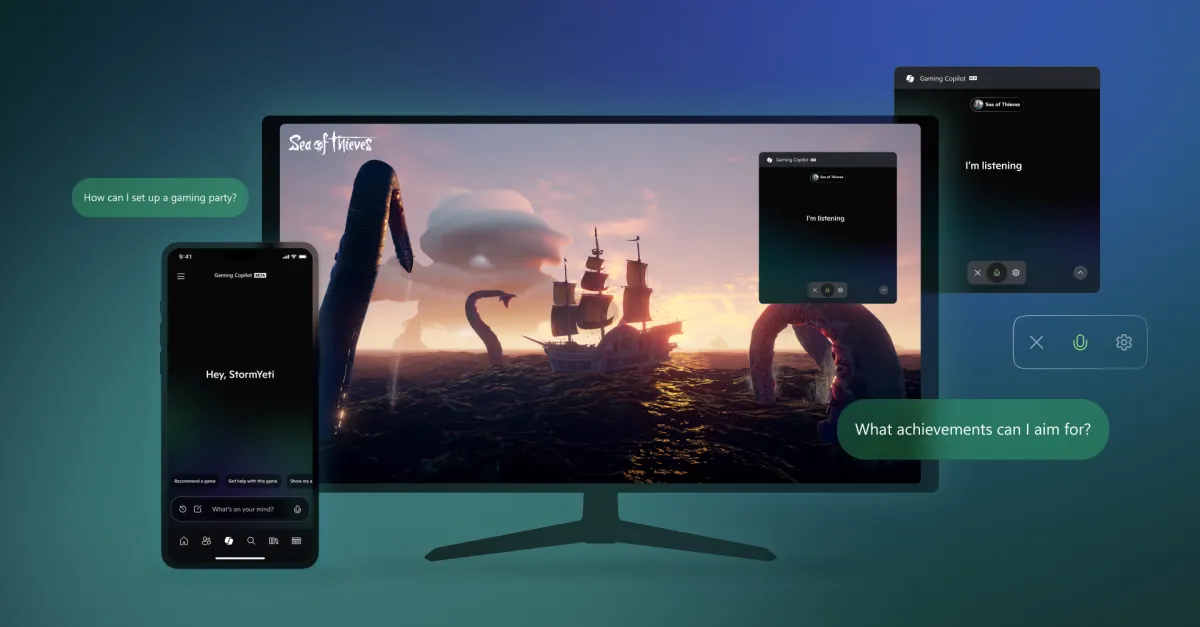
Microsoft pitched Copilot for Gaming as an AI assistant that could help players find games, answer questions about titles, and provide in-game tips. The company saw it as a way to extend its broader Copilot AI strategy into the gaming space.
The feature existed in limited form on Xbox mobile apps. Console integration was the bigger bet, one that Microsoft appeared committed to as recently as two months ago.
Sharma's First Three Months
Sharma took over from longtime Microsoft Gaming CEO Phil Spencer in February. She has moved quickly to reshape the division.
Her changes so far include scrapping the Microsoft Gaming brand entirely and cutting the price of Xbox Game Pass. The Copilot cancellation fits a pattern: Sharma appears willing to kill projects that don't show clear value, even ones Microsoft heavily promoted under previous leadership.
Her emphasis on reducing "friction for both players and developers" suggests a focus on core gaming experience over AI-powered extras. Whether that means more investment in game development, platform stability, or developer relations remains unclear.
Why This Matters
The cancellation raises questions about how AI will fit into gaming's future. Microsoft was among the first major console makers to try integrating a generative AI assistant directly into the gaming experience. That experiment is now over, at least for Xbox.
It also signals that Sharma won't preserve projects just because they align with Microsoft's company-wide AI push. Copilot is central to Microsoft's strategy across Windows, Office, and enterprise software. Killing it on Xbox shows Sharma has the authority to prioritize what she believes works for gamers over what fits corporate messaging.

Logicity's Take
Frequently Asked Questions
Is Xbox Copilot AI completely cancelled?
Yes for consoles. Microsoft will stop development entirely. The mobile version will be wound down, suggesting a gradual shutdown rather than immediate removal.
Who is the new Xbox CEO?
Asha Sharma took over as Xbox CEO in February 2026, replacing Phil Spencer. She previously worked in Microsoft's CoreAI division.
When was Copilot for Gaming supposed to launch on consoles?
Microsoft announced in March 2026 that Copilot for Gaming would arrive on current-generation Xbox consoles sometime in 2026. That launch has been cancelled.
What other changes has the new Xbox CEO made?
Asha Sharma has scrapped the Microsoft Gaming brand, cut Xbox Game Pass prices, and reorganized Xbox's leadership team to include executives from Microsoft's CoreAI division.
Another major tech company struggling with product strategy
Need Help Implementing This?
Leadership Shakeup: CoreAI Executives Join Xbox Frontline
The new article identifies specific executives joining Xbox from Microsoft's CoreAI division, including Jared Palmer as VP of Engineering, Tim Allen for Design, and Jonathan McKay for Growth. It also details the hiring of former Instacart executive David Schloss to lead subscriptions and cloud services.
Strategic Rationale and Windows Alignment
The new article provides specific quotes from CEO Asha Sharma explaining that the decision aims to 'address friction' and get the business 'back on track.' It also provides broader context by linking the Xbox move to Microsoft's recent withdrawal of Copilot from various Windows apps.
Leadership Appointments and Platform Uncertainty
The new article identifies specific leadership appointments, naming Jared Palmer and Tim Allen as key executives joining from CoreAI. It also highlights that the future of Copilot on the PC Game Bar and ROG Ally remains uncertain and cites a past privacy backlash regarding screen-activity data as relevant context.
Manaal Khan
Tech & Innovation Writer
Produced with AI assistance and reviewed by the Logicity editorial team. Learn more in our Editorial Policy.