Xbox Project Helix Swag Campaign: Microsoft Sends Merch to Influencers for Console Nobody Has Seen
Key Takeaways
- Xbox is distributing Project Helix branded merchandise to influencers despite the console having zero public details
- Developer kits for Project Helix aren't expected until 2027, meaning games are barely in development
- New Xbox CEO Asha Sharma replaced Phil Spencer and Sarah Bond in February 2026
- Xbox faces plummeting sales, workforce cuts, and an active consumer boycott
- The swag includes t-shirts, hoodies, hats, and signed thank you cards from Sharma

Read in Short
Xbox is already shipping branded merchandise for Project Helix to influencers and content creators, even though nobody outside Microsoft has seen the console and developer kits won't arrive until 2027. It's an unusual marketing move for a company dealing with leadership upheaval, layoffs, and seriously damaged consumer trust.
So here's the thing about Xbox right now: it's chaos. Absolute, unfiltered chaos. And in the middle of all this turbulence, Microsoft's gaming division decided the best use of everyone's time was shipping t-shirts to YouTubers for a console that basically exists as a PowerPoint slide.
Late last week, content creators and gaming influencers started posting about receiving care packages from Xbox. Inside? A full collection of Project Helix branded gear. We're talking t-shirts, sweatshirts, hoodies, hats, and personalized thank you cards signed by new Xbox CEO Asha Sharma. All of it featuring the runic logo for a machine nobody has actually laid eyes on.
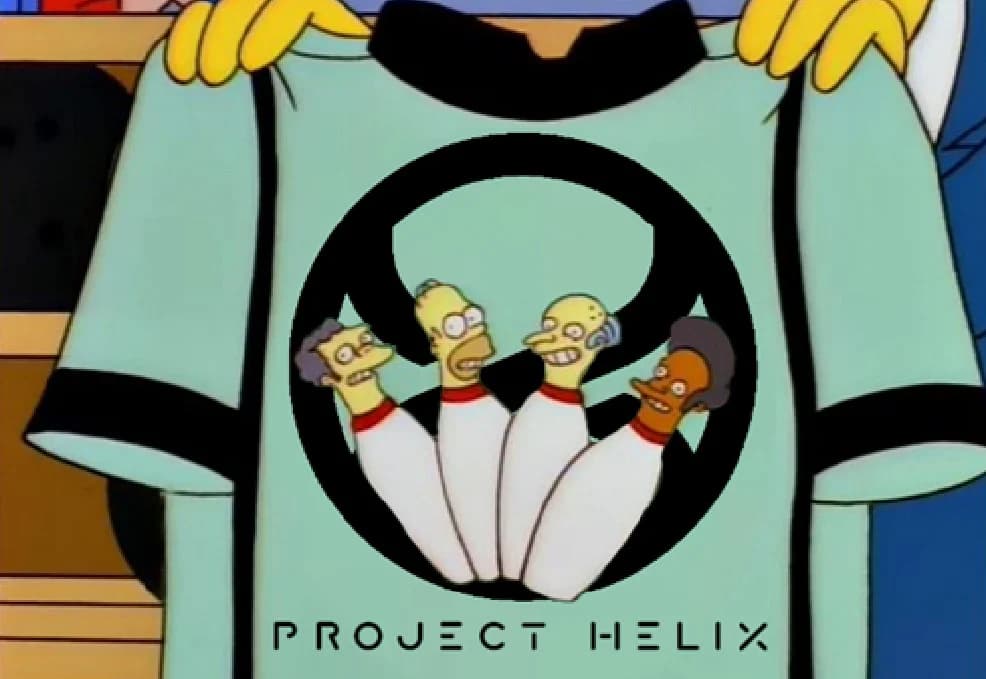
“I appreciate the Xbox team for sending me this Project Helix merch drop. I'm excited to see how accessibility will evolve in the future of Xbox.”
— Steve Saylor, accessibility advocate
The Timeline Makes Zero Sense
Look, gaming companies send swag all the time. Spend enough years covering this industry and you'll have enough branded hoodies to never do laundry again. That's normal. What's weird is sending out merchandise for something that doesn't exist in any meaningful way yet.
Let that sink in. Games made specifically for Project Helix are barely a thought bubble right now. Studios don't have the hardware. They can't test anything. They're probably still in early conceptual meetings about what they might eventually build for this thing. And Xbox is out here printing hoodies.
We're also ahead of the summer promotional season, which means Xbox might be gearing up for some kind of reveal or presentation. But even then, showing off a console that's years away from having a meaningful software library feels premature at best.
The Leadership Earthquake
You can't understand this weird marketing push without understanding what happened in February. Phil Spencer and Sarah Bond, two of the most recognized faces in Xbox's recent history, suddenly departed the company. Their replacement? Asha Sharma, an AI executive who came in hot with announcements about Project Helix.
Sharma hit the ground running, but the Project Helix announcement was light on anything that would actually distinguish it from current Xbox hardware. We got a name. We got some vague promises. And now we've got branded apparel. That's not exactly a roadmap that inspires confidence.
With an AI executive now running Xbox, understanding the current AI investment landscape adds context to Microsoft's leadership decisions
Xbox's Perfect Storm of Problems
Here's why this merch campaign feels so tone-deaf. Xbox isn't operating from a position of strength right now. They're bleeding from multiple wounds simultaneously, and sending influencers free hoodies isn't going to stop the hemorrhaging.
- Sales numbers are tanking across the board
- Workforce layoffs continue to hit the gaming division
- Component costs have skyrocketed globally
- Console entry prices have become astronomical
- Consumer confidence is at historic lows
- An active boycott movement exists among players
- Current-gen Xbox owners don't feel satisfied with their purchase
The Game Pass strategy that was supposed to revolutionize gaming? It imploded. The platform agnosticism approach that was meant to expand Xbox's reach? Didn't pan out. The rapid expansion plans? Collapsed under their own weight. Everything Xbox bet on over the past few years has crumbled.
The Consumer Boycott Factor
Xbox is currently facing an organized consumer boycott, with players protesting everything from Game Pass price increases to the handling of acquired studios. This makes traditional hype-building significantly harder when a vocal portion of your fanbase is actively telling people not to buy your products.
The Desperation Vibes Are Real
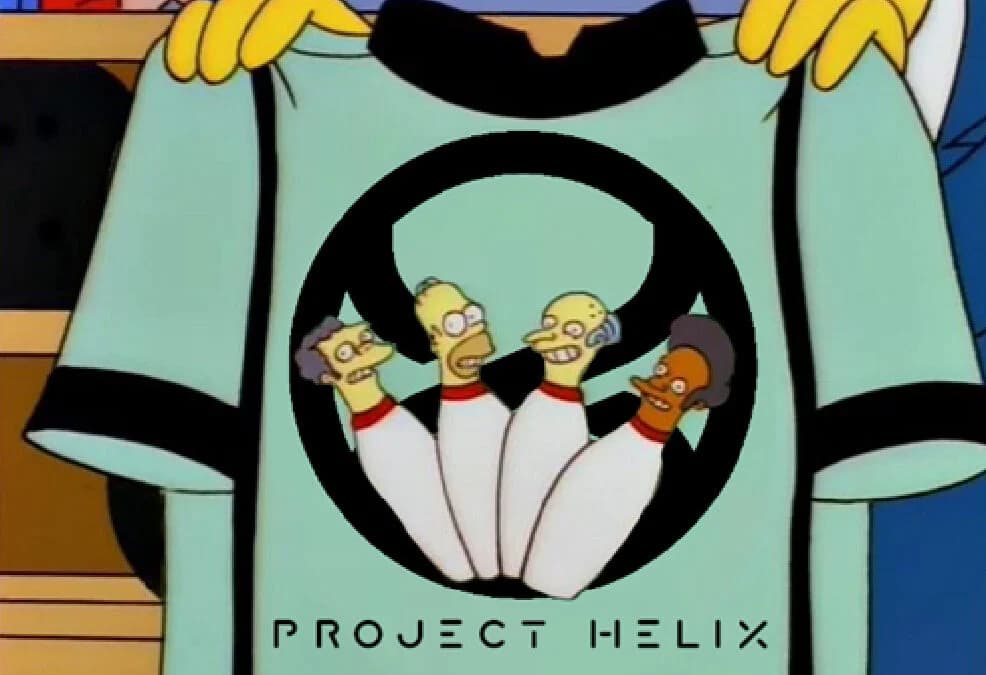
There's a comparison floating around that really captures the energy here. Sending out branded merch for something so far from release is the kind of move you usually see from, and I quote, "a Burbank guy self-producing, directing and starring in an adaptation of his own comic book." Ouch. But also? Kind of accurate.
When you're confident about a product, you wait. You build anticipation. You show people something worth getting excited about, then you capitalize on that excitement with merchandise and promotional materials. What you don't do is ship hoodies to influencers for a console that's years away from having playable games.
It reeks of trying to manufacture enthusiasm that should develop organically. And the gaming community can smell that desperation from a mile away.
Component costs are a major factor in console pricing. This piece explains the semiconductor landscape affecting next-gen hardware
What Xbox Actually Needs
Three different kinds of shirts aren't going to dress up this crisis. Xbox needs something far more substantial. They need to show gamers why Project Helix matters. They need exclusive games that can't be played anywhere else. They need to rebuild trust with a community that feels burned by years of broken promises and shifting strategies.
And honestly? They need time. Which is the one thing this premature marketing push suggests they don't think they have.
The console wars have always been about momentum. Sony's been riding high. Nintendo's doing Nintendo things. Xbox keeps tripping over its own feet. Sending swag to influencers might generate some social media posts, but it's not going to change the fundamental narrative around the brand.
The Summer Question
If there's any silver lining here, it's that this could be the setup for something bigger. Xbox might be planning a major reveal for the summer gaming season. Maybe they've got something genuinely impressive to show. Maybe the merchandise is just the first wave of a larger campaign.
But here's the problem with that optimistic reading: even if Xbox reveals something great this summer, the hardware is years away. And in the meantime, they've got a current console generation that people aren't happy with, a subscription service that keeps getting more expensive, and a portfolio of studios that keep getting gutted.
You can't hype your way out of that situation. You have to deliver. And right now, all Xbox has delivered is some nice cotton blends with a runic logo on them.
The Bottom Line
Is this the weirdest thing a gaming company has ever done? Not even close. But it's a perfect encapsulation of where Xbox is right now: throwing stuff at the wall to see what sticks, operating without a clear long-term vision that anyone can articulate, and hoping that brand loyalty will carry them through a rough patch that keeps getting rougher.
The influencers will wear the shirts. They'll post about them. Some fans will get excited because that's what fans do. But the fundamental questions about Xbox's future remain completely unanswered. And you can't answer those questions with merchandise.
Project Helix might eventually become something worth getting excited about. But right now? It's just a logo on a hoodie.
Source: Kotaku / Zack Kotzer
Manaal Khan
Tech & Innovation Writer
Produced with AI assistance and reviewed by the Logicity editorial team. Learn more in our Editorial Policy.