Key Takeaways
- The iPhone 13 Mini is still 18mm shorter than the smallest mainstream Android phone available today
- Apple discontinued the Mini line after two generations due to weak sales
- The 13 Mini includes features missing from newer iPhones like the 16E and iPhone Air
The Underdog Apple Gave Up On
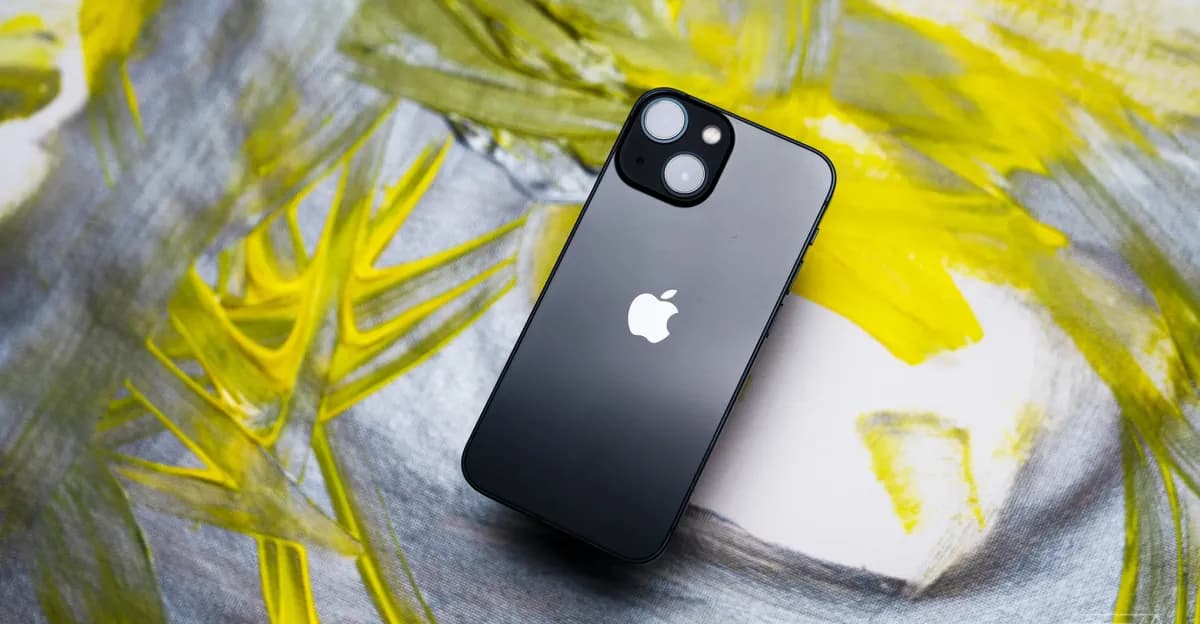
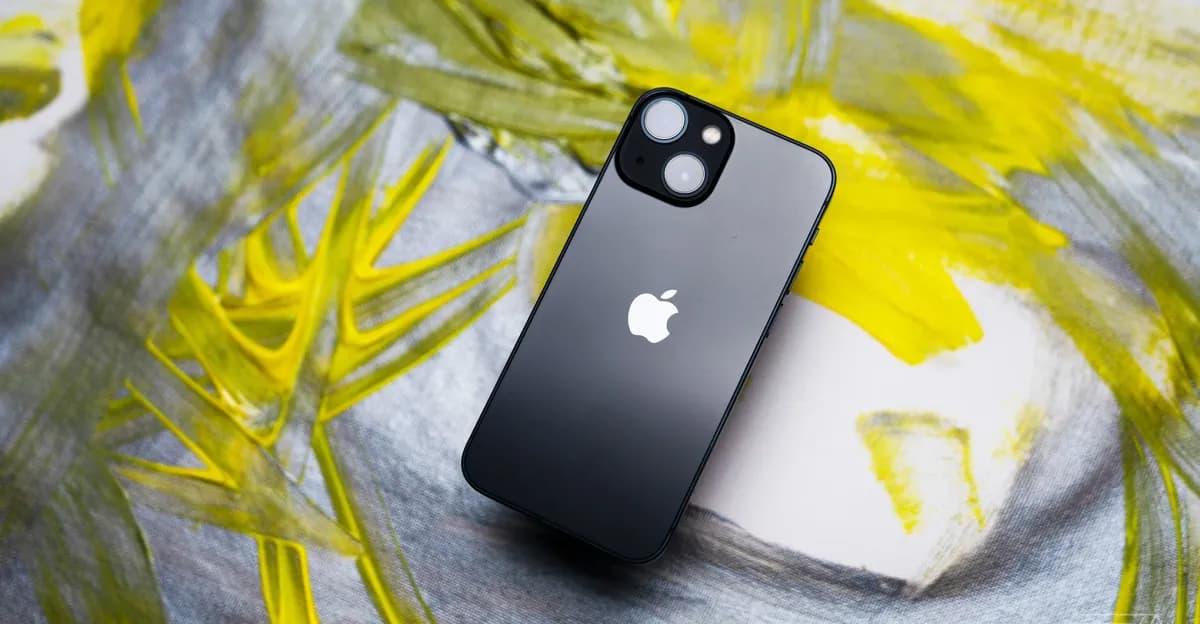
The iPhone 13 Mini launched nearly five years ago. Apple tried the small phone experiment twice, watched sales disappoint, and killed the line. When the iPhone 14 arrived in fall 2022 without a Mini successor, the compact flagship era ended.
Allison Johnson, a senior reviewer at The Verge, bought her 13 Mini in 2023 knowing it was already over a year old. She figured it was her last chance to own a new small phone before they disappeared entirely. She was right.
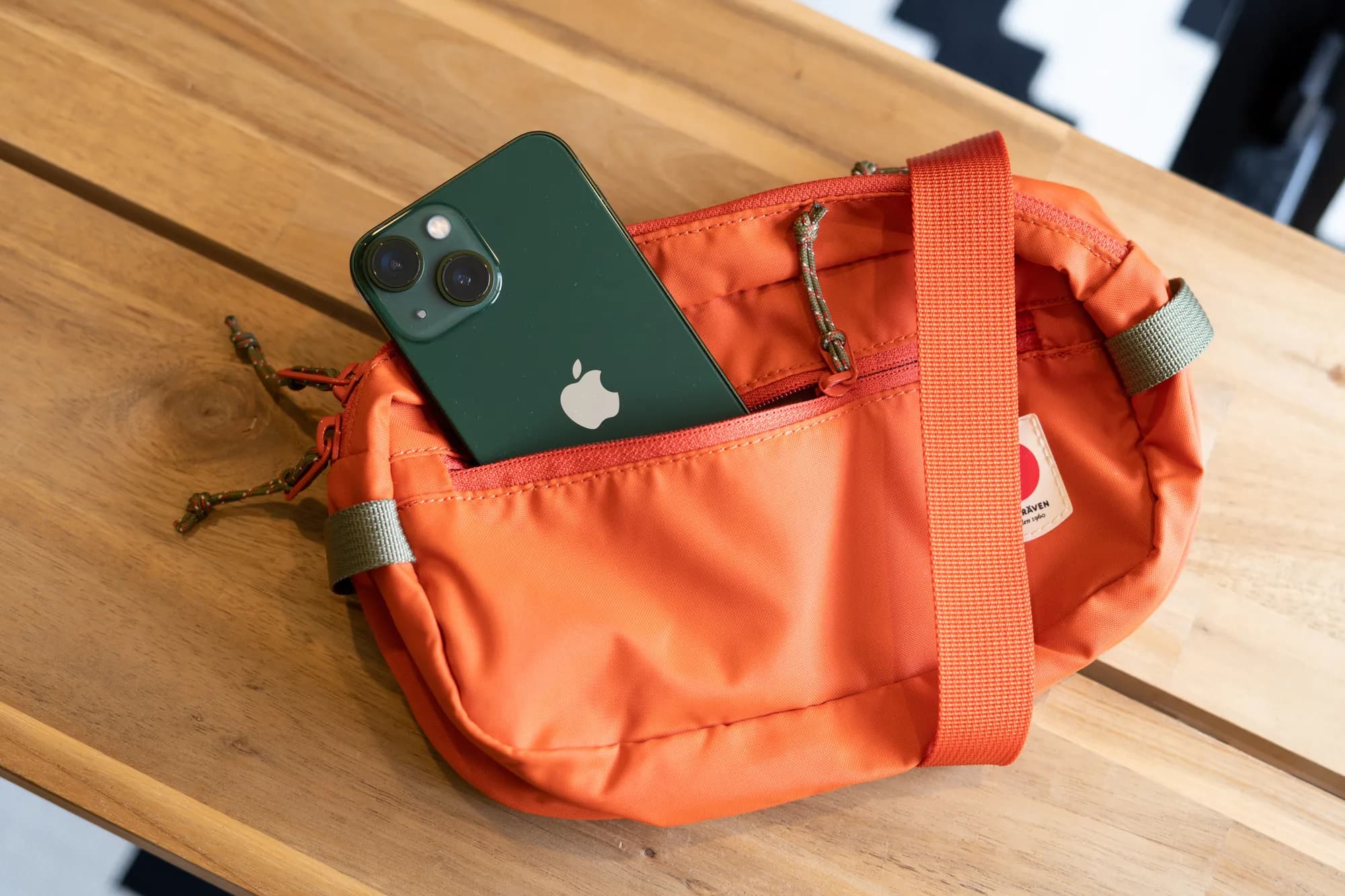
Pick up a 13 Mini after using any modern phone and it feels laughably small. A tiny device in a world of Maxes and Ultras. But that's precisely the point.

Why Small Phones Still Matter
Johnson makes a practical case for compact devices. The Mini works one-handed without fumbling to reach across the screen. It fits in a coat pocket and disappears. It slides into the front pocket of jeans or an evening clutch with room to spare.
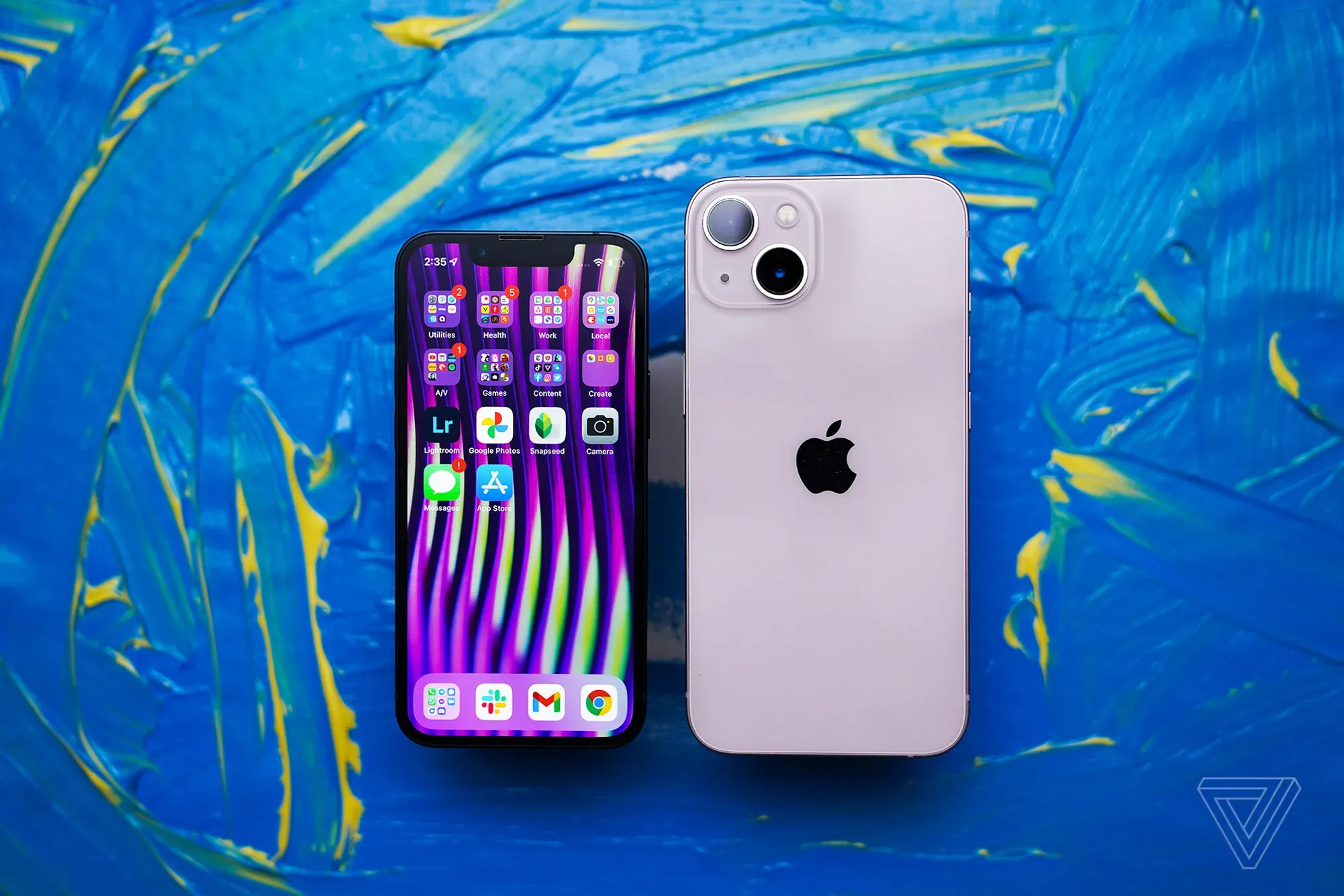
The market has moved decisively in the opposite direction. The Samsung Galaxy S26 is now the smallest mainstream Android phone available, and it's a full 18mm taller than the Mini. That's nearly three-quarters of an inch of extra phone in your pocket.
A Surprisingly Complete Package
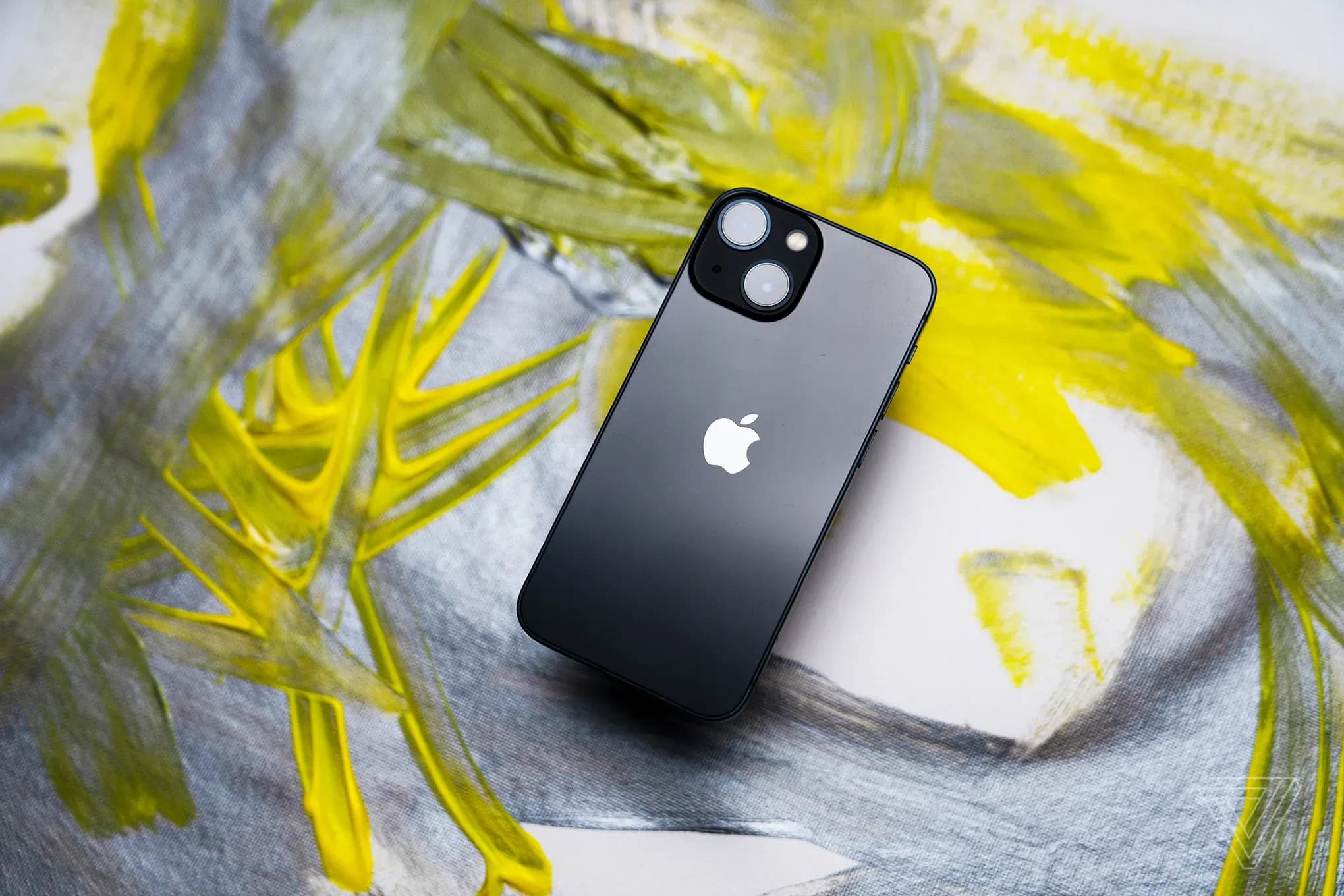
Despite its size, the 13 Mini packed features that some newer iPhones lack. It has MagSafe, which the much more recent iPhone 16E doesn't include. It has an ultrawide camera, missing from the brand-new iPhone Air. And it has a physical SIM tray, something Apple has eliminated from its US models.
That SIM tray became unexpectedly valuable for Johnson's work as a reviewer. When testing Android phones with physical SIMs that need to transfer to eSIM-only iPhones, the 13 Mini serves as a bridge device. Put in the physical SIM, convert to eSIM, transfer to the test iPhone.
Is this a weird, niche reason to love a phone? Absolutely. But the Mini was always a weird, niche phone for people who wanted something different from the industry's relentless push toward bigger screens.
Why It's Finally Time to Let Go
Johnson admits she hadn't used her Mini for months. As a reviewer who goes all-in on test devices, putting her own phone line on each one, the Mini was supposed to be a treat between reviews. Instead, it gathered dust.
The phone itself hasn't changed. Nearly five years later, Johnson still calls it the best phone ever made. But she has changed. After using it again for a couple of weeks, she's decided it's time to put the 13 Mini to rest.
Battery life on a five-year-old device doesn't help. Neither does the reality that software support won't last forever. The Mini is on its last legs, not because Apple built a flawed product, but because time catches up with everything.
The Gap No One Has Filled
Apple's decision to abandon the Mini line reflected cold market reality. Most buyers chose larger phones. But for the small phone faithful, nothing has replaced what Apple offered.
Android manufacturers have consolidated around 6-inch and larger displays. Samsung, Google, and others compete on screen size, camera systems, and battery capacity. Compact flagships don't fit that arms race.
The iPhone 13 Mini stands as the last mainstream attempt to build a small phone without compromise. MagSafe, dual cameras, flagship processor, premium build. Everything except the battery life matched its bigger siblings.
Logicity's Take
Frequently Asked Questions
Why did Apple discontinue the iPhone Mini?
Apple stopped making the Mini after two generations because sales didn't meet expectations. Most buyers chose larger iPhone models, making the compact line commercially unviable.
What is the smallest iPhone available in 2026?
The iPhone SE remains Apple's smallest current phone, but it's larger than the discontinued 13 Mini and lacks features like MagSafe and the ultrawide camera.
What is the smallest Android phone in 2026?
The Samsung Galaxy S26 is the smallest mainstream Android phone currently available, but it's 18mm taller than the iPhone 13 Mini was.
Does the iPhone 13 Mini still receive software updates?
The iPhone 13 Mini continues to receive iOS updates, but as a nearly five-year-old device, its software support window is approaching its end.
Another look at premium hardware and the tradeoffs in modern device design
Need Help Implementing This?
Manaal Khan
Tech & Innovation Writer
Produced with AI assistance and reviewed by the Logicity editorial team. Learn more in our Editorial Policy.




