Key Takeaways
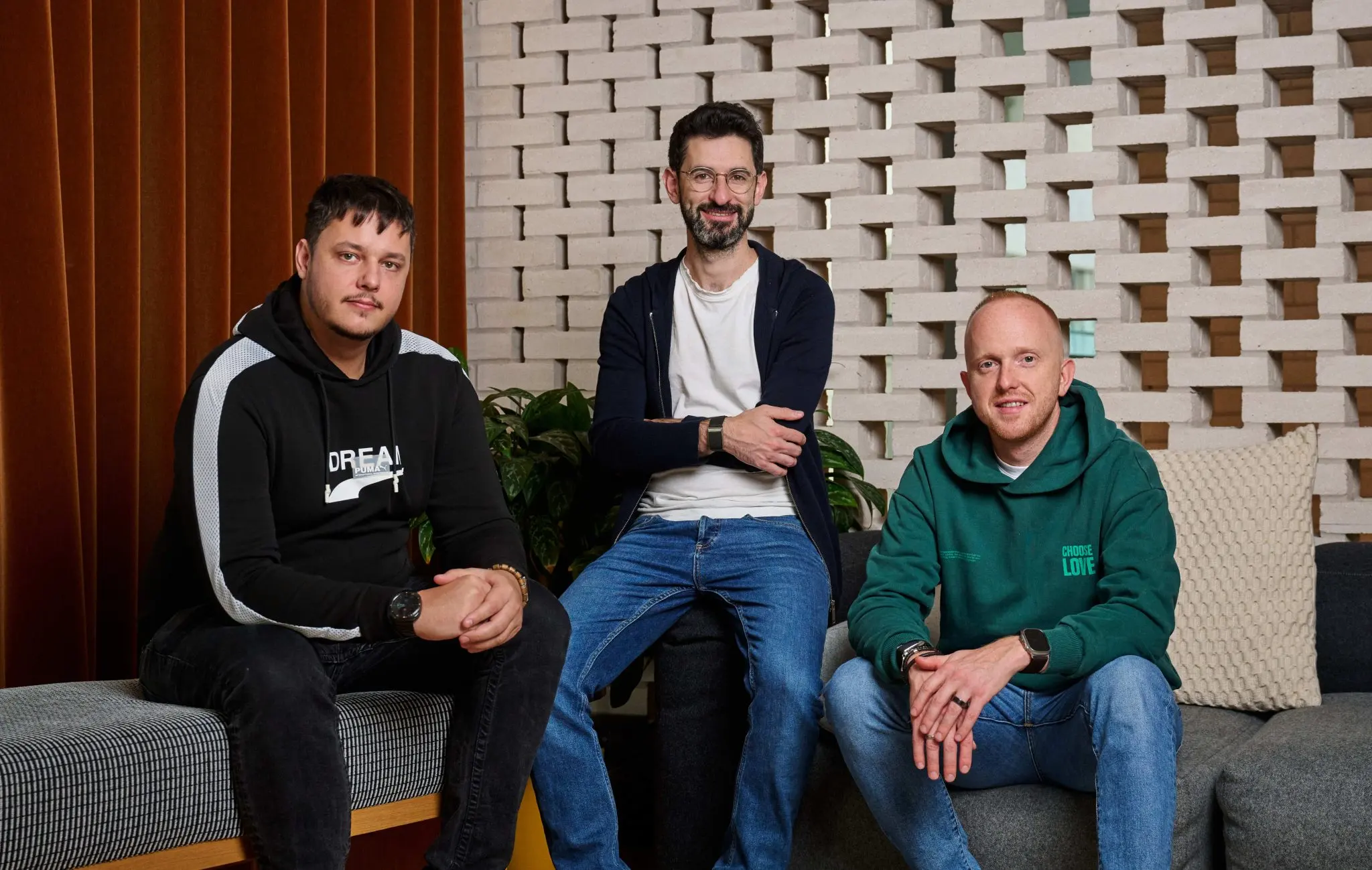
- VLC lead developer Jean-Baptiste Kempf founded Kyber, raising $5M from Lightspeed to build real-time control infrastructure for robots and drones
- Kyber's SDK synchronizes video, audio, sensor data, and control inputs with minimal latency for remote device operation
- The startup targets robotics, drones, and remote IT access, with customers already deployed in defense, telco, and AI sectors
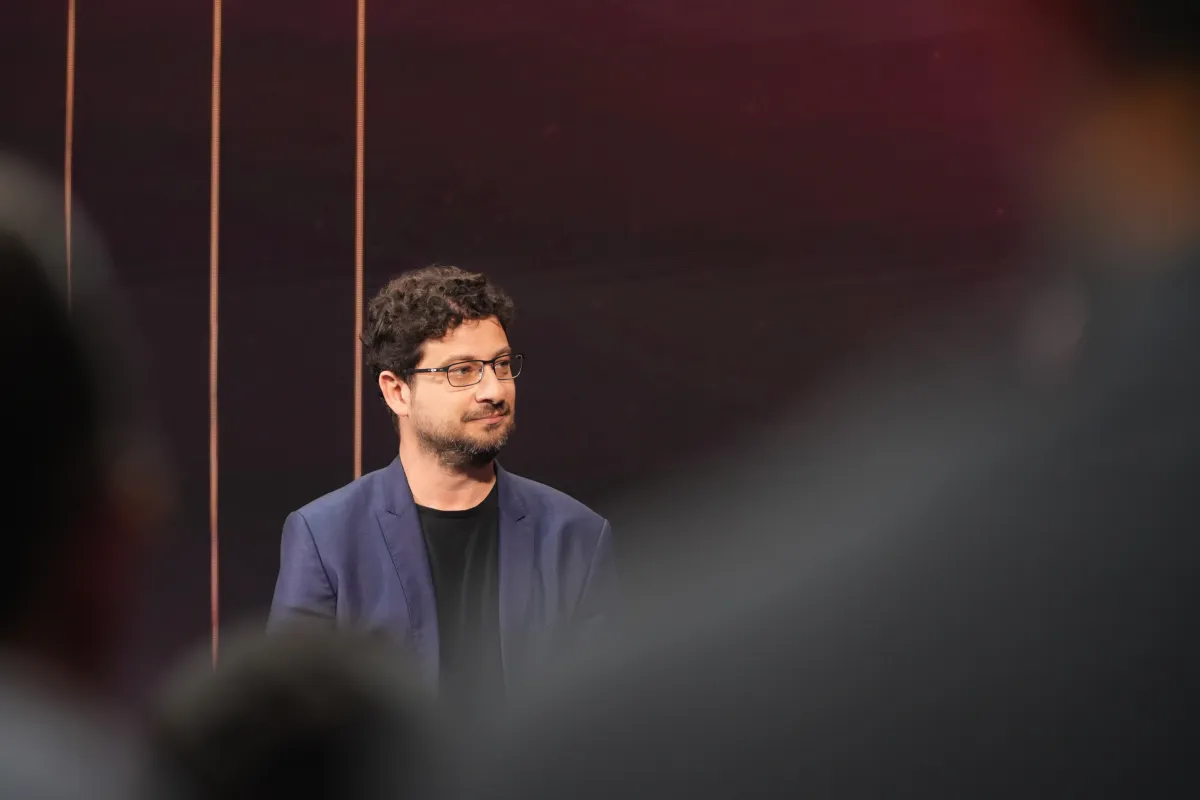
Jean-Baptiste Kempf built VLC Media Player, the orange-cone video player downloaded more than 6 billion times. Now he's betting that robots will need the same kind of infrastructure work. His Paris-based startup Kyber just raised $5 million from Lightspeed Venture Partners to build an SDK that lets operators control remote devices in real time.
The pitch is straightforward. Kempf believes "hundreds of millions of robots and drones" will be operating within a few years. All of them will need to send video, sensor data, and control signals back and forth with minimal lag. Kyber's software synchronizes all of that.
Why does real-time robot control matter?
"If you control things in the real world, every millisecond matters," Kempf told TechCrunch. The startup's name references lightsaber crystals from Star Wars, a nod to its obsession with speed.
Kyber targets a specific problem: situations where the operator, the compute, and the action are in three different places. Think a warehouse robot controlled from a remote operations center, with processing happening in a cloud somewhere between them. That distributed setup creates latency. Kyber's SDK exists to kill it.
The technology builds on video-streaming expertise. Kempf developed the early version while serving as CTO at Shadow, the cloud gaming startup. Gaming demands the same obsessive attention to lag. A frame delivered 50 milliseconds late ruins a game; it also ruins a drone delivery or a surgical robot.
What makes Kyber different from existing solutions?
Kempf acknowledges that large companies have already built similar systems internally. Remote driving operations, for instance, require exactly this kind of real-time infrastructure. But those solutions stay proprietary.
"The largest fleets today have maybe 2,000 or 3,000 vehicles," Kempf said. "Imagine you need to manage millions of them; that's not the same thing."
Scale changes everything. When AI agents manage entire fleets instead of human operators, observability becomes critical. The system needs to know, in real time, whether each device is actually working. And at smaller scales, there's a simpler benefit: pushing software updates without physically touching every device.
How is Kyber structured as a business?
True to Kempf's open-source roots, the core project is free. The company sells a productized enterprise version. It also offers hands-on deployment through forward-deployed engineers, similar to Palantir's model.
Those FDEs make up a significant portion of Kyber's 25-person team. The startup runs offices in Paris, San Francisco, and Singapore to support what it expects will be a global customer base.
Kyber says it already has commercial deployments in defense, telecommunications, robotics, and AI. The company is prioritizing three segments: robotics of all kinds, drones, and remote IT access.
Why is Kyber targeting remote IT access?
The remote IT segment might sound unglamorous compared to robots, but Kempf sees opportunity. Demand there has been "particularly strong," he says. The startup positions itself as more than a Citrix challenger, though even that comparison points to a large addressable market.
Kyber's careers page frames the ambition: "The companies that tried to solve it spent years and tens of millions building custom solutions they'll never share. We're building the version everyone else can use."
That philosophy mirrors VLC's history. Kempf famously rejected acquisition offers reportedly worth hundreds of millions to keep VLC free and independent. He built infrastructure that works for everyone, not just the companies rich enough to build their own.
What does Lightspeed see in physical AI infrastructure?
Lightspeed has backed Anthropic and Mistral AI. The firm sees physical AI as the next wave, and infrastructure as the bottleneck. "Physical AI is only as good as the underlying systems running it," Lightspeed wrote in announcing the investment.
The logic follows a familiar pattern in tech investing. AI models get the headlines, but the companies that build the picks and shovels often capture more durable value. AWS made more money than most of the startups running on it. Kyber is betting the same applies to robotics.
Logicity's Take
Kempf's track record matters here more than the $5 million. VLC succeeded because it solved a real problem, worked everywhere, and never tried to extract rent from users. If Kyber applies that same discipline to robotics infrastructure, it could become the default layer that thousands of robotics startups build on. The open-source core is smart. Let developers adopt it freely, then sell enterprise features to the ones that scale. It's the playbook that built MongoDB, Elastic, and HashiCorp. The question is whether physical AI infrastructure is as horizontal as those companies' markets turned out to be.
Frequently Asked Questions
What is Kyber and what does it do?
Kyber is a Paris-based startup founded by VLC lead developer Jean-Baptiste Kempf. It builds an SDK that synchronizes video, audio, sensor data, and control inputs for remote-operated robots, drones, and other devices with minimal latency.
How much funding has Kyber raised?
Kyber raised a $5 million round led by Lightspeed Venture Partners, which has also invested in Anthropic and Mistral AI.
Is Kyber open source?
Yes, the core Kyber project is open source. The company sells a productized enterprise version and offers hands-on deployment services through forward-deployed engineers.
What industries is Kyber targeting?
Kyber prioritizes three segments: robotics, drones, and remote IT access. The company already has customers in defense, telecommunications, robotics, and AI.
Who is Jean-Baptiste Kempf?
Kempf is the lead developer of VLC Media Player, which has been downloaded over 6 billion times. He previously served as CTO at cloud gaming startup Shadow and is known for keeping VLC free and independent despite acquisition offers.
Lightspeed, Kyber's lead investor, also backs Anthropic, which faces new regulatory constraints on AI deployment.
Need Help Implementing This?
If you're building robotics or drone infrastructure and evaluating real-time control solutions, reach out to Logicity's tech advisory team for independent analysis of open-source versus enterprise options.
Source: Startups | TechCrunch / Anna Heim
Manaal Khan
Tech & Innovation Writer
Produced with AI assistance and reviewed by the Logicity editorial team. Learn more in our Editorial Policy.