Key Takeaways
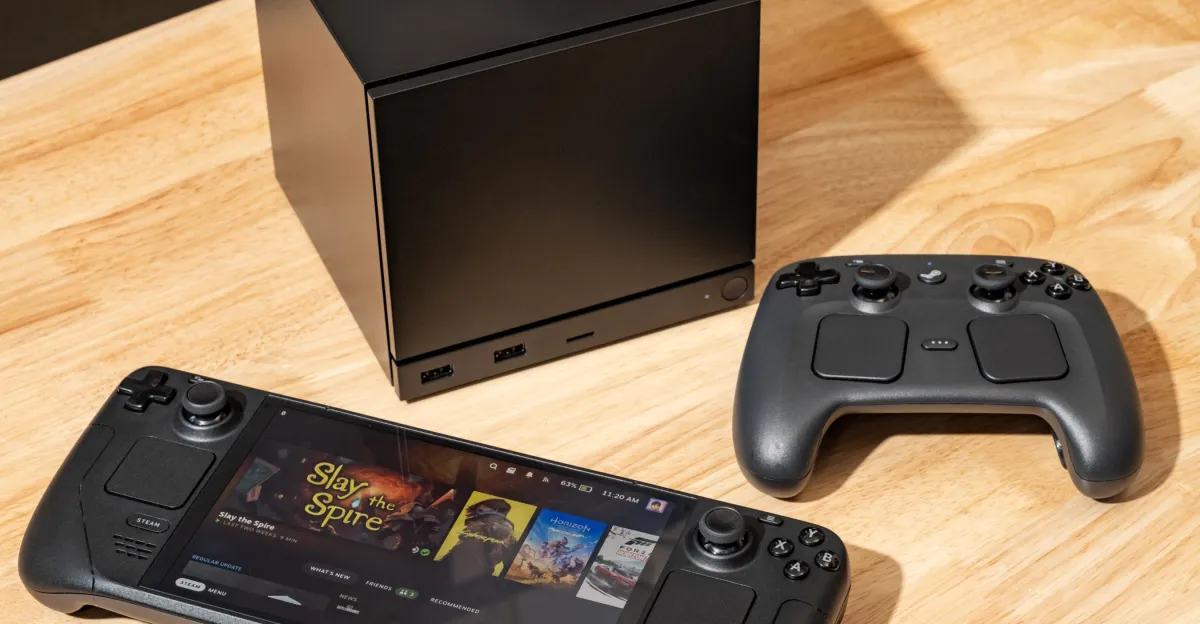
- Valve's Steam Machine costs $1,049-$1,349, roughly $240-$300 more than originally planned due to RAM shortages
- Memory suppliers give Valve monthly take-it-or-leave-it prices with no long-term contracts
- Three companies control the DRAM market, leaving hardware makers with minimal negotiating power
Valve's new Steam Machine costs $1,049 for the base 512GB model, and the reason is simple: memory suppliers dictate terms, not the other way around. In an interview with Gamers Nexus, Valve engineer Pierre-Loup Griffais described negotiations that barely qualify as negotiations at all.
“Look, there's no contracts. There's nothing. Those guys… they give us a price every month or something and they say, 'you can buy that many,' and it's yes or no. And if we say no, then they never talk to us again.”
— Pierre-Loup Griffais, Valve
That's the reality of sourcing DRAM in 2026. Samsung, Micron, and SK Hynix control roughly 95% of the global memory market. When supply tightens, they set the price. Hardware companies buy at that price or lose access entirely.
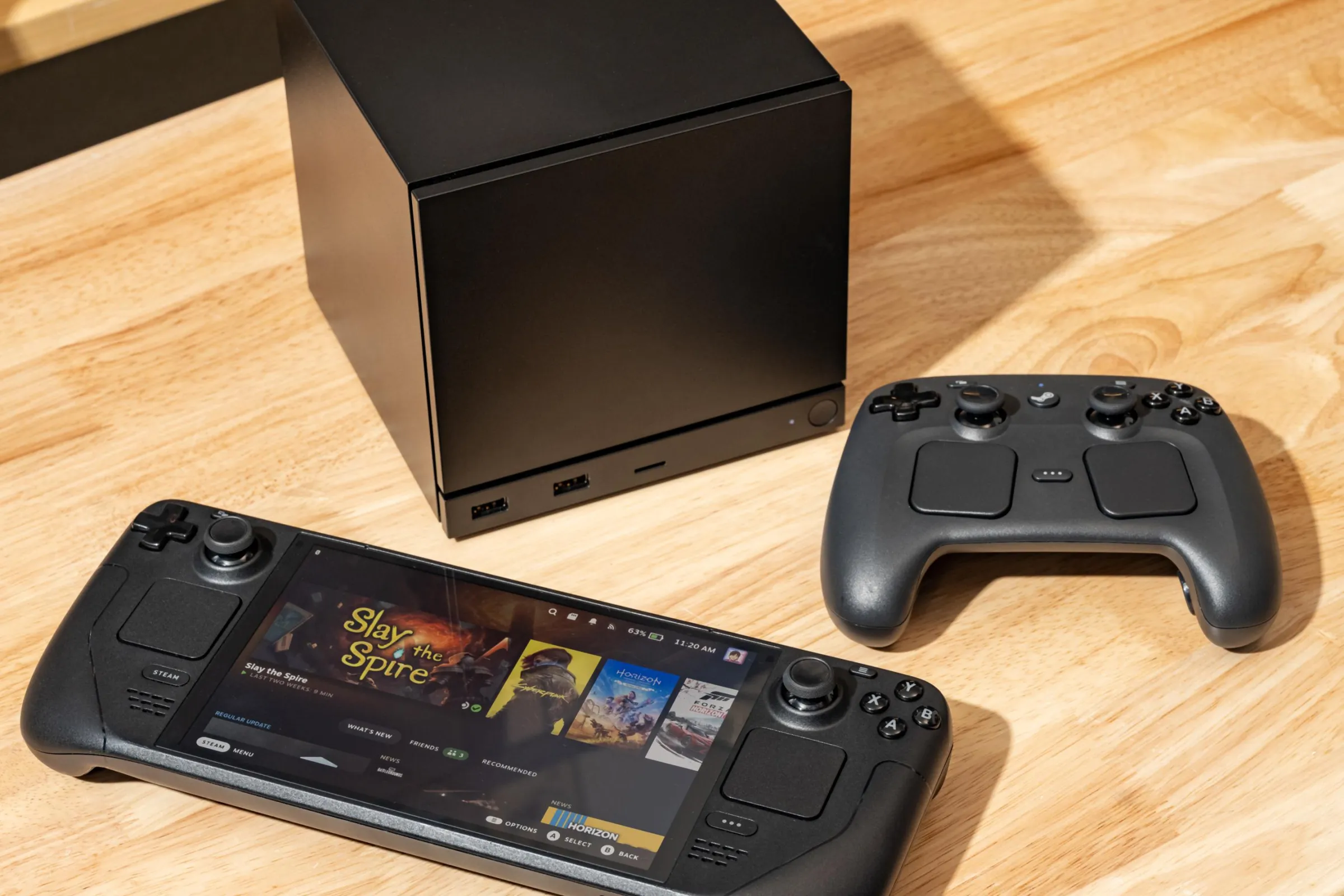
How much did RAM shortages add to the Steam Machine price?
Valve hasn't disclosed its original target price, but we can work backward. The company recently raised Steam Deck OLED prices by $240 for the 512GB version and $300 for the 1TB model, citing the same component crisis. In an Aftermath interview, Valve suggested those increases "should give you a ballpark estimate" of how much the Steam Machine's target moved.
Subtract those figures from today's prices and you get a rough original target: $809 for 512GB, $1,049 for 2TB. Still expensive, but considerably easier to justify for a dedicated gaming PC.
The final prices, $1,049 and $1,349, don't include controllers. Valve isn't subsidizing hardware to make up the difference. Buyers pay full cost.
Why can't Valve negotiate better deals?
Because the suppliers don't need Valve. The DRAM oligopoly serves data centers, smartphone manufacturers, and PC OEMs with orders that dwarf Valve's volumes. A company building a niche gaming device simply doesn't move the needle for Samsung or SK Hynix.
Traditional hardware economics assume you can lock in component prices with long-term contracts, hedge against shortages, and plan production costs months in advance. Griffais's comments reveal that none of those tools are available. Valve receives a monthly price. It accepts or it walks.
This dynamic isn't unique to Valve. Apple CEO Tim Cook has warned of incoming price hikes for iPhones and Macs. Every hardware company faces the same squeeze. The difference is scale. Apple ships hundreds of millions of devices annually, giving it some leverage. Valve ships perhaps a few million Steam Decks per year. The Steam Machine will likely ship fewer.
Single-channel RAM: a shortage compromise
Valve originally planned to ship Steam Machines with either one 16GB stick or two 8GB sticks, depending on available supply. Dual-channel memory delivers measurably better bandwidth, which matters for gaming performance. But securing enough matched pairs proved difficult.
Valve engineer Yazan Aldehayyat told Gamers Nexus the company's internal testing found no "measurable difference" in games between single and dual-channel configurations. Gamers Nexus disputed this, noting that "dual channel will objectively perform better than single channel" in their benchmarks.
After Gamers Nexus published its review, Valve clarified: all Steam Machines will ship with a single 16GB stick. The company added that "it's possible that this might change in future builds," leaving the door open if supply improves.
When will RAM prices stabilize?
Not soon. Industry analysts don't see significant relief in 2026. Building new DRAM fabrication capacity takes years, and existing fabs prioritize high-margin products like HBM for AI accelerators over commodity DDR5 for consumer devices.
For hardware buyers, this means planning for continued price volatility. Any major purchase, whether a gaming console, workstation, or server deployment, should factor in the possibility of further increases. The companies that control memory supply have no incentive to change their approach.
Logicity's Take
Valve's candor here is unusual and valuable. Most hardware companies blame "supply chain challenges" and move on. Griffais described exactly how little power even a well-capitalized company has when three suppliers control a critical input. For CTOs planning hardware refreshes or product launches, the lesson is clear: budget for component volatility, not just current spot prices. Companies building hardware products might consider ASUS, Lenovo, or Dell's enterprise programs, which sometimes offer volume pricing protections that smaller buyers can't access directly from memory vendors.
What this means for hardware purchasing decisions
If you're evaluating the Steam Machine against alternatives like the ROG Ally X or Lenovo Legion Go, the calculus is straightforward: all of them face the same component costs. Valve's transparency about pricing pressure suggests the competition isn't hiding massive margins. Everyone is paying the same inflated rates.
For enterprise buyers, the dynamic is similar. Server memory, workstation RAM, and even cloud instance pricing all trace back to the same three suppliers. Negotiating power depends almost entirely on volume. If you're not buying millions of units, you're taking the monthly price or walking away.
Frequently Asked Questions
Why is the Valve Steam Machine so expensive?
The Steam Machine costs $1,049-$1,349 primarily due to RAM shortages. Valve isn't subsidizing hardware, and memory suppliers offer only monthly take-it-or-leave-it pricing with no long-term contracts.
Who controls the global DRAM supply?
Samsung, SK Hynix, and Micron control approximately 95% of the global DRAM market, giving them significant pricing power over hardware manufacturers.
Will Steam Machine prices drop when RAM supply improves?
Valve hasn't committed to price reductions. The company noted that RAM configurations "might change in future builds" if supply improves, but pricing remains uncertain.
Does the Steam Machine use single or dual-channel RAM?
All current Steam Machines ship with a single 16GB RAM stick. Valve claims gaming performance is unaffected, though benchmarks from Gamers Nexus suggest dual-channel would perform better.
How much did RAM shortages add to Steam Machine pricing?
Based on Steam Deck OLED price increases, the shortage likely added $240-$300 per unit compared to Valve's original target pricing.
Need Help Implementing This?
Whether you're navigating hardware procurement during the component crisis or evaluating build-versus-buy decisions for your tech stack, Logicity can connect you with experts who understand today's supply chain realities. Contact us for vendor introductions and strategic guidance.
Manaal Khan
Tech & Innovation Writer
Produced with AI assistance and reviewed by the Logicity editorial team. Learn more in our Editorial Policy.




