Key Takeaways
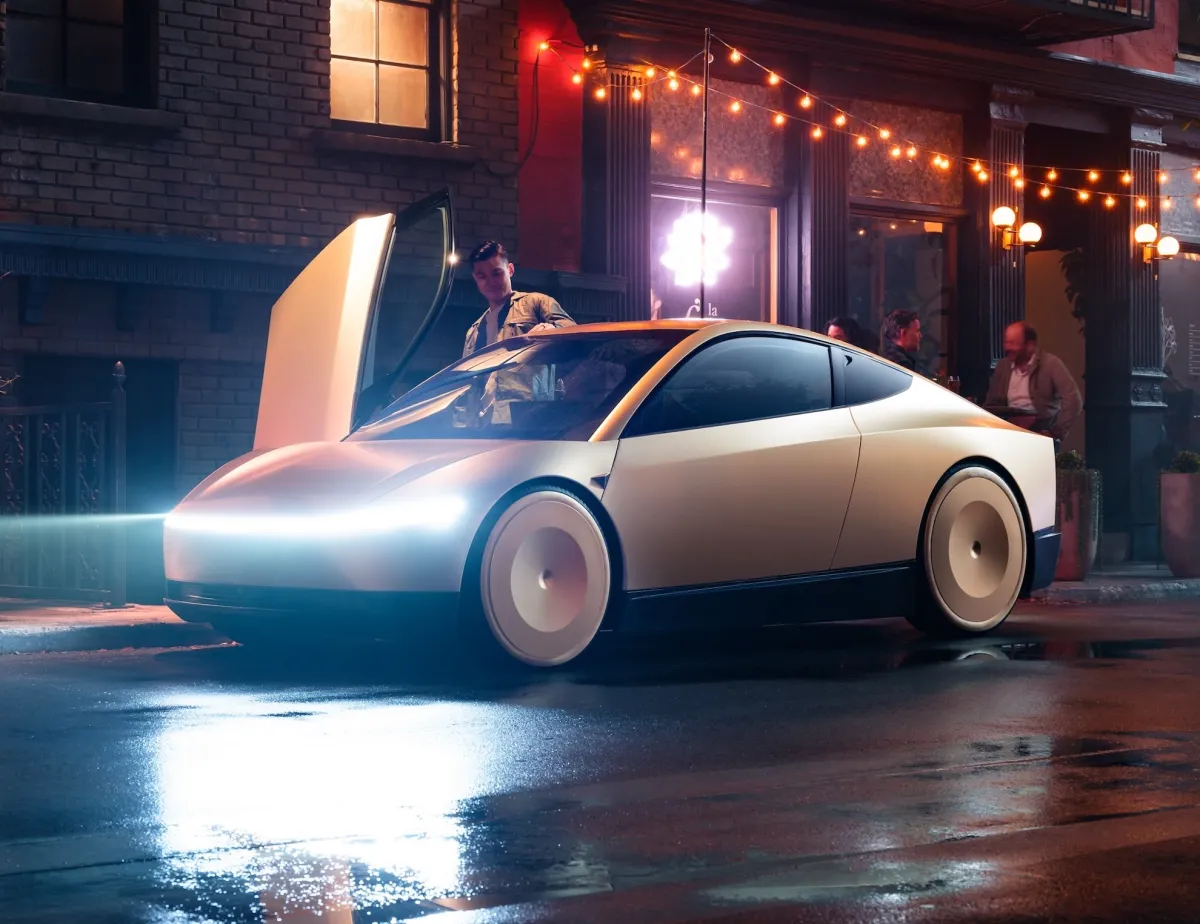
- The DOT proposal would eliminate the brake pedal requirement for vehicles designed exclusively for automated driving systems
- Tesla's Cybercab and Amazon's Zoox robotaxi stand to benefit most, as neither vehicle includes traditional controls
- The public has 30 days to comment before the DOT decides whether to finalize the rule change
The Trump administration's Department of Transportation has proposed eliminating the federal requirement that cars include brake pedals, but only for vehicles designed exclusively for autonomous driving. The rule change would clear a major regulatory obstacle for Tesla's Cybercab and Amazon-owned Zoox, both of which are building robotaxis without steering wheels or pedals.
A 30-day public comment period opens now. After that, the DOT will decide whether to approve the changes to Federal Motor Vehicle Safety Standards.
What the proposed rule actually changes
Current FMVSS rules assume a human driver. Brake pedals, steering wheels, windshield wipers, and dozens of other components are mandatory. Any company building an autonomous vehicle without these parts must apply for a federal exemption. Even with approval, regulators cap how many exempted vehicles can operate on public roads.
The new proposal removes the brake pedal requirement entirely for a specific class: vehicles designed from the start to be driven only by software, with no human controls at all. NHTSA Administrator Jonathan Morrison framed it as clearing "pointless barriers to innovative designs" while keeping safety requirements that "matter."
“We are at the cusp of the greatest technological revolution in vehicle technology since the innovation of the Model T. If we want America to lead the way, we have to reimagine our regulatory framework.”
— Jonathan Morrison, NHTSA Administrator
Why Tesla and Zoox benefit most
Tesla's Cybercab is a two-seat vehicle with no steering wheel and no pedals. The company unveiled it as a purpose-built robotaxi and has never applied for an FMVSS exemption. CEO Elon Musk has said Tesla would simply wait for regulations to change before deploying it nationwide. In the meantime, Tesla has been running a small robotaxi service in Austin using modified vehicles with safety drivers, though it has steadily removed those drivers and now operates some trips "unsupervised."
Zoox took a different path. Amazon's AV subsidiary applied for and received an FMVSS exemption last year to demonstrate its purpose-built robotaxi. It has since applied for a second exemption to operate commercially and is still waiting on approval. If the DOT finalizes the new rule, Zoox could skip the exemption process entirely for future deployments.
Companies like Waymo face less pressure here. Waymo uses retrofitted Jaguar I-Pace vehicles that retain standard controls, so existing FMVSS rules do not restrict its fleet size.
This builds on Biden-era changes
The brake pedal proposal is not the first loosening of AV rules. During the Biden administration, NHTSA finalized a rule allowing autonomous vehicles to operate without steering wheels. The Trump DOT has moved faster. Late last year, NHTSA proposed removing requirements around windshield wiping and defogging systems, plus tire placards.
Taken together, the pattern is clear: federal regulators are rewriting decades-old safety standards to accommodate vehicles that have no human driver at all. The question is whether safety oversight can keep pace.
The safety question that remains open
Removing brake pedal requirements for purpose-built AVs sounds reasonable. If the vehicle has no human controls, a brake pedal serves no function. But the underlying assumption is that the AV's software can handle every situation a human driver would. Tesla has disclosed to NHTSA that it uses teleoperators to monitor its Austin robotaxis and, in rare cases, move vehicles remotely at low speeds after crashes or to avoid obstacles.
That admission raises a question the proposed rule does not answer: if software can fail, and remote operators can only move vehicles at low speeds, what happens in scenarios that require immediate braking?
Logicity's Take
The regulatory change makes logical sense for vehicles designed without any human controls. But the timing benefits Tesla disproportionately. The company has never sought an exemption, betting instead on rule changes. That bet is now paying off. Watch the 30-day comment period closely. Safety advocates will push back, and the final rule may include performance requirements that are harder to meet than the current exemption process.
Frequently Asked Questions
Does this rule apply to all self-driving cars?
No. It applies only to vehicles designed exclusively for automated driving systems, with no human controls. Cars like Waymo's Jaguar I-Pace, which retain steering wheels and pedals, are unaffected.
When would the rule take effect?
The DOT will review public comments over the next 30 days before deciding whether to finalize the changes. If approved, implementation timing has not been specified.
Can Tesla deploy Cybercabs immediately if this passes?
Not necessarily. Tesla would still need to meet other federal and state regulations, and individual states may have their own AV permit requirements.
What safety requirements remain for AVs?
The DOT says it is "strengthening fundamental safety requirements" and holding AV developers accountable for safe performance, but has not detailed what those requirements are.
Need Help Implementing This?
If you're building autonomous vehicle technology or navigating AV compliance, Logicity's consulting network can connect you with regulatory experts and engineering partners. Reach out through our contact page.
Source: TechCrunch / Sean O'Kane
Huma Shazia
Senior AI & Tech Writer
Produced with AI assistance and reviewed by the Logicity editorial team. Learn more in our Editorial Policy.




