Key Takeaways
- Polestar cannot sell model year 2027 or later vehicles in the US due to Commerce Department ruling
- The ban stems from a Biden-era rule targeting connected vehicles with Chinese ownership links
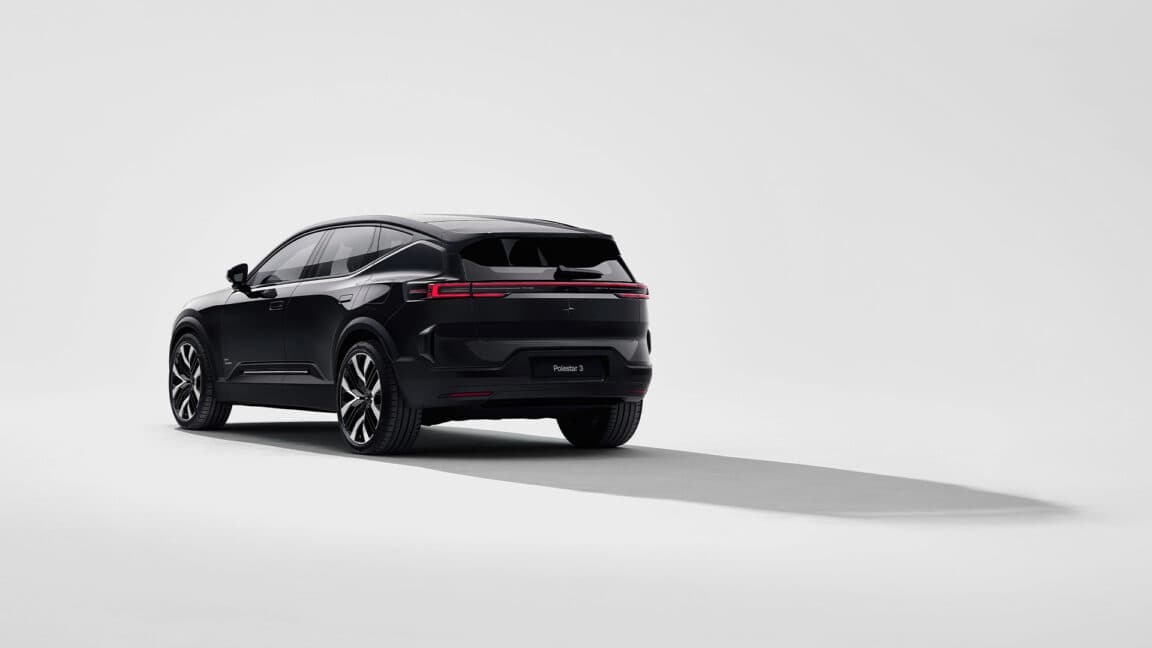
- Polestar 3 is built in South Carolina, but the company's majority Chinese ownership triggered the restriction
The US Commerce Department has denied Polestar authorization to import vehicles from model year 2027 onward, effectively ending the Swedish-Chinese EV brand's future in the American market. The decision, announced by Polestar on June 3, 2026, stems from a rule banning connected vehicles from automakers with Chinese ownership links.
Polestar will sell its remaining inventory of Polestar 3 and Polestar 4 SUVs and maintain service support for existing customers. But the Polestar 5 sedan, Polestar 6 roadster, and any future models will not reach American buyers.
Why was Polestar banned while Volvo was approved?
Both Polestar and Volvo share the same corporate parent: Zhejiang Geely Holding, a Chinese company that owns roughly 78% of Polestar. Yet weeks ago, Commerce authorized Volvo to import model year 2027 vehicles. The difference in treatment remains unclear, but Polestar confirmed it had been working with US authorities to meet regulatory requirements. That effort failed.
The irony is not lost on the industry. The Polestar 3 SUV is manufactured at Volvo's plant near Charleston, South Carolina. American workers build the car on American soil. But majority Chinese ownership, not manufacturing location, determines compliance with the connected vehicle rule.
What rule is blocking Polestar?
The ban traces back to a Biden administration Commerce Department rule issued in October 2024. It prohibits vehicles with connected technology from companies with "sufficient Chinese or Russian links." The rule targets Vehicle Connectivity Systems and Automated Driving Systems over concerns that foreign-linked vehicles could transmit sensitive data or be remotely manipulated.
Software restrictions kick in for model year 2027. Hardware restrictions follow in model year 2030. Polestar, despite its Gothenburg headquarters and Swedish brand identity, falls under the rule because Geely holds the controlling stake. Geely's portfolio also includes Volvo Cars, Lotus, Lynk & Co, and Zeekr.
How is Polestar responding?
CEO Michael Lohscheller framed the exit as a strategic pivot rather than a defeat. "The automotive industry is entering a new phase, based on regional dynamics. Our strategy reflects that, with Europe being our largest growth engine and our plan to manufacture Polestar 7 in Europe," he said.
Polestar claims record sales in 2025 and Q1 2026. The company plans to expand in Southeast Asia, Eastern Europe, Latin America, and Canada. The US market, which accounted for an estimated 15-18% of Polestar's global sales, will simply be written off.
What does this mean for US EV buyers?
Polestar was never a volume player in America. Global deliveries hit about 54,600 vehicles in 2023, with revenue around $1.3 billion. But the brand offered a design-forward alternative to Tesla, Rivian, and legacy automaker EVs. The Polestar 2 was the only car to earn a Top Safety Pick+ rating in the compact EV segment for 2024.
Polestar vehicles were already ineligible for the $7,500 federal EV tax credit due to Chinese battery sourcing. That disadvantage made the cars harder to sell against competitors qualifying for the full credit. The import ban removes Polestar from the competitive equation entirely.
US domestic auto manufacturing interests have successfully rallied bipartisan support for protectionist measures. The connected vehicle rule targets national security, but it also shields American and allied automakers from Chinese competition in the EV transition.
Frequently Asked Questions
Can I still buy a Polestar in the US?
Yes, Polestar will sell existing inventory of Polestar 3 and Polestar 4 SUVs. Service support continues for current owners. But no model year 2027 or later vehicles will be available.
Why is Polestar banned but Volvo is not?
Both are owned by Chinese company Geely, but Commerce authorized Volvo for MY27 imports weeks before denying Polestar. The specific compliance differences have not been publicly disclosed.
Is the Polestar 3 made in America?
Yes, the Polestar 3 is manufactured at Volvo's plant near Charleston, South Carolina. However, manufacturing location does not determine compliance with the connected vehicle rule. Ownership does.
Will other Chinese-linked car brands be banned?
The Commerce Department rule applies to any automaker with sufficient Chinese or Russian links. Brands like Zeekr, Lynk & Co, and others with Chinese ownership would face similar restrictions for model year 2027 and beyond.
Logicity's Take
This decision signals that connected vehicle regulations will be enforced on ownership structure, not manufacturing location. Companies building US production facilities to avoid tariffs will find that strategy insufficient if parent companies remain Chinese-owned. For fleet managers and enterprise buyers evaluating EV options, this reduces choices. Polestar competed on design and build quality against Tesla Model Y, BMW iX, and Mercedes EQE SUV in the $60,000-$80,000 range. Those alternatives remain, but one fewer vendor means less negotiating leverage on enterprise deals.
Need Help Implementing This?
If your organization is navigating EV fleet procurement or assessing regulatory risks for connected vehicle technology, contact us at Logicity for strategic guidance on vendor selection and compliance planning.
Source: Ars Technica
Huma Shazia
Senior AI & Tech Writer
Produced with AI assistance and reviewed by the Logicity editorial team. Learn more in our Editorial Policy.




