Key Takeaways
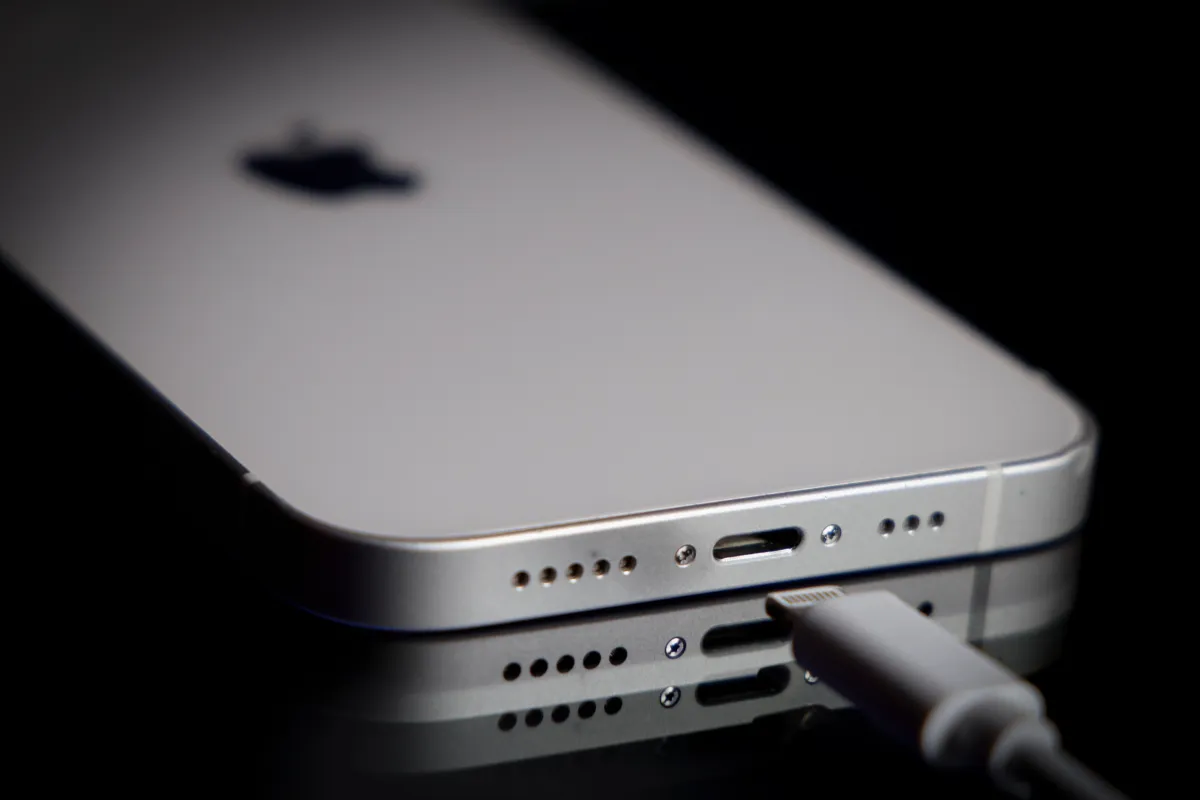
- The usbliter8 exploit targets Boot ROM code burned into A12 and A13 chips, making it impossible to patch via software updates
- Affected devices include iPhone XS, XR, and iPhone 11 models released in 2018-2019
- Physical access to the device is required, limiting the exploit's threat to seized phones or targeted attacks
A Barcelona-based spyware company has dropped a bombshell on iPhone security: a hardware-level vulnerability in Apple's A12 and A13 chips that the company cannot fix. The flaw, dubbed usbliter8, affects iPhones from the XS and XR through the iPhone 11, and because it lives in read-only memory burned into the chip during manufacturing, no software update will ever close it.
Paradigm Shift, which sells offensive hacking tools to government agencies, published both the technical details and a working proof of concept on Friday. The disclosure hands security researchers and government contractors a building block they can chain with other exploits to break into older iPhones.
Why the Boot ROM matters
The Boot ROM is the first code that runs when you press the power button. It verifies that everything loading after it is legitimate Apple software. Compromise the Boot ROM, and you can undermine every security check that follows.
That is exactly what usbliter8 does. An attacker with physical access, meaning the ability to plug a cable into the phone, can exploit the flaw to bypass Apple's chain of trust. From there, additional exploits could unlock user data or install persistent modifications to iOS.
Paradigm Shift put it bluntly in its blog post: "As these vulnerabilities reside in immutable code, affected users should be aware that migrating to newer hardware remains the most effective mitigation." Translation: buy a new phone.
Which iPhones are at risk?
The exploit targets devices running Apple's A12 and A13 Bionic chips, both released between 2018 and 2019. That includes:
- iPhone XS and XS Max
- iPhone XR
- iPhone 11, 11 Pro, and 11 Pro Max
Newer chips, A14 and later, appear unaffected. Apple has not commented publicly on the disclosure, and Paradigm Shift did not respond to questions from TechCrunch.
Echoes of checkm8
This is not the first permanent iPhone exploit. In 2019, security researcher axi0mX released checkm8, a similar Boot ROM vulnerability affecting iPhones from the 4S through the X, spanning chips A5 through A11. That exploit spawned the checkra1n jailbreak and gave forensic companies like Cellebrite and Magnet Forensics reliable entry points into seized devices.
Usbliter8 extends that timeline forward by two chip generations. For law enforcement and intelligence contractors, it fills a gap. For users still carrying an iPhone 11, it means the device will never be as secure as Apple intended.
Does this mean anyone can hack my iPhone?
Not quite. The exploit requires physical access and a cable connection. Remote attacks are not possible with usbliter8 alone. It also requires chaining with other vulnerabilities to actually extract user data, and those secondary exploits are not public.
The real threat is targeted: a phone seized at a border crossing, confiscated by law enforcement, or stolen by a sophisticated attacker. For the average user who keeps their device in their pocket, the risk is low. For journalists, activists, or executives in high-risk environments, the calculus changes.
Why Paradigm Shift published
The company's motivations are unclear. Publishing an exploit erodes its commercial value, since competitors and researchers can now build on the work. One possibility: the affected chips are old enough that Paradigm Shift's government clients have already moved on to newer targets, making the disclosure a marketing move that demonstrates capability without sacrificing active business.
It also raises questions about the spyware industry's relationship with public security research. Firms like Paradigm Shift, Cellebrite, and NSO Group operate in a gray zone, selling tools that can be used for legitimate law enforcement or authoritarian surveillance. Public disclosures like this one blur the line between security research and commercial advertising.
What happens next
Jailbreaking communities will likely build on usbliter8 to create tools for the affected devices. For researchers, the exploit provides a foundation for studying iOS internals on hardware where Apple has lost control. For Apple, there is nothing to do. The flaw is baked into silicon that shipped years ago.
The broader lesson is one the security community already knows: hardware is the last line of defense, and when it fails, there is no recovery. Apple's response over the past several years has been to harden newer chips with additional mitigations. But every generation of silicon is a bet that the design team found all the bugs before the chips shipped. Usbliter8 proves that bet does not always pay off.
Logicity's Take
The timing here is telling. A12 and A13 devices are roughly six to seven years old, past Apple's typical support window and approaching the point where most users have upgraded. Paradigm Shift likely burned an exploit with diminishing commercial value in exchange for public credibility. For enterprises still deploying older iPhones in kiosks, field operations, or BYOD environments, this is a forced hardware refresh with no workaround.
Frequently Asked Questions
Can Apple patch the usbliter8 vulnerability?
No. The flaw exists in the Boot ROM, which is read-only memory burned into the chip during manufacturing. Only replacing the hardware can mitigate the risk.
Is my iPhone 12 or newer affected?
Based on the disclosure, only A12 and A13 chips are affected. iPhones with A14 or later appear safe from this specific exploit.
Can someone exploit this remotely?
No. Usbliter8 requires physical access to the device and a cable connection. Remote exploitation is not possible with this flaw alone.
What is a Boot ROM exploit?
The Boot ROM is the first code that runs when an iPhone powers on. Exploiting it allows attackers to bypass Apple's chain of trust and potentially defeat all subsequent security checks.
Need Help Implementing This?
If your organization is assessing mobile device security or planning hardware refresh cycles, Logicity's team can help you evaluate risk and build a transition plan. Contact us for a consultation.
Source: TechCrunch / Lorenzo Franceschi-Bicchierai
Manaal Khan
Tech & Innovation Writer
Produced with AI assistance and reviewed by the Logicity editorial team. Learn more in our Editorial Policy.




