Key Takeaways
- UCSD researchers will repurpose 2,000 Google Pixel phones into a functional cloud computing cluster
- The project strips phones to motherboards, runs Linux via Kubernetes to bypass Android limitations
- Google is backing the initiative, which aims to serve university grading and research applications
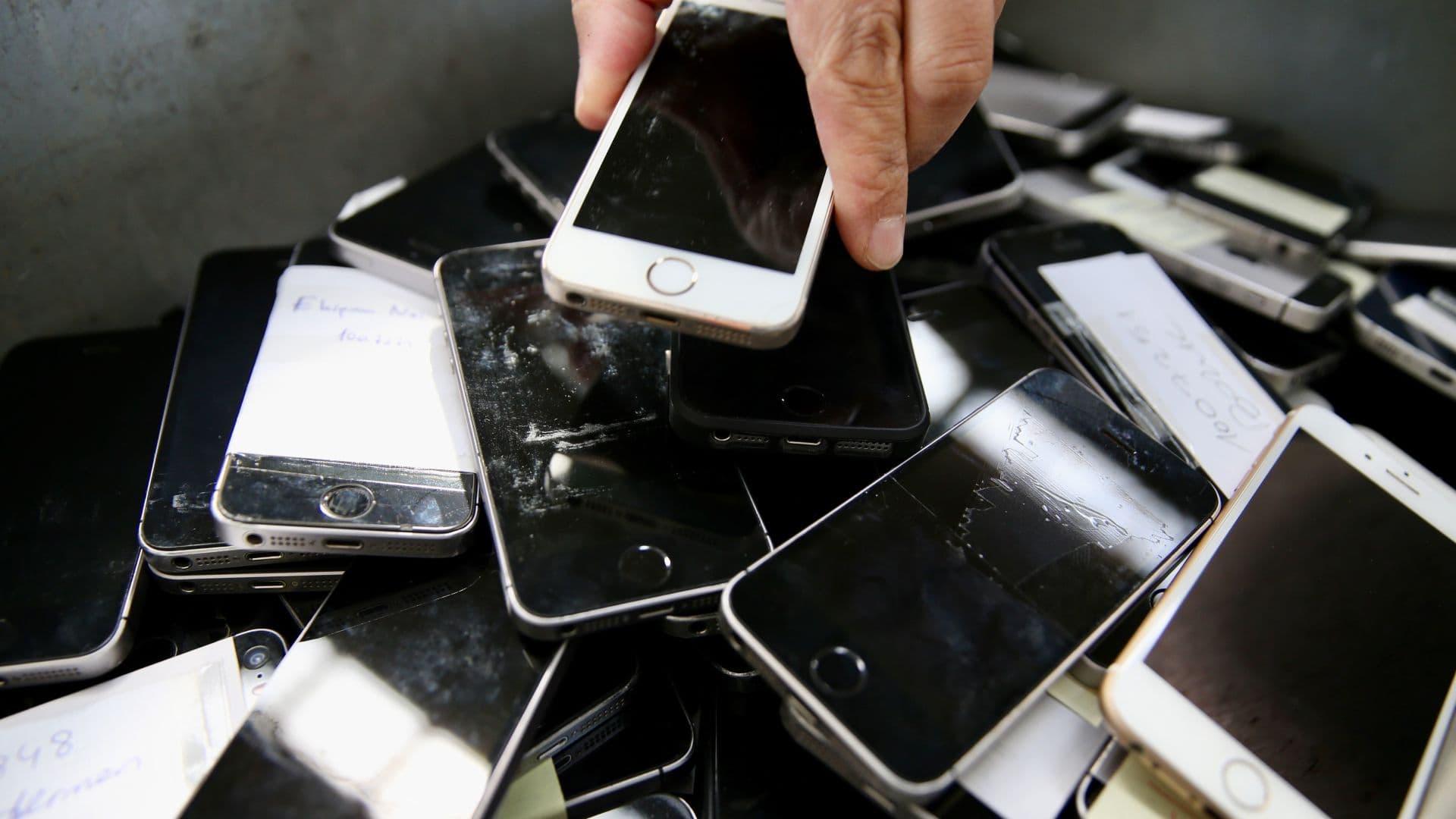
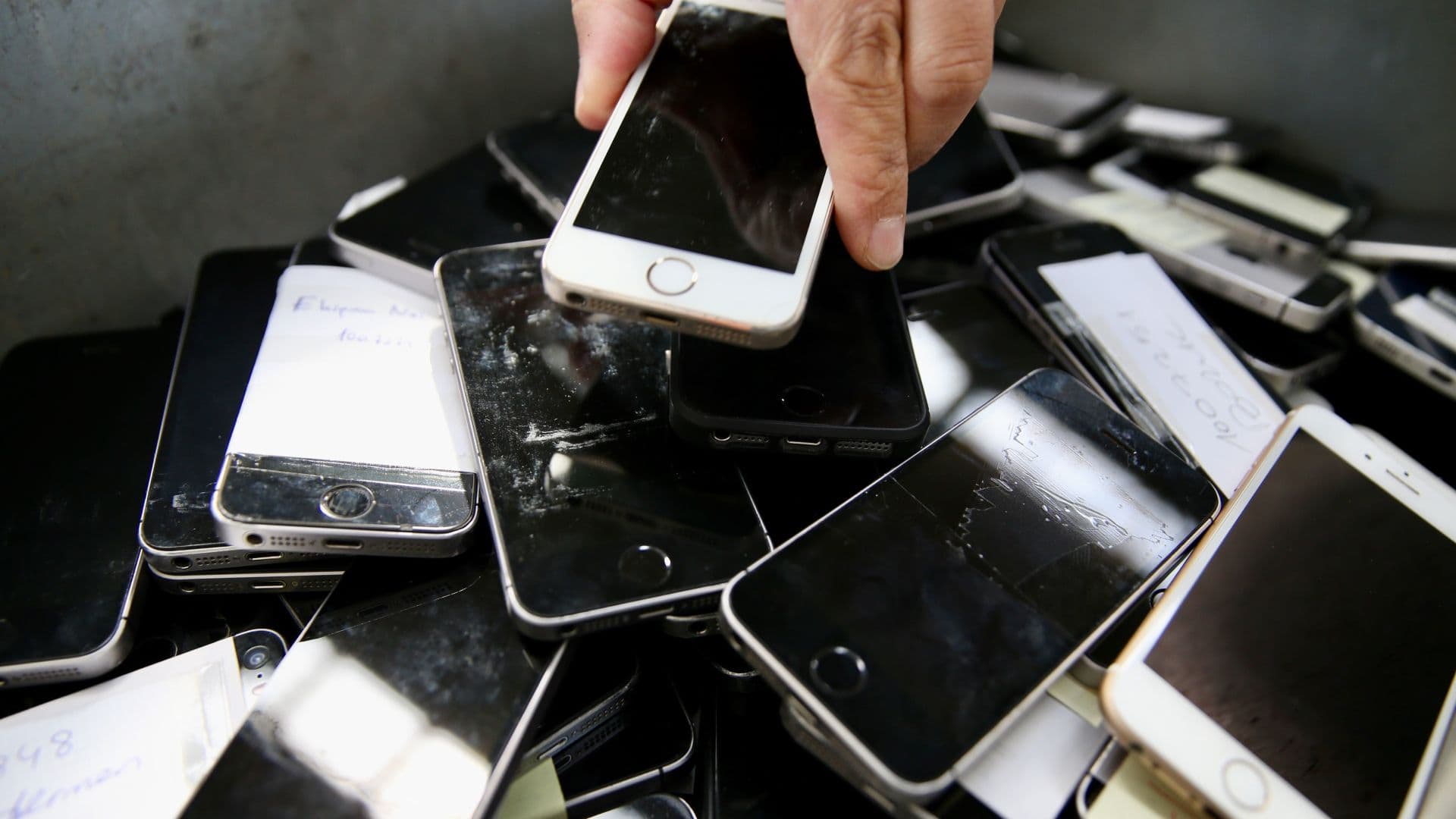
Researchers at the University of California, San Diego are building a low-carbon data center from 2,000 retired Google Pixel smartphones. The project, backed by Google Research, strips the phones down to their motherboards and chains them together into a cloud computing cluster for university use. It's an unusual solution to two problems at once: e-waste and the carbon footprint of new server hardware.
The logic is straightforward. People replace their smartphones every four years on average. Most of those devices still have capable processors, memory, and storage. Instead of letting that silicon rot in landfills, the UCSD team wants to put it to work.
How does a smartphone data center actually work?
The first step is gutting the phones. Batteries and displays get removed. They're inefficient or hazardous when deployed at scale. What remains is the motherboard and attached chips, which represent the highest "embodied carbon" of all components.
The stripped motherboards run a Linux distribution, bypassing Android entirely. Android's memory-saving features and consumer-oriented design make it unsuitable for server workloads. Kubernetes, the open-source container orchestration system, manages the cluster and distributes tasks across the phones.
According to Google Research, the single-threaded performance of a modern smartphone processor matches or exceeds many multicore server chips. The catch is scale: a typical older smartphone has 8-12 GB of RAM and a handful of cores. Traditional servers pack dozens of multithreaded cores with far more memory. The UCSD approach compensates by sheer numbers.
What will the cluster be used for?
The 2,000-phone deployment targets relatively lightweight applications: automated grading systems and research workloads within the university's existing software infrastructure.
Early tests are promising. A 20-phone pilot cluster already handles peak submission rates for a class of 75+ students, with grading latencies below AWS backend defaults. The researchers estimate the full 2,000-phone cluster will support a hundred such classes simultaneously.
“The goal is to repurpose consumer electronics that are otherwise headed to a landfill to create a high-performance, low-carbon computing facility.”
— Lead Researcher, University of California, San Diego
Can recycled phones really compete with enterprise servers?
The project has sparked debate across tech communities. On Reddit's r/hardware and r/technology, enthusiasts have pointed out the "embodied carbon" argument: reusing existing silicon is often more sustainable than deploying brand-new "green" servers, even efficient ones. The carbon cost of manufacturing a chip already happened. Using it longer amortizes that cost.
Skeptics raise reliability concerns. Consumer-grade mobile SoCs weren't designed for 24/7 server duty. Enterprise hardware goes through different testing and quality control. The UCSD researchers haven't published long-term reliability data yet.
There's also the question of thermal management. Smartphones dissipate heat through their cases and screens. Strip those away, and you need a different cooling solution for a 2,000-unit rack.

Why Google is involved
Google Research is supporting the project, though the exact nature of that support isn't detailed in the blog post. The company manufactures the Pixel line, so it has obvious interest in demonstrating second-life applications for its hardware. It also operates some of the world's largest data centers and faces ongoing scrutiny over their carbon footprint.
This project won't offset Google's own massive data center expansion plans. But it offers a proof of concept: if universities can run meaningful workloads on recycled phones, enterprises might find applications too.
The bigger picture for e-waste
E-waste is a massive environmental problem. The UN estimates that global e-waste reached 62 million metric tons in 2022, and less than a quarter gets formally recycled. Most ends up in landfills or informal recycling operations that extract valuable metals while releasing toxins.
Smartphones are a particularly acute issue. They have short lifecycles and complex construction that makes recycling difficult. Most people have multiple retired phones sitting in drawers. The UCSD project suggests those devices could have a second career.
The approach has limits. Stripping motherboards and configuring Linux-based clusters requires expertise. Not every old phone will be suitable. The project focuses on Pixel devices, presumably because the researchers have access to them and understand their hardware well.
Frequently Asked Questions
How many smartphones does it take to match a traditional server?
According to the research, 25 to 50 smartphones can equal the computing power of one modern dual-socket server, depending on the workload.
What operating system do the recycled phones run?
The phones run a Linux distribution, not Android. Android's consumer-focused features like memory-saving modes make it unsuitable for server deployment.
What is embodied carbon in this context?
Embodied carbon refers to the carbon emissions created during manufacturing. For smartphones, the motherboard and chips represent the highest embodied carbon. Reusing them avoids the emissions from manufacturing replacement hardware.
Will this technology work with phones from other manufacturers?
The UCSD project focuses on Google Pixel phones. Adapting the approach to other devices would require understanding their specific hardware and potentially different Linux configurations.
How does Kubernetes manage the phone cluster?
Kubernetes is an open-source system for orchestrating containerized applications. It distributes tasks across the phone motherboards, treating them as nodes in a larger computing cluster.



Logicity's Take
The UCSD project is clever, but its real value is as a research benchmark, not a production template. For enterprises considering similar approaches, the math on labor costs, thermal management, and reliability still needs work. Where this gets interesting is if phone manufacturers start designing for second-life server deployment from the start. A Pixel built with modular motherboards and standard Linux support could have a 10-year useful lifespan instead of four.
Related coverage of smartphone hardware launches and lifecycle considerations
Enterprise infrastructure expansion and sustainability considerations
Need Help Implementing This?
If your organization is exploring sustainable computing infrastructure or alternative data center designs, Logicity can connect you with experts in green IT strategy. Contact our editorial team for introductions to consultants working on e-waste reduction and carbon-efficient computing.
Source: PCGamer latest
Huma Shazia
Senior AI & Tech Writer
Produced with AI assistance and reviewed by the Logicity editorial team. Learn more in our Editorial Policy.