Key Takeaways
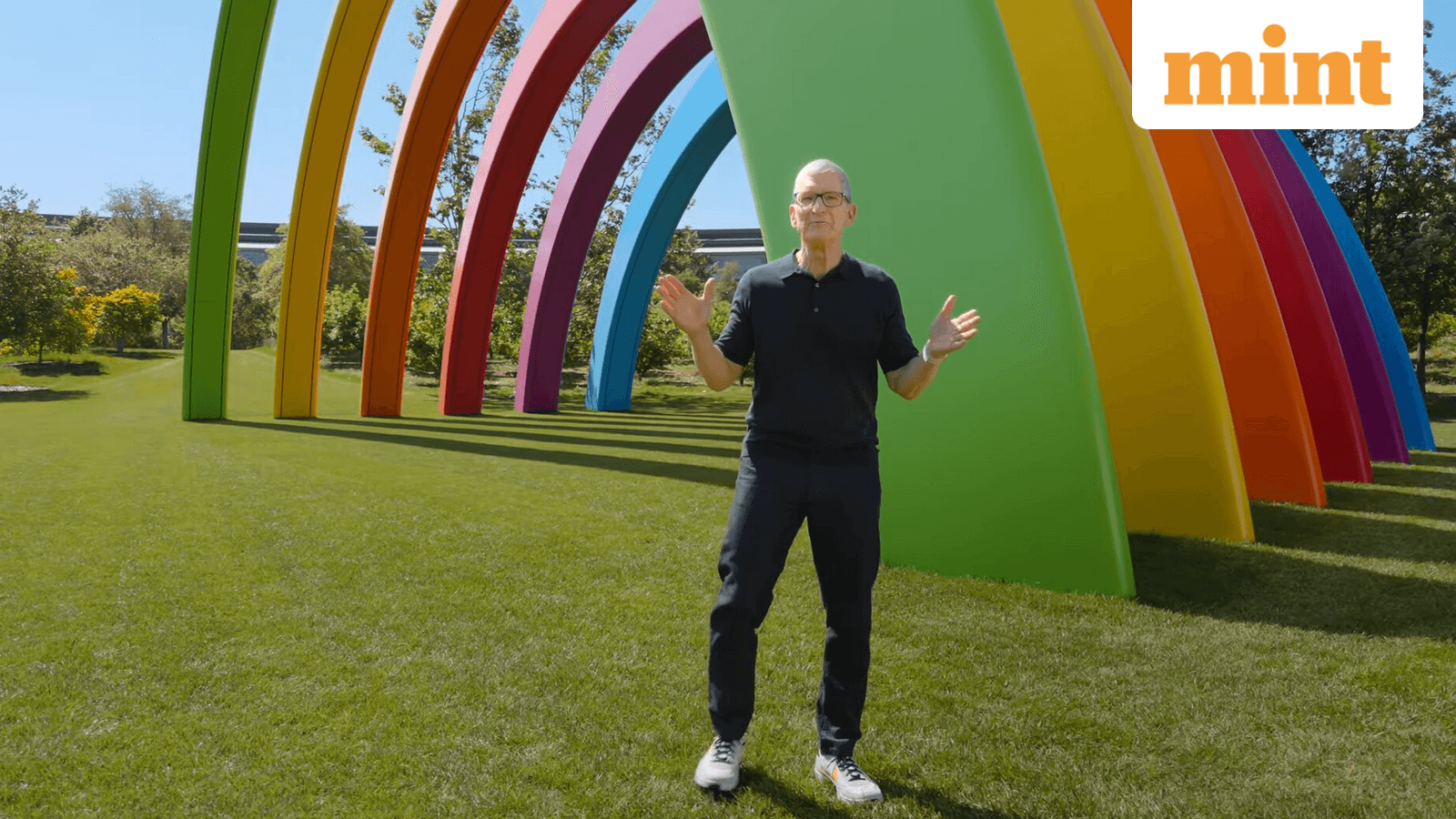
- Tim Cook confirmed Apple will raise product prices to offset soaring memory and storage chip costs
- The iPhone 18 Pro could see a $270 price increase based on current component cost projections
- Memory chip prices have jumped 4x since 2025 due to AI data center demand
Apple will raise prices on its products to offset a fourfold increase in memory and storage chip costs, CEO Tim Cook confirmed in an interview with The Wall Street Journal. Cook called the situation a "hundred-year flood" and said the company can no longer shield customers from component price spikes driven by AI infrastructure demand.
"Unfortunately, price increases are unavoidable," Cook told the Journal. "We're doing our best to mitigate the huge increases that are being passed to us, and we've been trying to shield our customers from the increases, but the situation has become unsustainable."
Cook did not specify timing, scale, or which products would see increases. But Apple's next major launch is the iPhone 18 lineup in September, expected to include a foldable model. Research firm TechInsights estimates that passing current component costs to consumers while maintaining margins could add roughly $270 to the iPhone 18 Pro's price.
Why are Apple prices going up now?
The root cause is straightforward: AI companies are buying enormous quantities of high-bandwidth memory for their data centers. Google, Microsoft, Meta, and Amazon have all announced massive increases to their capital spending budgets since 2025. That demand surge has driven DRAM and NAND prices up 4x, according to TechInsights, which expects prices to keep climbing through 2027.
Cook singled out the DRAM market and the allocation shift toward high-bandwidth memory used in AI servers. "There's less supply at a time when consumers want devices and the memory guys are passing along huge price increases," he said. "We definitely need memory pricing and supply to return to reasonable levels for consumer products. That's the bottom line."
Which Apple products will cost more?
Cook declined to name specific products, but the source indicates Macs and iPads could see price bumps soon. Apple already raised the Mac Mini's starting price last month between launch events. The iPhone 18 lineup, arriving in September, is the most visible candidate for a significant increase.
Memory-intensive configurations will likely feel the squeeze hardest. Higher-storage iPhone Pro and Pro Max models, along with MacBook Pro variants with expanded RAM, use more of the components that have become scarce and expensive.
Could Apple build its own memory chips?
No. Cook made clear Apple has no plans to enter memory or storage manufacturing, despite sitting on substantial cash reserves and having deep chip-design expertise from its custom silicon program. "We know what we're good at," he said.
He did suggest Apple might deploy its balance sheet to help address supply constraints in other ways. "We're willing to use our balance sheet to help be a part of the solution," Cook said. "Obviously, more capacity is needed." He offered no specifics, but this could mean prepaying suppliers, investing in capacity expansion, or securing long-term supply agreements.
What about Chinese memory suppliers?
China has built significant domestic memory and storage manufacturing capacity. But American companies generally need government approvals to engage with Chinese chipmakers due to national security restrictions. Asked whether those restrictions could be loosened, Cook said, "Everything needs to be on the table. I think we should look at all supply."
That comment is notable. Cook has historically avoided political statements, and suggesting the U.S. should consider relaxing chip-related restrictions on China is a departure. It signals how serious Apple considers the supply crunch.
Export restrictions are affecting tech companies beyond hardware manufacturers
How are consumers reacting?
Online discussion reflects frustration. Reddit and HackerNews threads show users pointing out that Apple products already carry premium prices. Many predict the increases will push buyers toward the used market, older models, or longer upgrade cycles.
A key debate: whether Apple will apply increases across the board or limit them to flagship configurations. The latter approach would let Apple maintain entry-level pricing while pushing high-margin customers to absorb the cost increases. Given Apple's historical preference for protecting the iPhone's headline price, that strategy seems plausible.
The leadership transition factor
Cook is set to hand the CEO role to John Ternus on September 1, 2026. That transition coincides with the iPhone 18 launch window. Whether Apple announces price increases before or after Cook's departure is an open question. Announcing them now gives Cook ownership of an unpopular decision; waiting shifts it to Ternus.
Cook spent his career in supply chain management at IBM and Compaq before joining Apple. He built his reputation on operational efficiency and supplier relationships. Calling this a "hundred-year flood" carries weight from someone with that background.
Logicity's Take
The real story here is market power shifting from consumer electronics to AI infrastructure. Apple has always had leverage over suppliers, but that leverage depends on volume. When AI companies are willing to pay any price for memory chips, Apple's iPhone orders become less important to suppliers than Nvidia's server orders. Cook can deploy Apple's cash or lobby for looser China restrictions, but neither fixes the fundamental imbalance. Consumer tech is now competing for components against companies building $100 billion data centers.
Frequently Asked Questions
How much will the iPhone 18 Pro cost?
TechInsights estimates passing current component costs to consumers while maintaining margins could add approximately $270 to the iPhone 18 Pro's price compared to the iPhone 17 Pro.
When will Apple raise prices?
Tim Cook did not provide a timeline. Apple already raised Mac Mini prices last month. The iPhone 18 lineup launches in September 2026 and is likely to reflect higher costs.
Why are memory chip prices increasing?
AI companies are buying massive quantities of high-bandwidth memory for data centers. Since 2025, when Google, Microsoft, Meta, and Amazon expanded AI spending, memory chip prices have jumped 4x.
Will Apple make its own memory chips?
No. Tim Cook explicitly said Apple will not enter memory or storage manufacturing, despite having cash and chip-design capabilities. Apple may use its balance sheet to secure supply through other means.
Who is replacing Tim Cook as Apple CEO?
John Ternus will become Apple CEO on September 1, 2026, coinciding with the iPhone 18 launch window.
Need Help Implementing This?
Logicity helps technology leaders navigate supply chain disruptions and pricing strategy. Contact our team for analysis tailored to your business.
Source: mint / Swati Gandhi
Huma Shazia
Senior AI & Tech Writer
Produced with AI assistance and reviewed by the Logicity editorial team. Learn more in our Editorial Policy.




