Key Takeaways
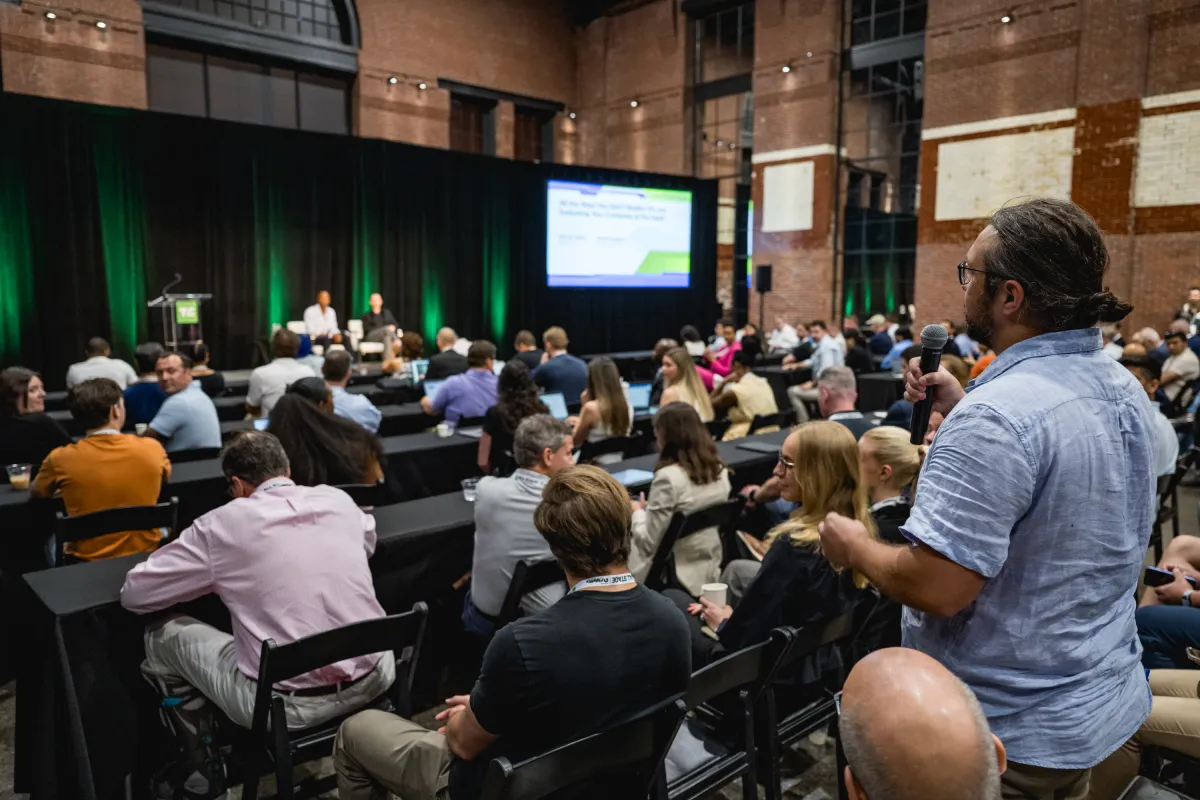
- Early bird pricing for TechCrunch Founder Summit 2026 ends June 26 at 11:59 p.m. PT, offering up to $190 in savings
- The November 4 Boston event expects 1,000+ founders and investors for peer networking and growth-focused sessions
- Groups of four or more can save up to 30% on registration
TechCrunch's annual Founder Summit returns to Boston on November 4, 2026, and early bird pricing expires in four days. Founders who register before June 26 at 11:59 p.m. PT can save up to $190 on passes. Group registrations of four or more qualify for discounts up to 30%.
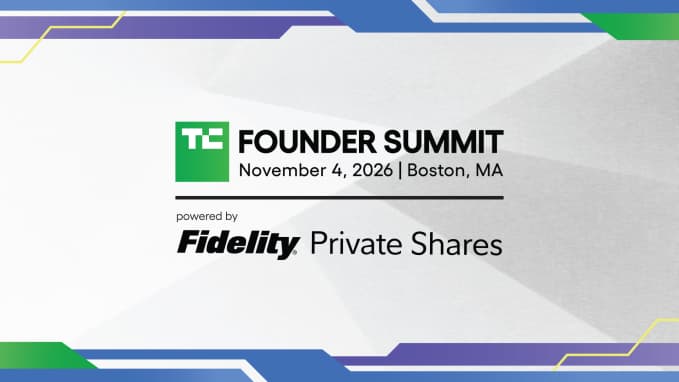
The event targets startup founders at growth stages, not the broader tech audience of TechCrunch Disrupt. Organizers expect more than 1,000 founders and investors to attend the single-day conference, which emphasizes peer-to-peer learning over keynote spectacles.
What does the Founder Summit program cover?
Sessions focus on decisions that shape company trajectories. Past programming has covered raising a Series A, building pitch decks, preparing for Series C and beyond, reaching $10 million ARR, knowing when to sell, and preparing for an IPO.
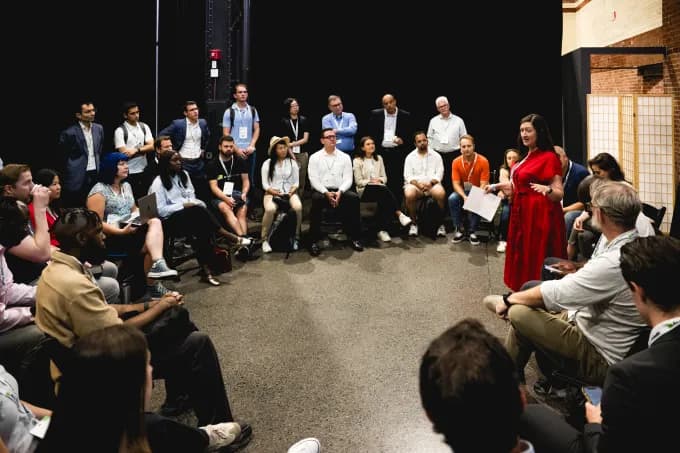
The format mixes breakout sessions with roundtable discussions. TechCrunch positions these as practical, not theoretical. Attendees should walk away with tactics they can apply immediately, not just inspiration.
The 2026 agenda is still taking shape. TechCrunch is accepting topic submissions for breakout and roundtable sessions. Selected topics get voted onto the final agenda by the TechCrunch audience.
Who has spoken at previous Founder Summits?
Past speakers have included Jon McNeill, former Tesla president turned investor, who discussed why reviewing actual products rather than mockups drives innovation. Cathy Gao, partner at Sapphire Ventures, has addressed what founders need to prepare for when heading into Series C. Jahanvi Sardana, partner at Index Ventures, has spoken about what founders should prioritize over total addressable market calculations.
Additional speakers have represented Sequoia Capital, NFX, Underscore VC, Glasswing Ventures, Wing Venture Capital, Construct Capital, Greylock, and Precursor Ventures. The investor presence isn't just for panels. The event positions itself as a place where founders can build relationships with potential backers.
Why Boston for a founder conference?
Boston sits at the center of one of America's densest startup ecosystems. The city and surrounding area host more than 2,000 active startups, and the region has attracted over $30 billion in venture capital investment in recent years. MIT and Harvard feed a steady pipeline of technical and business talent into local companies.
The location gives the event natural draw for biotech, health tech, and deep tech founders concentrated in the region. For West Coast founders, it offers a networking opportunity with East Coast investors and operators they might not encounter at San Francisco-centric events.
How does Founder Summit differ from TechCrunch Disrupt?
TechCrunch Disrupt is the company's flagship event, drawing 10,000+ attendees across founders, investors, media, and tech enthusiasts. Founder Summit is smaller and narrower. The thousand-person cap means more intimate networking. The founder-only positioning filters out the corporate attendees and general tech tourists that populate larger conferences.
The focus on growth-stage challenges also differentiates it. Disrupt often highlights early-stage pitching and product launches. Founder Summit targets founders past the idea stage who are wrestling with scaling revenue, building teams, and preparing for larger funding rounds.
Frequently Asked Questions
When do TechCrunch Founder Summit 2026 early bird tickets expire?
Early bird pricing ends June 26, 2026 at 11:59 p.m. PT. After this deadline, ticket prices increase by up to $190.
Where is TechCrunch Founder Summit 2026 being held?
The event takes place in Boston on November 4, 2026. The specific venue has not been announced in this promotion.
How much can groups save on Founder Summit tickets?
Groups of four or more can save up to 30% on registration through the group discount pricing.
Who should attend TechCrunch Founder Summit?
The event targets startup founders at growth stages, whether raising capital, scaling revenue, hiring teams, or planning major milestones. It's designed for peer-to-peer learning among founders facing similar challenges.
Can founders submit session topics for the 2026 agenda?
Yes, TechCrunch is accepting topic submissions for breakout and roundtable sessions. Selected topics are voted onto the agenda by the TechCrunch audience.
Logicity's Take
The $190 early bird discount sounds compelling, but founders should weigh the full cost against alternatives. A Boston trip in November means flights, hotels, and a day away from the company. The real value here isn't the sessions. You can find fundraising advice anywhere. It's the hallway conversations with 1,000 other founders who might become co-investors, acquirers, or customers. If you're actively raising or expanding your investor network on the East Coast, that access has real dollar value. If you're heads-down building product, the ROI is harder to justify.
Founders tracking tech deals for team gear or personal upgrades
Need Help Implementing This?
Considering which founder events deliver real ROI for your stage? Logicity covers startup strategy, fundraising trends, and tech ecosystem events. Subscribe to our newsletter for analysis on where founders should focus their networking time and budget.
Source: Startups | TechCrunch / TechCrunch Events
Huma Shazia
Senior AI & Tech Writer
Produced with AI assistance and reviewed by the Logicity editorial team. Learn more in our Editorial Policy.




