Key Takeaways
- Side Event applications for TechCrunch Disrupt 2026 close September 4 with no cost to apply
- Events run October 10-16, with evening slots during October 13-15 recommended for best audience engagement
- Expected attendance exceeds 10,000 founders, investors, and tech leaders in San Francisco
TechCrunch Disrupt 2026 is now accepting proposals for Side Events, giving companies and investors the chance to host their own gatherings during the October conference in San Francisco. Applications close September 4, and there's no fee to submit or participate.
The Side Event window runs October 10-16, wrapping around the main conference dates of October 13-15. TechCrunch is pushing evening events during those three conference days, reasoning that fewer competing gatherings means more focused conversations with attendees.
What counts as a Side Event?
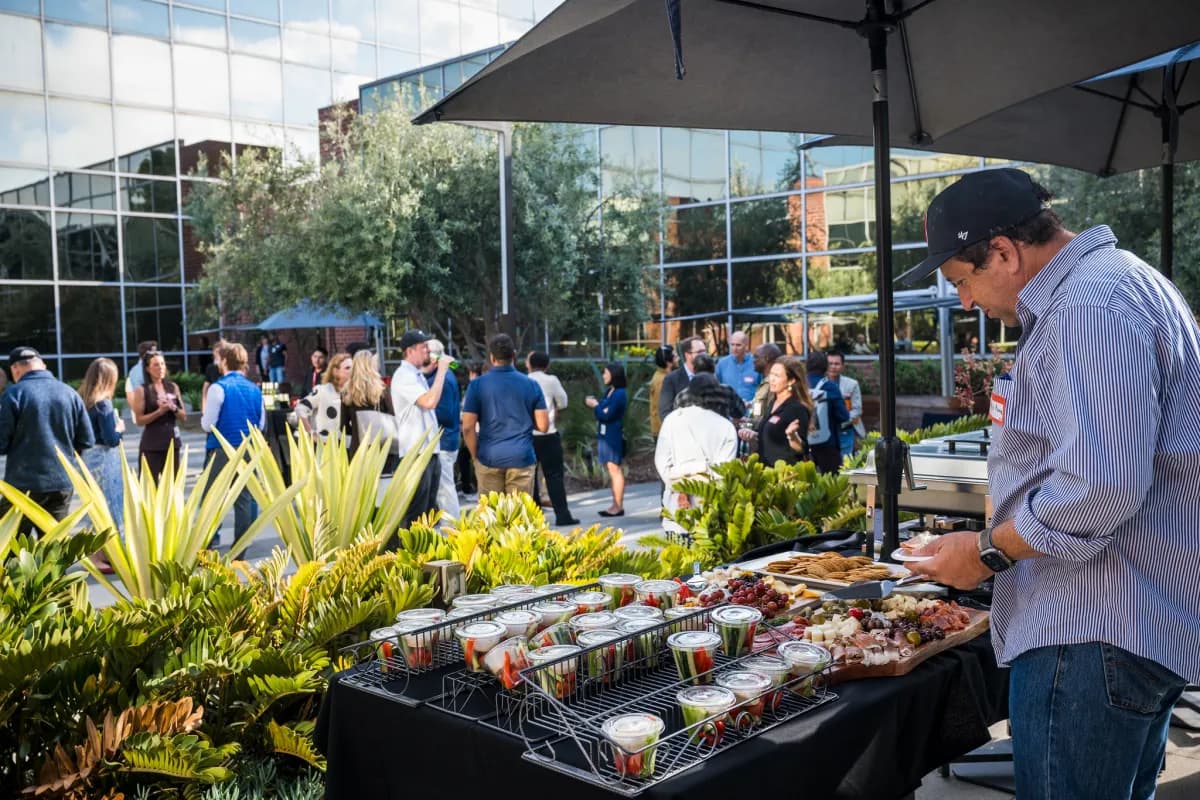
The format is open. VC firms can host office hours. Startups can run product workshops. Community organizers can throw networking dinners or happy hours. TechCrunch asks only that hosts "bring the energy" and align the event with their professional goals. The logistics, support, and promotional exposure come from the Disrupt team.
Side Events have long been where the real work of tech conferences happens. The main stage draws crowds, but the dinners, afterparties, and roundtables are where deals get discussed and partnerships form. For a VC looking to meet founders outside the formal pitch process, or a startup wanting to demo to a handpicked audience, a well-run Side Event can outperform a booth on the expo floor.
Who's showing up in October?
TechCrunch expects over 10,000 attendees. The mix skews toward founders, investors, and industry operators, the audience that made Disrupt's Startup Battlefield a launchpad for companies like Dropbox, Cloudflare, and Mint. That pedigree still draws early-stage startups hoping for their breakout moment, alongside growth-stage companies and the VCs hunting for the next portfolio company.
San Francisco remains the flagship location. While tech conferences have scattered across Austin, Miami, and international hubs, Disrupt keeps its roots in the Bay Area. For companies targeting US enterprise buyers or Silicon Valley investors, that geography still matters.
How to apply
The submission asks for your event vision, goals, and logistical needs. TechCrunch reviews proposals and handles coordination. The September 4 deadline gives hosts roughly three weeks to plan after acceptance, assuming quick turnaround on approvals.
For teams coordinating multiple stakeholders, tools like Notion or Asana can help manage the planning timeline and task assignments. Event promotion across attendee lists often runs through Mailchimp or similar platforms.
Disclosure
Some links in this post are affiliate links — Logicity earns a commission if you sign up, at no extra cost to you. We only link products we have used or actively recommend.
Is a Side Event worth the effort?
That depends on what you're selling. For B2B companies targeting tech buyers, the concentration of decision-makers justifies the overhead. A 50-person dinner with CTOs and engineering leads can generate more qualified pipeline than months of cold outreach. For VCs, it's a sourcing play: meet founders in a relaxed setting before the competition does.
The cost is your time and event budget, not an application fee. But hosting poorly is worse than not hosting at all. A half-empty room or a forgettable happy hour won't build the relationships you're after. The companies that benefit most treat Side Events as seriously as they would a product launch.
Logicity's Take
Side Events are increasingly where real conference value lives. The main stage content ends up on YouTube; the private dinners don't. For startups without brand recognition, co-hosting with a known VC or accelerator can solve the attendance problem. For established companies, the move is to curate aggressively: fewer attendees, higher relevance, better follow-up. The September 4 deadline is tight, so teams should decide within the next two weeks whether they're in.
Frequently Asked Questions
When is TechCrunch Disrupt 2026?
The main conference runs October 13-15, 2026, in San Francisco. Side Events can be held October 10-16.
How much does it cost to host a Side Event at Disrupt?
There's no fee to apply or participate. Hosts cover their own event expenses like venue, food, and promotion.
What's the deadline to apply for a Side Event?
Proposals must be submitted by September 4, 2026.
How many people attend TechCrunch Disrupt?
TechCrunch expects over 10,000 attendees, including founders, investors, and industry leaders.
Need Help Implementing This?
Planning a Side Event or conference activation? Reach out to the Logicity team for vendor recommendations and event marketing strategies.
Source: TechCrunch / TechCrunch Events
Huma Shazia
Senior AI & Tech Writer
Produced with AI assistance and reviewed by the Logicity editorial team. Learn more in our Editorial Policy.




