Key Takeaways
- Tamil Nadu Pollution Control Board dropped its investigation after Tata addressed contamination concerns at the Hosur iPhone components facility
- Independent lab tests confirmed water samples from the plant showed no contamination, contradicting earlier farmer complaints
- The resolution matters for Apple's India manufacturing push, which aims to produce 26% of global iPhones by 2026
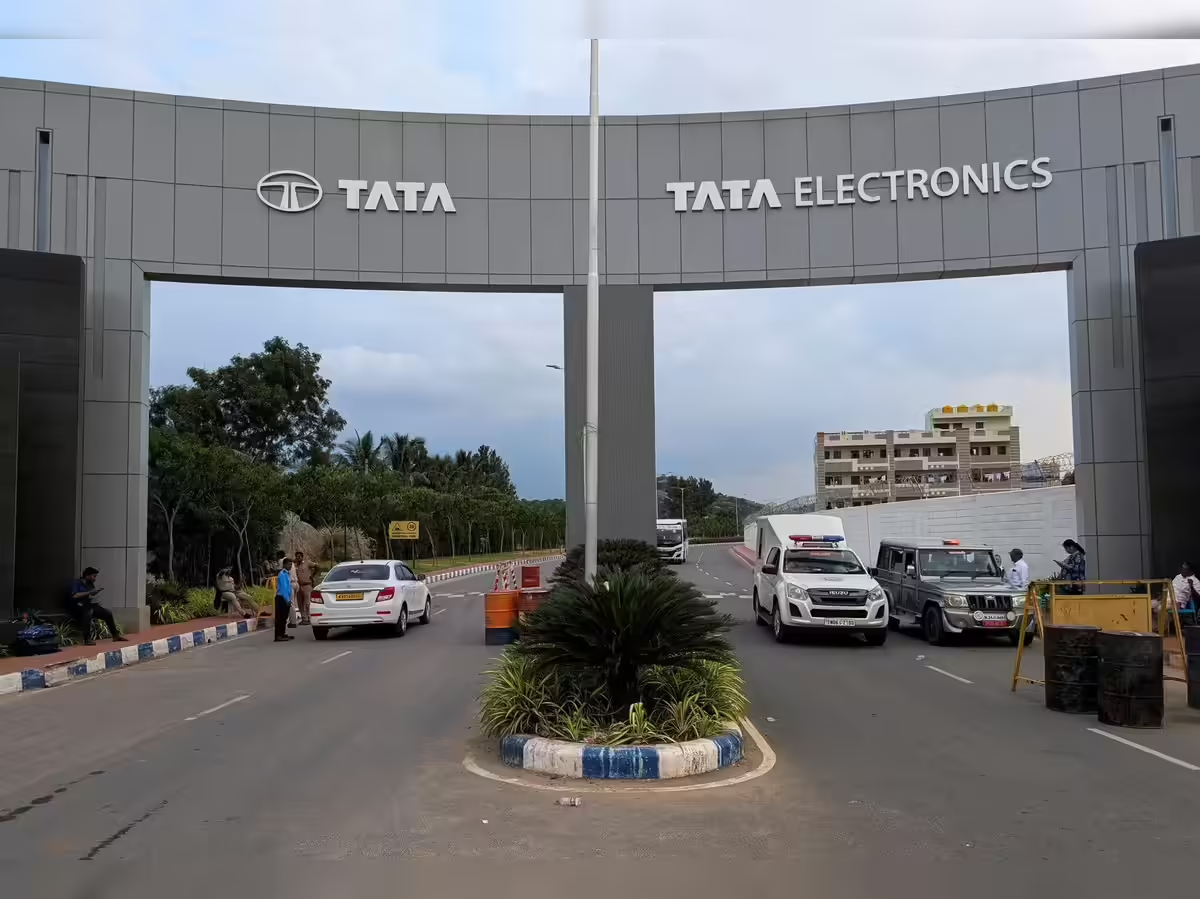
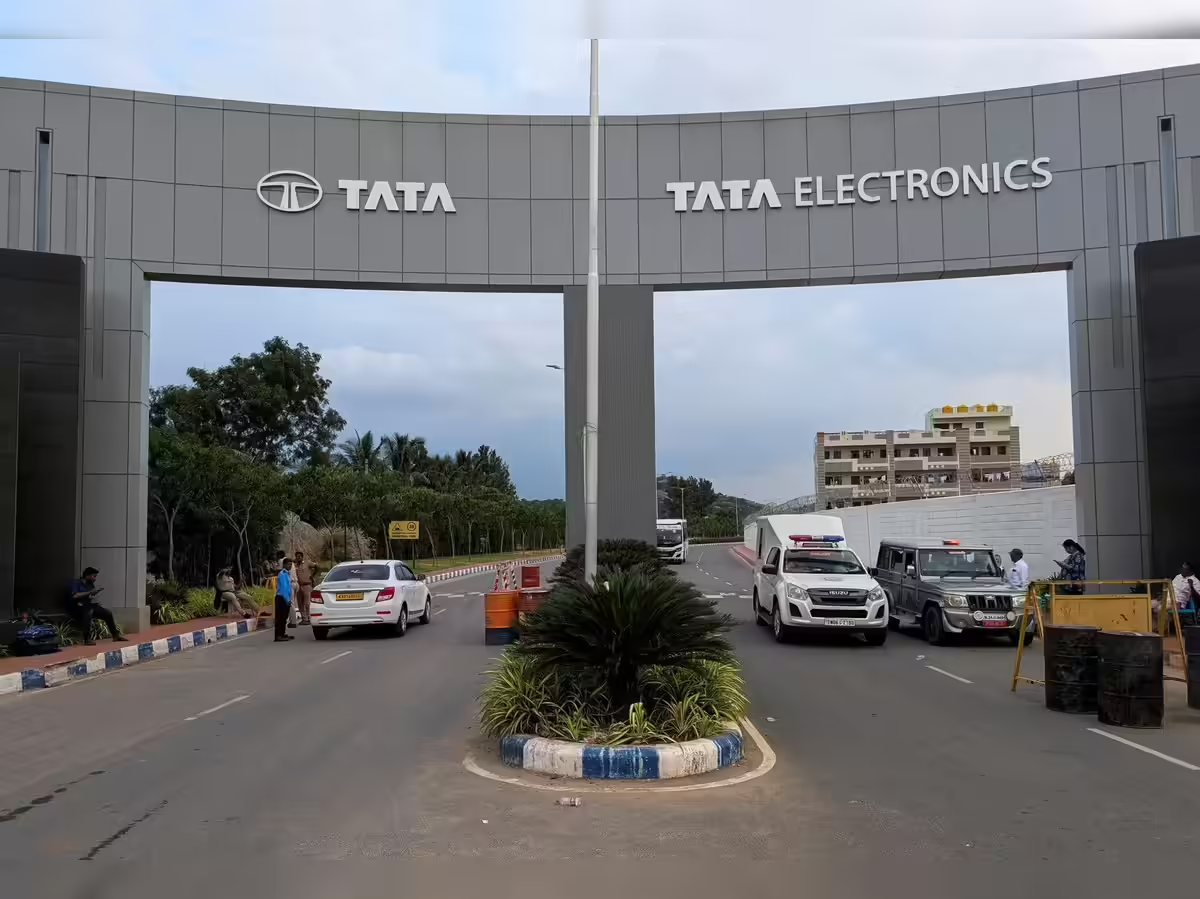
Tata Electronics has cleared a pollution investigation at its iPhone components plant in Hosur, Tamil Nadu. The state pollution control board dropped its scrutiny after Tata submitted water-sample analyses showing no contamination from its facility. The resolution removes an immediate threat to one of Apple's most important manufacturing sites outside China.
The Hosur plant, located 25 miles south of Bengaluru, makes back panels and other components for iPhones. Local farmers had complained that wastewater discharge from the facility contaminated open wells in adjacent agricultural lands. Government inspectors then issued a show-cause notice warning Tata of a forced shutdown unless it explained the alleged contamination.
What did Tata's investigation find?
Tata told Reuters on Tuesday that the Tamil Nadu Pollution Control Board confirmed the company "has satisfactorily addressed all queries mentioned" in the warning notice and "dropped any further course of action on this issue." The pollution board has not commented publicly.
According to Tata's statement, the board's own analysis of water samples collected from the facility "do not indicate any contamination." Tata also commissioned an independent analysis through an accredited laboratory. Those results showed all parameters within prescribed limits.
“The facility has been verified to be in full compliance with all environmental norms, and all water-sample analysis confirms no contamination is originating from our operations.”
— Tata Electronics, Official Statement
The pollution board had previously alleged that Tata discharged wastewater into a rainwater harvesting pond inside its facility. The pond then overflowed, contaminating groundwater in open wells on neighboring farmland. Tata's lab results dispute this sequence of events.
Why does the Hosur plant matter for Apple?
Tata is central to Apple's effort to diversify iPhone production beyond China. The company aims to shift a significant portion of its supply chain to India, with projections suggesting the country could handle 26% of global iPhone production by the end of 2026. The Hosur facility produces high-precision components, making it a critical node in this expansion.
A shutdown would have created real problems. The Hosur plant already experienced a fire in September 2024 that briefly halted iPhone component production. A year earlier, in September 2023, a fire at former supplier Pegatron's iPhone plant shut production for days. Apple has not commented on the pollution investigation or its resolution.
A pattern of supply chain friction in India
The Tata investigation fits a broader pattern of regulatory challenges facing foreign manufacturers in India. In 2024, Mercedes-Benz improved wastewater and air pollution management at its only car factory in the country after officials detected lapses in compliance with environmental law. These incidents do not necessarily signal systemic problems, but they highlight the friction that accompanies rapid industrial scaling.
Online discussion has split on what the episode means. Some view it as routine growing pains in an industrializing economy. Others see it as evidence that Apple's "China Plus One" strategy faces underappreciated execution risks. The swift resolution, however, suggests that Tata and Indian authorities can work through these issues without derailing production.
For farmers near the Hosur plant, the outcome is less clear. The pollution board accepted Tata's evidence, but the original complaints about contaminated wells came from people working the land. Whether the investigation fully addressed their concerns remains an open question.
What happens next?
With the investigation closed, Tata's Hosur operations can continue without regulatory overhang. Apple's India manufacturing ambitions stay on track, at least at this facility. The company has been ramping up production aggressively, and any sustained shutdown would have forced difficult conversations about timeline and capacity.
The episode also demonstrates that India's regulatory system can move quickly when large investments are at stake. Whether that speed reflects efficiency or deference to major employers is a question worth asking. For now, the plant runs, the components ship, and Apple's bet on India remains intact.
Logicity's Take
The speed of this resolution is notable. A show-cause notice threatening shutdown, followed by a clean bill of health within days, suggests either that Tata's compliance was genuinely solid or that regulators prioritized continuity over prolonged investigation. Either way, the incident reveals the tightrope Apple walks in India: the country offers manufacturing scale and geopolitical diversification, but local environmental and labor concerns will keep surfacing. Apple's suppliers need to get ahead of these issues, not just respond when farmers complain.
Frequently Asked Questions
What does Tata Electronics manufacture at the Hosur plant?
The Hosur facility produces iPhone back panels and other components for Apple. It is a key part of Apple's supply chain diversification strategy beyond China.
Why was the Tamil Nadu Pollution Control Board investigating Tata?
Local farmers complained that wastewater discharge from the plant contaminated groundwater in open wells on adjacent agricultural land. The board issued a show-cause notice warning of a potential forced shutdown.
Did Tata's water samples show contamination?
No. Both the pollution board's analysis and an independent accredited laboratory found that water samples from the facility showed no contamination and all parameters were within prescribed limits.
How important is India to Apple's iPhone production?
India is projected to manufacture 26% of global iPhones by the end of 2026, making it a critical alternative to China for Apple's supply chain.
Has Tata's Hosur plant faced problems before?
Yes. A fire at the Hosur plant in September 2024 briefly halted iPhone component production. Apple's India supply chain has experienced other disruptions, including a fire at Pegatron's plant in September 2023.
Need Help Implementing This?
Logicity covers supply chain, manufacturing, and regulatory developments affecting tech companies operating in emerging markets. Subscribe to our newsletter for analysis on the stories that matter to your business.
Source: Tech-Economic Times / ET
Manaal Khan
Tech & Innovation Writer
Produced with AI assistance and reviewed by the Logicity editorial team. Learn more in our Editorial Policy.




