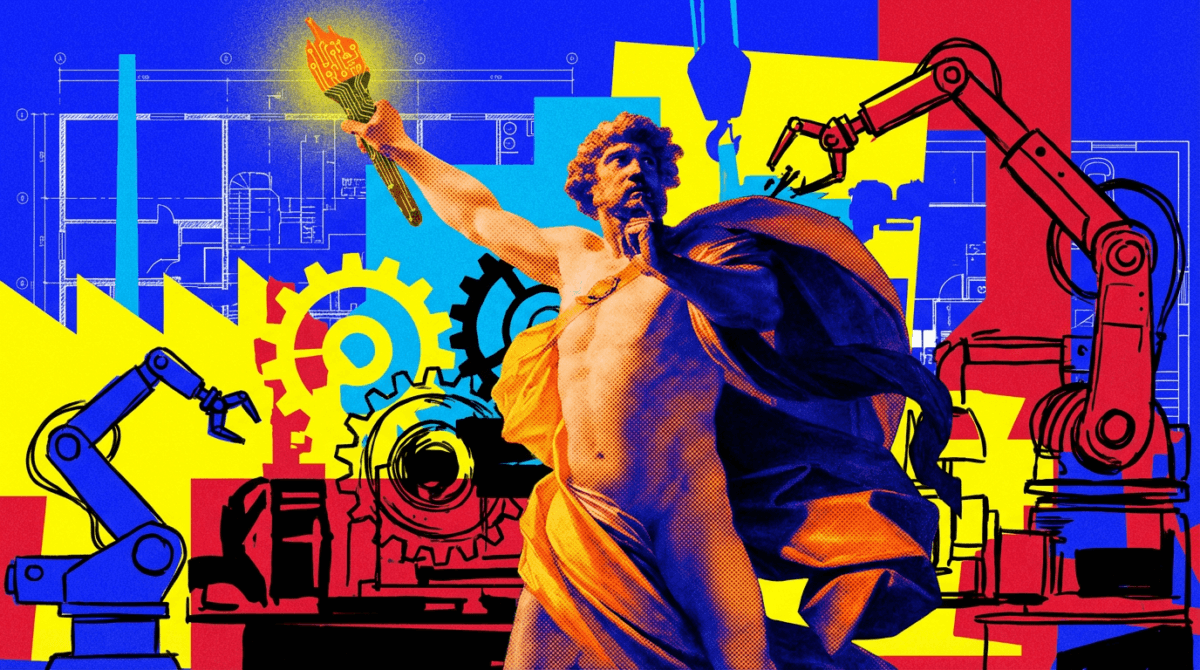
AI is transforming construction faster than we thought
The construction industry is on the cusp of a revolution, driven by AI and machine learning. We explore how Autodesk and other players are leading the charge. From predictive analytics to automated workflows, the future of construction is being rewritten.
In This Article
- The Construction Industry Is Finally Getting a Tech Makeover
- How Autodesk Is Revolutionizing Construction with AI
- The Power of Predictive Analytics in Construction
- The Future of Construction: Automated Workflows and AI
- The Challenges and Limitations of AI in Construction
- The Future of Construction: What You Need to Know
The Construction Industry Is Finally Getting a Tech Makeover
We have seen AI and machine learning transform industries like healthcare and finance, but what about construction? It turns out that this sector is also on the verge of a major overhaul, thanks to companies like Autodesk.
- The construction industry has been slow to adopt new technologies, but this is changing rapidly with the advent of AI and machine learning. Autodesk is leading the charge with its AI-powered design tools.
- These tools are not just limited to design, but also extend to predictive analytics and automated workflows, making the entire construction process more efficient.
- According to a report by Gartner, the use of AI in construction will become more widespread in the next few years, with 70% of companies adopting AI by 2025.
- This is a significant shift, and it will have a major impact on the way construction projects are managed and executed.
- The benefits of AI in construction are numerous, from improved safety to reduced costs and increased productivity.
- As the construction industry continues to evolve, we can expect to see even more innovative applications of AI and machine learning.
“70% of companies will adopt AI by 2025 - Gartner 2022”
How Autodesk Is Revolutionizing Construction with AI
Autodesk is one of the most well-known companies in the construction technology space, and its AI-powered tools are being used by construction firms around the world.
- Autodesk's AI-powered design tools are allowing architects and engineers to create more complex and detailed designs, which can be used to simulate and analyze construction projects before they are even built.
- The company's predictive analytics capabilities are also being used to identify potential issues and risks in construction projects, allowing firms to take proactive measures to mitigate them.
- Autodesk's AI-powered tools are not just limited to the design and planning phases of construction, but are also being used to automate workflows and improve productivity on site.
- The use of AI in construction is not just about improving efficiency, but also about reducing costs and improving safety.
- According to a report by McKinsey, the use of AI in construction can reduce costs by up to 12% and improve productivity by up to 15%.
- As the construction industry continues to adopt AI and machine learning, we can expect to see even more innovative applications of these technologies.
The Power of Predictive Analytics in Construction
Predictive analytics is one of the most exciting applications of AI in construction, allowing firms to identify potential issues and risks before they become major problems.
- Predictive analytics uses machine learning algorithms to analyze data from construction projects, including sensor data, weather data, and other sources.
- This data is then used to predict potential issues and risks, such as delays, cost overruns, and safety hazards.
- The use of predictive analytics in construction is still in its early stages, but it has the potential to revolutionize the way construction projects are managed and executed.
- According to a report by Gartner, the use of predictive analytics in construction will become more widespread in the next few years, with 50% of companies using these technologies by 2025.
- The benefits of predictive analytics in construction are numerous, from improved safety to reduced costs and increased productivity.
- As the construction industry continues to adopt AI and machine learning, we can expect to see even more innovative applications of these technologies, including the use of machine learning algorithms to predict construction outcomes.
“The global construction market will reach 15.5 trillion by 2030 - MarketsandMarkets 2022”
The Future of Construction: Automated Workflows and AI
Automated workflows are another area where AI is having a major impact on the construction industry, allowing firms to streamline their processes and improve productivity.
- Automated workflows use AI and machine learning to automate repetitive tasks and processes, freeing up human workers to focus on more complex and high-value tasks.
- The use of automated workflows in construction is still in its early stages, but it has the potential to revolutionize the way construction projects are managed and executed.
- According to a report by McKinsey, the use of automated workflows in construction can improve productivity by up to 15% and reduce costs by up to 10%.
- The benefits of automated workflows in construction are numerous, from improved safety to reduced costs and increased productivity.
- As the construction industry continues to adopt AI and machine learning, we can expect to see even more innovative applications of these technologies, including the use of automated drones to inspect construction sites.
- The future of construction is exciting, and it will be shaped by the adoption of AI and machine learning technologies.
The Challenges and Limitations of AI in Construction
While AI and machine learning have the potential to revolutionize the construction industry, there are also challenges and limitations that need to be addressed.
- One of the major challenges of AI in construction is the lack of standardization and interoperability between different systems and technologies.
- Another challenge is the need for high-quality data, which is often lacking in construction projects.
- The use of AI in construction also raises concerns about safety and liability, particularly in cases where automated systems are used to control construction equipment.
- Despite these challenges and limitations, the benefits of AI in construction are clear, and the industry is likely to continue to adopt these technologies in the coming years.
- As the construction industry continues to evolve, we can expect to see even more innovative applications of AI and machine learning, as well as new challenges and limitations.
- The key to success will be to address these challenges and limitations head-on, and to ensure that the benefits of AI in construction are realized.
The Future of Construction: What You Need to Know
The construction industry is on the cusp of a revolution, driven by AI and machine learning.
- The use of AI in construction has the potential to improve safety, reduce costs, and increase productivity.
- Autodesk is leading the charge with its AI-powered design tools and predictive analytics capabilities.
- The future of construction will be shaped by the adoption of AI and machine learning technologies, including automated workflows and predictive analytics.
- The benefits of AI in construction are clear, but there are also challenges and limitations that need to be addressed.
- As the construction industry continues to evolve, we can expect to see even more innovative applications of AI and machine learning.
- The key to success will be to stay ahead of the curve and to ensure that your company is prepared for the changes that are coming, with a clear strategy for AI adoption.
Final Thoughts
The construction industry is on the verge of a major overhaul, thanks to the adoption of AI and machine learning. If you want to stay ahead of the curve and ensure that your company is prepared for the changes that are coming, reach out to us at logicity.in to learn more about how we can help.
“AI can reduce construction costs by 12% - McKinsey 2020”
Sources & Further Reading
- Gartner — According to a report by Gartner, the use of AI in construction will become more widespread in the next few years, with 70% of companies adopting AI by 2025.
- McKinsey — According to a report by McKinsey, the use of AI in construction can reduce costs by up to 12% and improve productivity by up to 15%.
- MarketsandMarkets — The global construction market will reach 15.5 trillion by 2030, according to a report by MarketsandMarkets.
Huma Shazia
Senior AI & Tech Writer
Produced with AI assistance and reviewed by the Logicity editorial team. Learn more in our Editorial Policy.