Key Takeaways
- Subnautica 2 sold 4 million copies in early access, generating an estimated $100 million in its first week
- Krafton must pay the $250 million earnout bonus after allegedly using ChatGPT to find ways to avoid the payment
- A Delaware court forced Krafton to reinstate fired Unknown Worlds executives after ruling the company tried to sabotage the earnout agreement
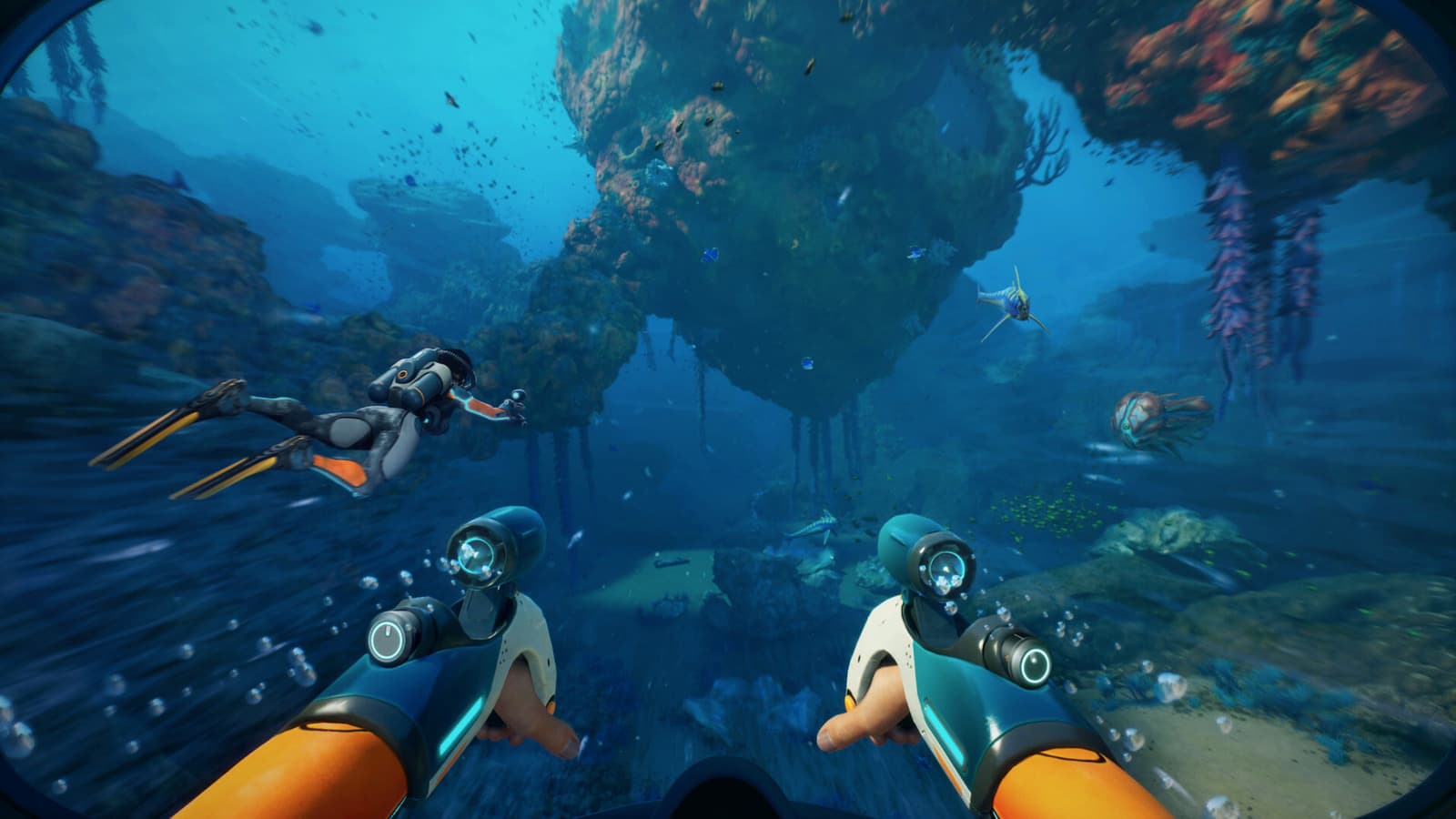
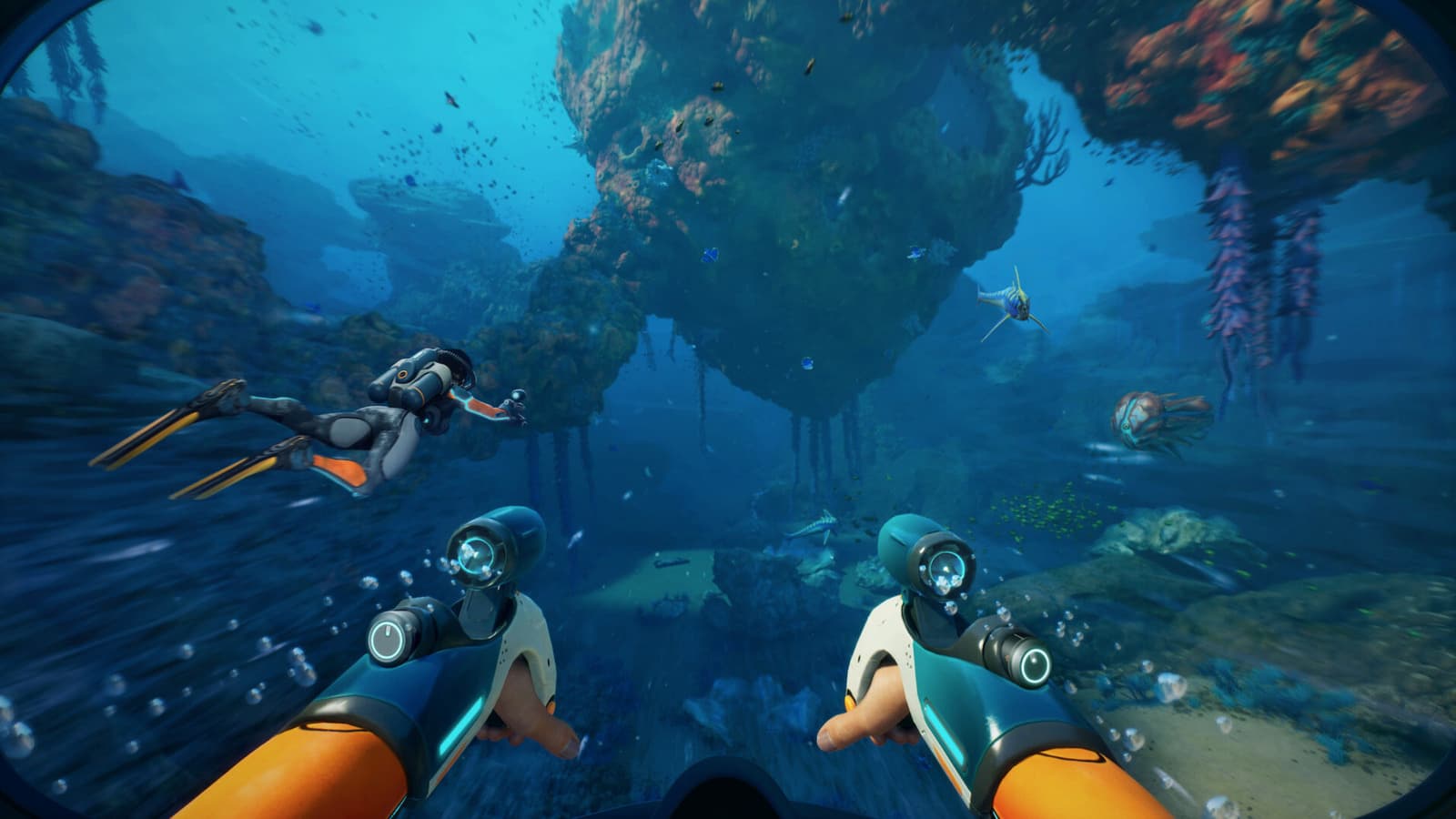
Subnautica 2 is an underwater survival hit. It sold 4 million copies in its first two weeks of early access. That success triggered a contractual payout that publisher Krafton allegedly spent years trying to avoid.
The South Korean gaming giant must now pay developer Unknown Worlds a $250 million bonus, according to IGN. The payment represents roughly 35% of Krafton's annual operating profit.
The Earnout Agreement That Sparked a Legal War
Krafton acquired Unknown Worlds in 2021. The deal included an earnout clause: if the studio hit certain revenue targets, executives and staff would share a $250 million bonus.
The developers missed their original 2025 target window. But not because the game underperformed. According to court documents, Krafton delayed Subnautica 2's release specifically to prevent the payout from being triggered.
A pre-trial brief revealed that Krafton CEO Changham Kim allegedly nixed the payment because it would be a "professional embarrassment" and make him look like a "pushover." The company also fired Unknown Worlds CEO Ted Gill and other co-founders before a judge forced it to reverse course.
When the CEO Asked ChatGPT for Contract Evasion Ideas
Court filings revealed a strange detail: CEO Kim turned to ChatGPT for ideas on how to avoid paying the bonus. Even the AI chatbot told him it would be "difficult to cancel the earnout."
Kim and his team eventually developed something called "Project X," a convoluted plan to either negotiate a lower bonus or take control of Unknown Worlds in a way that would void the agreement.
“They looked to buy time. Over the next month, Krafton followed most of ChatGPT's recommendations.”
— Vice-Chancellor Lori Will, Delaware Court of Chancery
The strategy failed. The court ruled against Krafton, forcing the company to reinstate the fired executives and honor the original agreement.
The Krafton saga shows how M&A earnout structures can create adversarial relationships
What This Means for Gaming M&A
The case sets a notable precedent. Courts have now shown they will enforce earnout agreements aggressively when acquirers appear to act in bad faith. The ChatGPT evidence in particular drew significant discussion on Hacker News about how internal AI-generated strategy documents might be used in future litigation.
For developers considering acquisition offers with earnout clauses, this case demonstrates both the risks and potential remedies. Unknown Worlds ultimately got paid, but only after years of legal battles and the traumatic experience of watching their leadership team get fired.
Subnautica 2's Early Access Success
Despite being an unfinished early access release, Subnautica 2 has resonated with players hungry for underwater exploration games. The original Subnautica built a devoted fanbase, and the sequel's troubled development history may have actually increased interest.
The game generated an estimated $100 million in revenue during its first week. Reddit communities, particularly r/gaming, showed strong support for the developers. Many users reported buying the game specifically to support the team against what they called Krafton's "corporate greed."
Unknown Worlds CEO Ted Gill, now reinstated, acknowledged the resolution: "The numbers don't lie, and the players have spoken. We are thrilled to continue delivering the Subnautica experience our community deserves."
Krafton's Pivot to AI
In a twist that feels almost satirical given the ChatGPT controversy, Krafton has announced its transformation into an "AI first" company. The timing is awkward at best. The company's most publicized use of AI to date involved asking a chatbot how to break contractual promises.
More on how major companies are positioning their AI strategies
Logicity's Take
Frequently Asked Questions
Why did Krafton have to pay Unknown Worlds $250 million?
When Krafton acquired Unknown Worlds in 2021, the contract included an earnout clause requiring a $250 million bonus if the studio hit certain revenue targets. Subnautica 2's 4 million early access sales triggered that threshold.
How did Krafton allegedly try to avoid paying the bonus?
According to court documents, Krafton delayed Subnautica 2's release to prevent the earnout window from being met, fired Unknown Worlds executives, and used ChatGPT to brainstorm ways to cancel or reduce the payment.
What is an earnout agreement in gaming acquisitions?
An earnout is a contractual provision where part of the purchase price depends on the acquired company hitting future performance targets. It aligns incentives but can create conflicts if the acquirer has control over decisions that affect those targets.
How many copies has Subnautica 2 sold?
Subnautica 2 sold 4 million copies in its first two weeks of early access, generating an estimated $100 million in first-week revenue.
What happened to the Unknown Worlds executives Krafton fired?
A Delaware court forced Krafton to reinstate the fired executives, including CEO Ted Gill, ruling that the terminations were part of an attempt to sabotage the earnout agreement.
Need Help Implementing This?
Source: Engadget
Huma Shazia
Senior AI & Tech Writer
Produced with AI assistance and reviewed by the Logicity editorial team. Learn more in our Editorial Policy.




