Key Takeaways
- Enterprise AI pilots fail commercially because deployments create organizational instability, not because models underperform
- Enterprises now give AI projects a maximum 90-day window to demonstrate clear ROI before considering cancellation
- AI startups still optimizing for demo excitement rather than operational adoption are hitting a wall with enterprise buyers
Enterprise organizations are not rejecting AI. They are rejecting operational instability. That distinction, according to Databricks co-founder Arsalan Tavakoli-Shiraji, is what separates AI companies that scale from those that stall after early momentum.
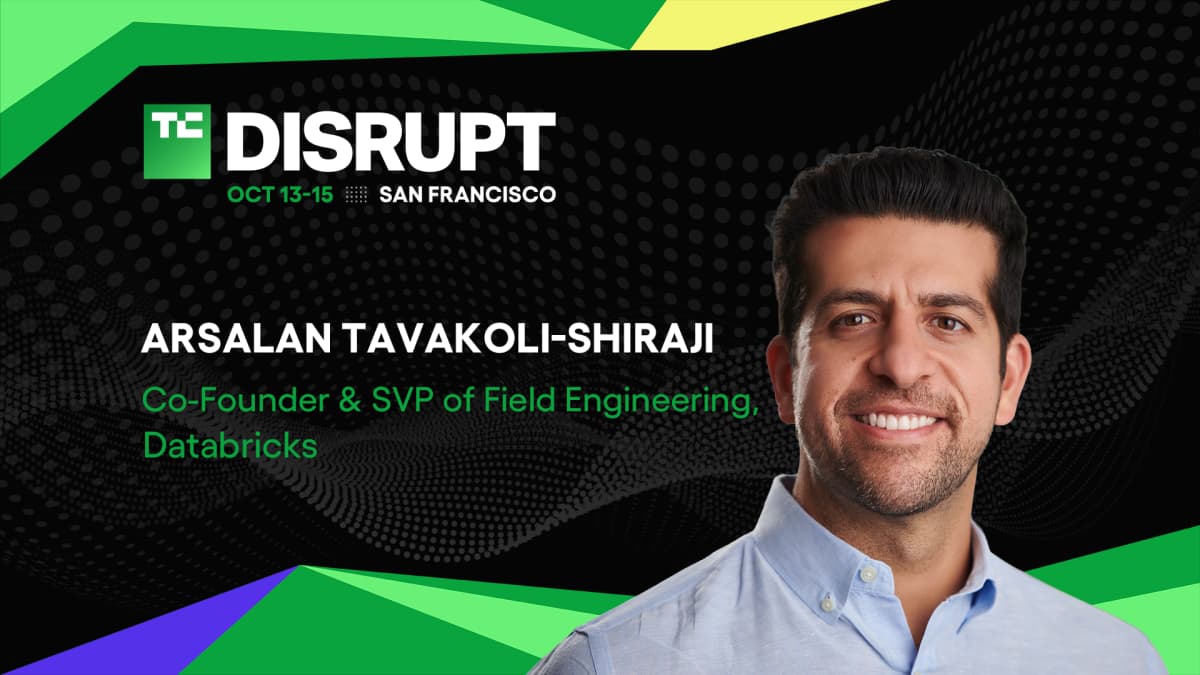
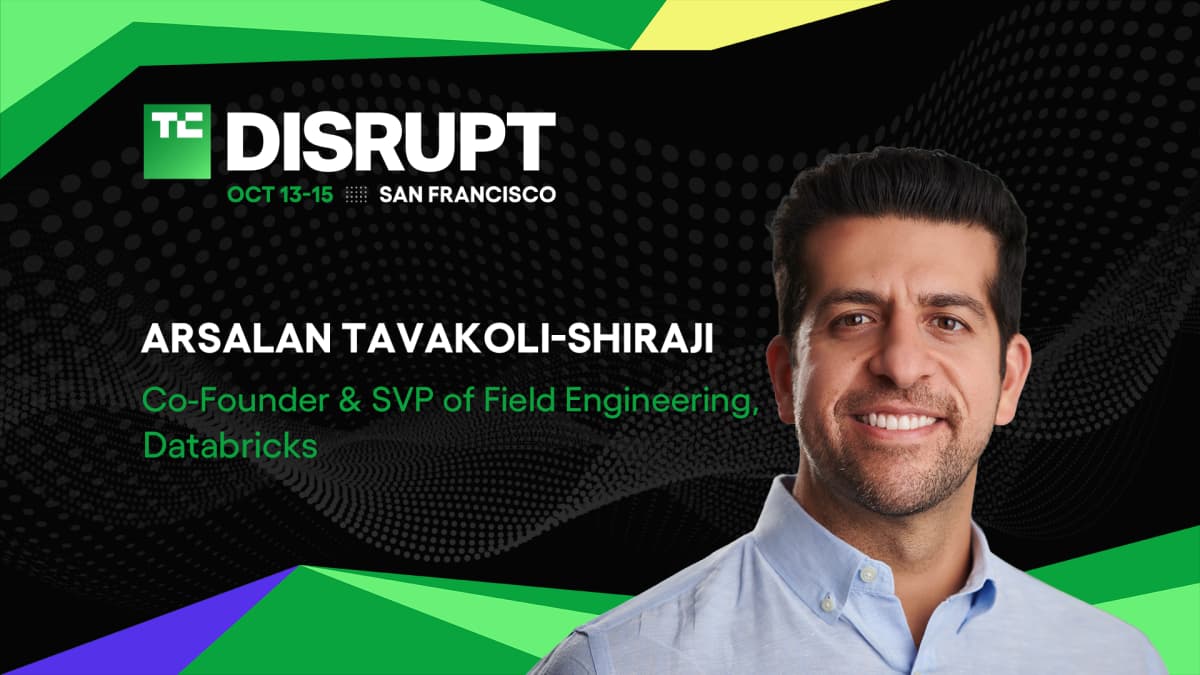
At TechCrunch Disrupt 2026, taking place October 13 to 15 at Moscone West in San Francisco, Tavakoli-Shiraji will unpack this shift in a session titled "The Enterprise Isn't Broken. Your Assumptions About It Are."
“The enterprise isn't broken. Your assumptions about it are.”
— Arsalan Tavakoli-Shiraji, Co-founder and SVP of Field Engineering, Databricks
His argument is straightforward. For the past several years, AI startups benefited from a market driven by experimentation. A strong demo, an impressive model, and a compelling vision were often enough to generate enterprise interest, pilot programs, and investor enthusiasm. That era is ending.
The Pilot Was Never the Hard Part
The enterprise AI market is full of successful pilots that never became real deployments. Not because the technology failed. Because the organization could not absorb the operational consequences of adopting it.
Startup AI deals rarely die because the model underperformed. They die because the enterprise lost confidence in what the deployment would require.
Most enterprises are not simply evaluating whether an AI product works. They are evaluating a longer list of concerns:
- Implementation risk
- Governance complexity
- Workflow disruption
- Infrastructure strain
- Compliance exposure
- Organizational trust
An AI product can perform exceptionally well in a controlled environment and still fail commercially if its deployment creates instability within the business.
The Magic Demo Is Dead
Databricks, now valued at $62 billion with $3 billion in annualized revenue, has a front-row seat to this shift. The company's leadership has been vocal about what they are seeing in enterprise buying behavior.
“Enterprises are no longer evaluating whether AI is exciting. They are evaluating whether it is safe to deploy at scale.”
— Ali Ghodsi, CEO and Co-founder, Databricks
On social media, the company has been even more direct. "The era of the 'magic demo' is over," Databricks posted. "Enterprises demand stability, governance, and verifiable ROI before the pilot even begins."
Ghodsi has pointed to a deeper problem. "Enterprise AI isn't failing because the tech isn't good," he wrote. "It's failing because companies are trying to build on top of data silos and call it 'innovation'. Fix the data, then deploy."
Enterprise AI Is Becoming an Operational Trust Problem
This is the gap Tavakoli-Shiraji's session is designed to explore. Many AI startups are still optimizing for the wrong outcome. They are building for initial excitement rather than long-term operational adoption. Enterprises are becoming far more disciplined about recognizing the difference.
The AI startups gaining traction inside large organizations increasingly share one thing: they treat deployment stability as a first-class requirement, not an afterthought.
Community reaction to this shift has been mixed. On Hacker News, many engineers agree that the industry is entering what some call a "boredom" phase where boring, reliable, and compliant infrastructure is finally being prioritized over hype-driven LLM applications. Others remain skeptical, noting that legacy IT procurement processes are still the biggest hurdle regardless of how stable a startup's platform claims to be.
What This Means for AI Founders
The implication for founders is uncomfortable but clear. If your go-to-market strategy depends on wowing enterprise buyers with demo magic, you are running a playbook from 2023. The enterprises with real budgets are asking different questions now.
They want to know how your product integrates with existing workflows without breaking them. They want to understand the governance model before they sign. They want ROI projections that can survive a 90-day review.
TechCrunch Disrupt 2026 will bring together over 10,000 founders, investors, and operators across 250+ sessions on six stages. Tavakoli-Shiraji's session on the AI Stage will address what separates enterprise AI that survives beyond the pilot phase from the projects that stall.
Logicity's Take
Frequently Asked Questions
Why do enterprise AI pilots fail to reach production?
According to Databricks, most pilots fail not because the AI model underperformed, but because enterprises lose confidence in the operational requirements of full deployment. Concerns include implementation risk, governance complexity, workflow disruption, and compliance exposure.
How long do enterprises give AI projects to prove ROI?
Current enterprise expectations give AI projects a maximum of 90 days to demonstrate clear ROI before considering cancellation, a significant tightening from earlier experimentation phases.
What is Databricks' current valuation and revenue?
As of mid-2026, Databricks is valued at $62 billion with $3 billion in annualized revenue, driven largely by enterprise adoption of its unified data platform.
What should AI startups focus on to win enterprise deals?
According to Databricks leadership, startups should prioritize operational stability, governance frameworks, and integration with existing workflows rather than demo impressiveness and model performance alone.
Another look at how major players are approaching enterprise AI deployment
Need Help Implementing This?
Source: TechCrunch / TechCrunch Events
Huma Shazia
Senior AI & Tech Writer
Produced with AI assistance and reviewed by the Logicity editorial team. Learn more in our Editorial Policy.




