Key Takeaways
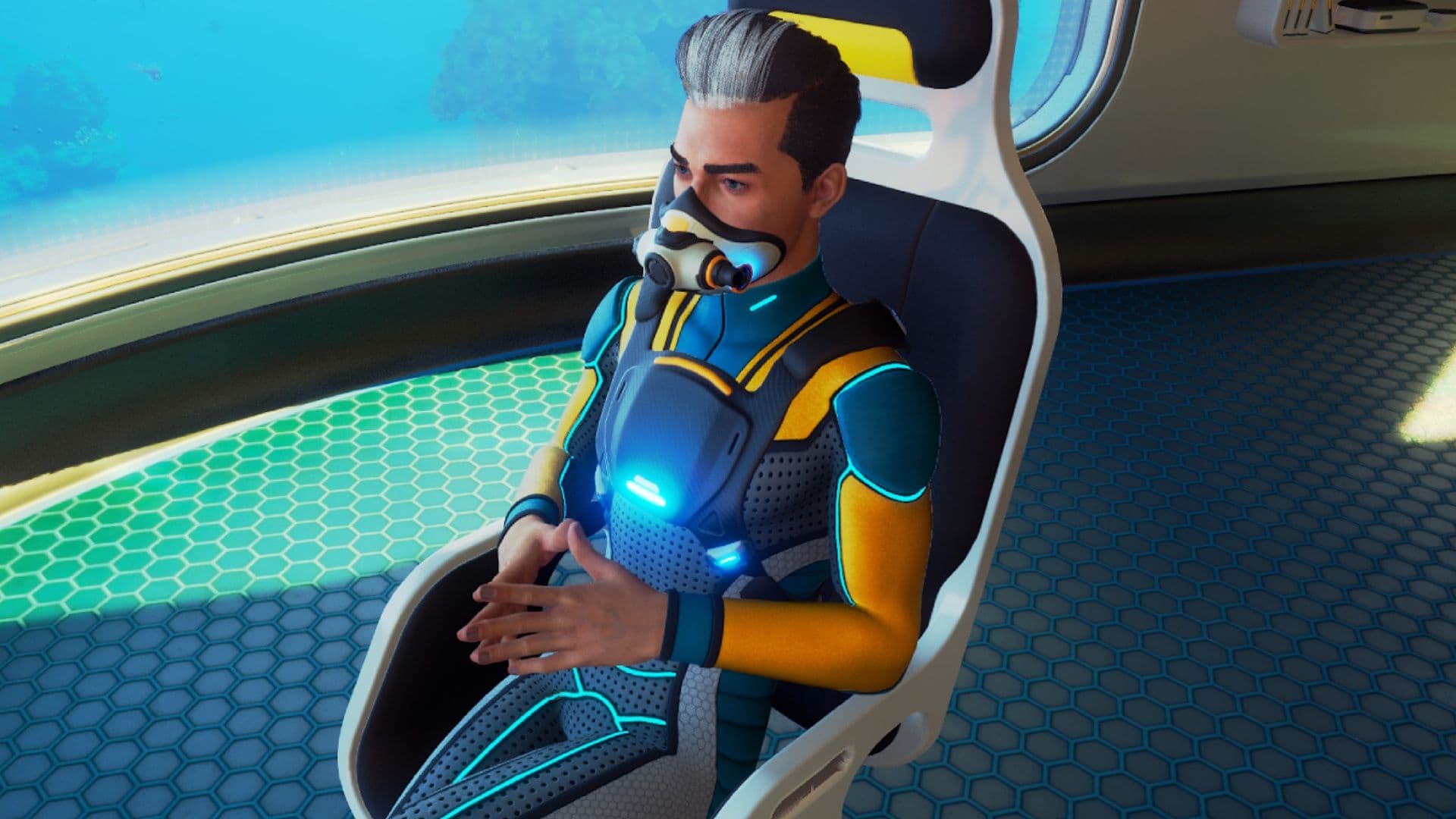
- Krafton owes Unknown Worlds founders up to $250 million due to a 2021 earnout clause triggered by Subnautica 2's launch success
- The game sold 4 million copies in under a week, generating roughly $84 million after Steam's cut
- A Delaware court found Krafton CEO consulted AI on escaping what he called a 'pushover' contract
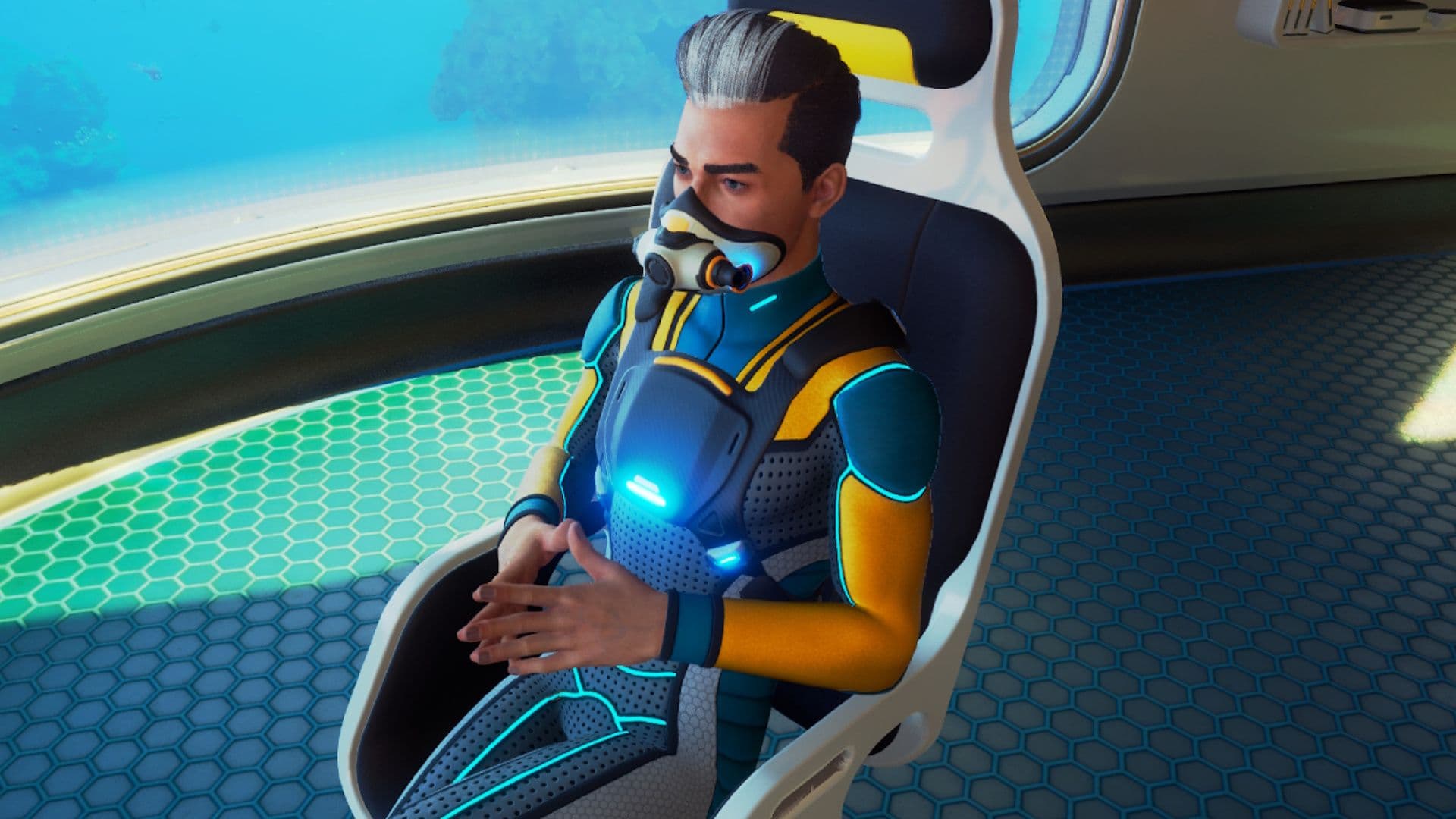
The fastest-selling game of 2026 is about to cost its publisher a fortune. Subnautica 2's explosive Early Access launch has triggered a contractual bonus that will wipe out more than one-third of Krafton's projected $736 million operating profit for 2025.
According to a Korea Economic Daily report cited by IGN, Krafton agreed to pay Unknown Worlds founders Ted Gill, Max McGuire, and Charlie Cleveland $3.12 for every $1 in revenue whenever the studio exceeded $69.8 million in a single month. The cap: $250 million.
Subnautica 2 blew past that threshold in days.
The Math That Broke Krafton's Budget
Four million copies at $30 each equals $120 million gross. Subtract Valve's 30% platform fee and you get roughly $84 million in net revenue. That's well above the $69.8 million monthly threshold that activates the earnout clause.
The game isn't slowing down either. Before launch, Subnautica 2 was the most wishlisted title on Steam. Most of those wishlists haven't converted to purchases yet. User reviews are running at "very positive" across more than 94,000 reviews, suggesting strong word-of-mouth momentum.
According to Alinea Analytics, Subnautica 2 is outpacing every 2026 release so far, including Slay the Spire 2, Resident Evil Requiem, and Crimson Desert.
How Krafton Tried to Escape the Contract
The payout didn't have to happen this way. In 2025, Krafton fired Gill, McGuire, and Cleveland. The stated reason: they were rushing the game to market before it was ready. Then the story changed. Krafton claimed the founders had "abandoned" their jobs and stolen confidential company data.
Neither claim held up in court.
Delaware judge Lori Will found that Krafton knew what the Unknown Worlds leadership was doing and had approved it. Worse for Krafton, evidence emerged that CEO Changhan Kim had consulted AI tools on how to escape the contract.
“He was afraid he had agreed to a 'pushover' contract.”
— Delaware judge Lori Will, describing Krafton CEO Changhan Kim's motivation
The court ordered the leadership reinstated and extended development deadlines. That extension led directly to the polished Early Access launch that's now generating record sales.
The ChatGPT Factor
The revelation that Krafton's CEO consulted ChatGPT for legal strategy became the most discussed aspect of the trial. It raised immediate questions about AI's role in corporate decision-making, particularly in high-stakes contract negotiations.
Online reaction has been predictably harsh. Reddit and HackerNews threads have mocked the "ChatGPT legal strategy" while pointing out the irony of using AI tools to avoid paying human developers.
What This Means for Krafton's Finances
The $250 million cap represents approximately 35% of Krafton's projected 2025 operating profit of $736 million. For context, that's more than most AAA game development budgets. It's a single bonus payment eating a third of annual profits.
Krafton remains profitable, and Subnautica 2's ongoing sales will generate revenue for years. But the optics are brutal: a publisher tried to cheat developers out of a promised bonus, lost in court, and now watches helplessly as the game's success triggers the maximum payout.
Charlie Cleveland, one of the reinstated founders, struck a measured tone after the launch.
"We are thrilled to finally bring Subnautica 2 to our community and are grateful for the support that allowed us to overcome the hurdles of this past year." — Charlie Cleveland, Founder, Unknown Worlds
Lessons for the Industry
The Krafton-Unknown Worlds saga offers several takeaways for publishers and developers negotiating acquisition deals.
- Earnout clauses with aggressive multipliers can backfire spectacularly when games exceed expectations
- Courts don't look kindly on post-hoc justifications for firing founders when evidence shows prior approval
- Using AI chatbots for legal strategy advice is not a substitute for actual legal counsel
- Public sympathy tends to favor developers over publishers in contract disputes
The $3.12-for-every-$1 multiplier seemed reasonable in 2021 when the original Subnautica had sold well but not explosively. Nobody at Krafton apparently modeled what would happen if the sequel became the fastest-selling game of its release year.

Logicity's Take
Frequently Asked Questions
How much will Krafton pay Unknown Worlds founders?
Up to $250 million, which is the contractual cap on the earnout bonus triggered by Subnautica 2's revenue performance.
How many copies has Subnautica 2 sold?
The game sold 4 million copies in less than one week of Early Access, generating an estimated $84 million after Steam's 30% platform fee.
Why did Krafton fire the Unknown Worlds founders?
Krafton claimed they were rushing the game and had stolen company data. A Delaware court found these claims unsupported and ordered their reinstatement.
What percentage of Krafton's profit does the bonus represent?
The $250 million payout equals approximately 35% of Krafton's projected $736 million operating profit for 2025.
Did Krafton's CEO really use ChatGPT for legal advice?
Court evidence showed CEO Changhan Kim consulted AI tools on how to escape the contract, which Judge Lori Will cited in her ruling.
Need Help Implementing This?
Source: PCGamer latest
Huma Shazia
Senior AI & Tech Writer
Produced with AI assistance and reviewed by the Logicity editorial team. Learn more in our Editorial Policy.