Key Takeaways
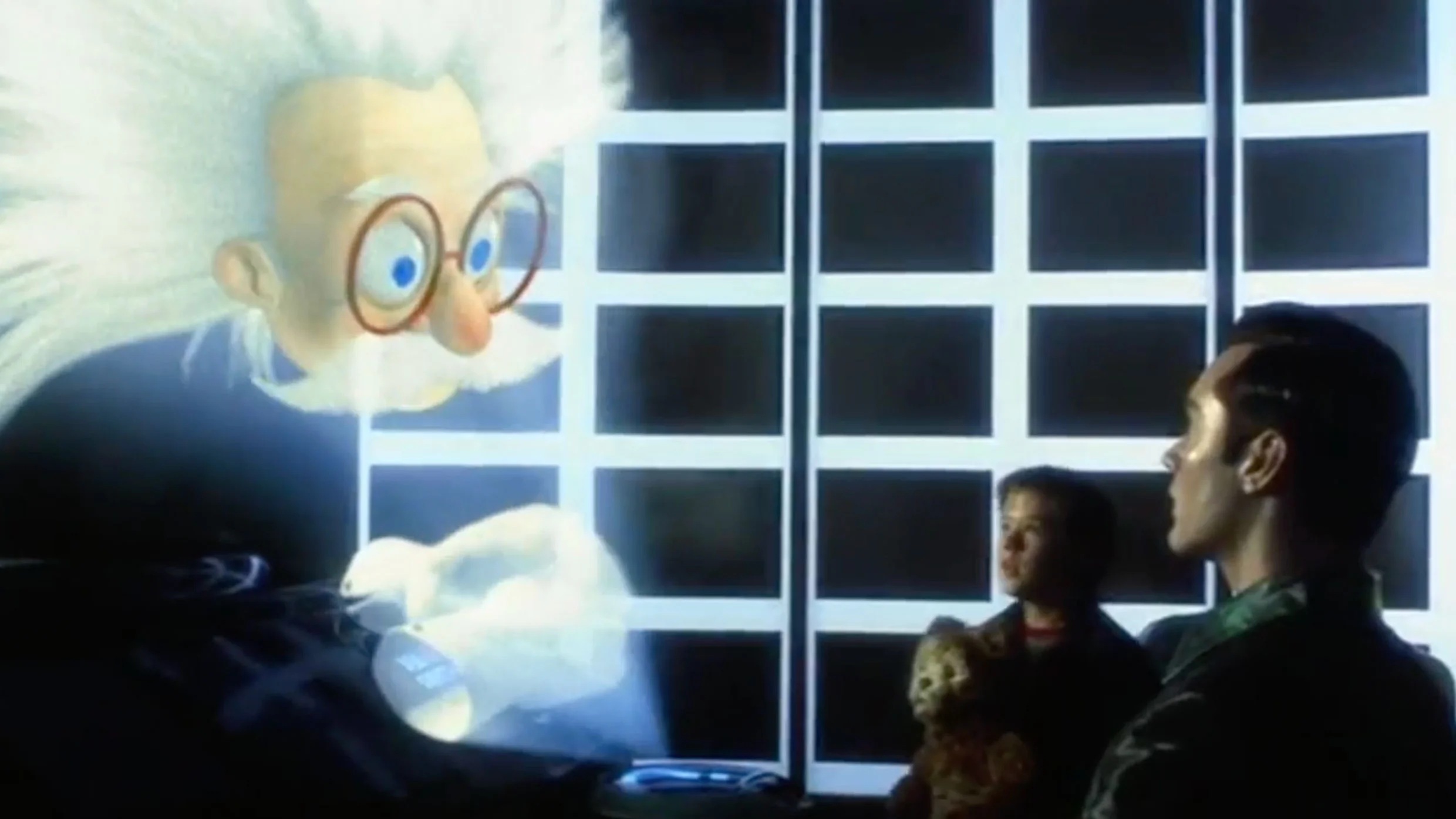
- Steven Spielberg's A.I. Artificial Intelligence turns 25 on June 29, 2026, with one scene eerily predicting modern AI misinformation
- The film's exploration of indistinguishable synthetic beings mirrors today's deepfake crisis
- For AI product teams, the film raises questions about verification and trust that remain unsolved
Steven Spielberg's A.I. Artificial Intelligence, the 2001 film originally conceived by Stanley Kubrick, turns 25 on Monday. The movie flopped at the domestic box office with just $78 million against its summer blockbuster ambitions. But one scene in the film predicted something that didn't need a century to arrive: the AI-powered collapse of objective reality.
The scene in question shows how people in the film's 22nd-century setting obtain and process information with AI assistance. Fast Company's Joe Berkowitz argues this moment has already proven "more profoundly harmful than even Spielberg might've imagined." While humanoid robots remain stuck on the fringes, the erosion of trust in authentic media has become the defining crisis of our AI era.
What A.I. got right about synthetic reality
The film's premise centers on David, a robot prototype played by Haley Joel Osment who presents as a human child indistinguishable from the real thing. He's programmed to love unconditionally. The ethical nightmare Spielberg explores is what happens when a synthetic being cannot be told apart from an authentic one.
That's exactly where we are now. Deepfake videos increased 500% between 2019 and 2023, according to the World Economic Forum. The global deepfake detection market is projected to hit $40 billion by 2030. We're building an entire industry around solving a problem A.I. dramatized two decades ago: how do you verify what's real when AI can fabricate anything?
Nina Schick, author of Deepfakes: The Coming Infocalypse, puts it bluntly: "We've entered an era where seeing is no longer believing." The film asked whether authenticity matters if love feels real. The 2025 version of that question is whether evidence matters if fabrication is indistinguishable from truth.
The Flesh Fair isn't fiction anymore
A.I. features a sequence called the Flesh Fair, where unemployed humans destroy the robots that took their jobs. Berkowitz notes this "seems like a natural extension of today's fierce opposition to data centers." The backlash against AI is no longer hypothetical.
But the Flesh Fair is spectacle. The information scene is infrastructure. Spielberg and Kubrick understood that the real disruption wouldn't come from mechanical workers replacing human labor. It would come from synthetic content replacing human knowledge. When you can't trust what you see, read, or hear, the social contract starts to crack.
Why this matters for AI builders right now
The film's poor reception in 2001 is worth noting. Audiences found it cold and confusing. Critics were split. The public wasn't ready to grapple with questions about synthetic consciousness and manufactured emotion.
Today, anyone building AI products confronts these questions daily. How do you design systems that can be verified as authentic? How do you handle user-generated content that may be synthetic? What's your liability when your tool enables fabrication? The film didn't answer these questions. Neither have we, 25 years later.
A.I. grossed $235.9 million worldwide and has only grown in critical reputation since. That trajectory, from commercial disappointment to cultural touchstone, mirrors how AI itself has developed. The technology that seemed speculative in 2001 is now embedded in every product roadmap. The ethical problems Spielberg dramatized are now compliance risks.
Logicity's Take
For AI product teams, A.I.'s 25th anniversary is a reminder that verification infrastructure is now table stakes. Tools like Content Authenticity Initiative standards, C2PA metadata, and watermarking protocols are emerging as the industry's answer to synthetic media, but adoption remains patchy. If you're building anything that generates or displays media, provenance tracking should be on your roadmap, not as a feature but as a trust requirement. The alternative is building products nobody can believe.
Frequently Asked Questions
What scene from A.I. predicted deepfakes?
The film features a scene showing how people in the 22nd century obtain and process information with AI assistance. This depiction of AI-mediated reality has proven prescient as deepfakes and synthetic media now dominate information ecosystems.
How much did A.I. Artificial Intelligence make at the box office?
A.I. earned $78 million domestically and $235.9 million worldwide. Despite positioning as a summer blockbuster, it underperformed expectations in 2001 but has since gained critical reappraisal.
Was A.I. originally a Stanley Kubrick project?
Yes. Kubrick conceived the project and worked on it for years before his death in 1999. Steven Spielberg inherited the project and directed the final film, released in 2001.
How big is the deepfake detection market?
The global deepfake detection market is projected to reach $40 billion by 2030, reflecting the scale of the synthetic media problem that A.I. anticipated.
Need Help Implementing This?
Building verification and provenance features into your AI product? Logicity tracks the tools and standards emerging in this space. Subscribe to our newsletter for weekly updates on AI infrastructure decisions that affect product teams.
Source: Fast Company / Joe Berkowitz
Manaal Khan
Tech & Innovation Writer
Produced with AI assistance and reviewed by the Logicity editorial team. Learn more in our Editorial Policy.