Key Takeaways
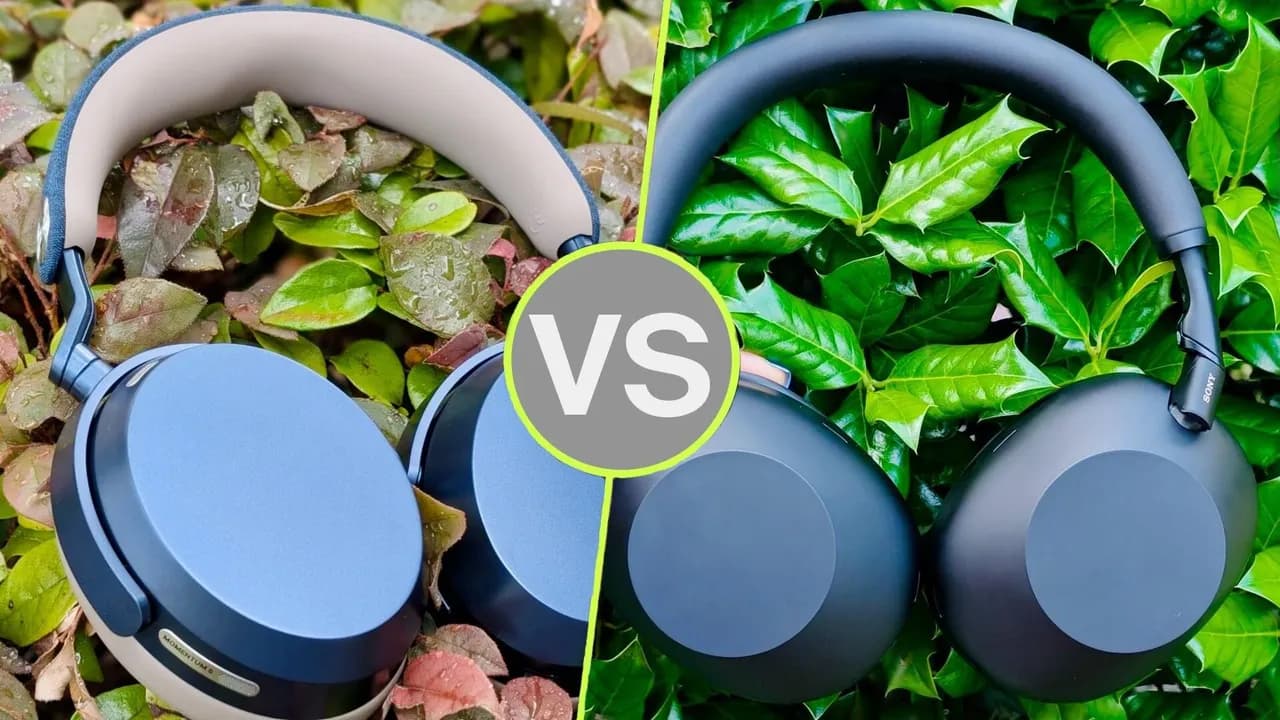
- Sennheiser Momentum 5 offers 57 hours of battery life versus Sony's 30 hours
- Sony WH-1000XM6 wins on smart features and foldable design at $460
- Sennheiser supports USB-C audio and AptX codecs for audiophile-grade listening
Sony's WH-1000XM6 ($460) and Sennheiser's Momentum 5 ($400) sit at the top of the premium ANC headphone market, but after months of daily use, the choice between them comes down to a simple question: do you want the smartest headphones available, or the best-sounding ones?
Both deliver excellent noise cancellation, comfortable fits, and premium build quality. The differences emerge in the details, and those details matter more than the spec sheets suggest.
Battery life: Sennheiser dominates
The gap here is not subtle. Sennheiser's Momentum 5 delivers 57 hours of playtime with ANC enabled. Sony's WH-1000XM6 manages 30 hours. That's nearly double the endurance from Sennheiser.
For road warriors and remote workers who forget to charge devices, this difference shapes the experience. The Momentum 5 can survive a week of heavy use on a single charge. The XM6 needs charging every few days. Neither is bad, but Sennheiser's advantage is unmistakable.
Wired audio: different philosophies
Sennheiser kept both USB-C audio and a 3.5mm headphone jack on the Momentum 5. The USB-C port supports 24-bit/96 kHz playback when connected to laptops and tablets. The 3.5mm jack means you can plug into turntables, airplane entertainment systems, and gym equipment without dongles.
Sony skipped USB-C audio entirely. The WH-1000XM6 offers only a 3.5mm connection for wired listening. If your workflow involves a lot of USB-C devices, or you care about lossless audio over a wired connection, this omission stings at the $460 price point.
Codec support splits along brand lines
The Momentum 5 supports AptX Adaptive and AptX Lossless. These codecs matter if you own Android devices or audio equipment that uses Qualcomm's Bluetooth stack. Many high-end DACs and turntables use AptX for wireless transmission.
Sony went with LDAC, its own high-resolution Bluetooth codec, alongside LC3 for improved efficiency. LDAC delivers up to 990 kbps of audio data, enough for genuinely high-resolution streaming. The catch: your source device needs to support it. Most Android phones do. Apple devices do not.
| Feature | Sennheiser Momentum 5 | Sony WH-1000XM6 |
|---|---|---|
| Price | $400 | $460 |
| Battery (ANC on) | 57 hours | 30 hours |
| USB-C audio | Yes | No |
| 3.5mm jack | Yes | Yes |
| Bluetooth codecs | SBC, AAC, AptX Adaptive, AptX Lossless | SBC, AAC, LC3, LDAC |
| Spatial audio | Dolby Atmos optimized | Sony 360 Reality Audio |
| Foldable | No | Yes |
Spatial audio: Dolby vs. Sony's ecosystem
Sennheiser licensed Dolby Atmos directly for the Momentum 5. This means faithful playback of spatial audio content from Netflix, Apple Music, and any other service using Dolby's format. It's a universal standard.
Sony offers its proprietary 360 Reality Audio with an "Upmix" feature that simulates spatial sound from stereo sources. It works well within Sony's ecosystem, but if you're not invested in Sony's services, the Dolby Atmos support on Sennheiser has broader application.
Portability: Sony folds, Sennheiser doesn't
The WH-1000XM6 folds flat for travel. The Momentum 5 does not. If you regularly stuff headphones into bags or briefcases, Sony's collapsible design occupies noticeably less space. This seems minor until you've tried cramming rigid headphones into a crowded backpack.
Smart features: Sony's lead
Sony's Adaptive Sound Control adjusts noise cancellation based on your activity, detected via your phone's sensors. Walking through a busy street? ANC increases. Sitting at a desk? It backs off. The companion app offers granular EQ controls, multipoint Bluetooth management, and integrations with voice assistants.
Sennheiser's app is functional but less sophisticated. It covers the basics: ANC adjustments, EQ presets, and firmware updates. If you want headphones that actively adapt to your environment without manual intervention, Sony delivers more polish.
Sound quality: Sennheiser's heritage shows
Both sound excellent. But Sennheiser's tuning leans toward accuracy. The Momentum 5 renders recordings as the engineer intended, with a neutral frequency response that audiophiles prefer. Instruments separate cleanly, and vocals sit precisely in the mix.
Sony's WH-1000XM6 has a warmer, bass-forward signature that most consumers find immediately pleasing. It's a crowd-pleaser tuned for popular music, podcasts, and movie soundtracks. Neither is wrong. They're different philosophies.
Logicity's Take
For tech decision-makers buying headphones as work tools, the Momentum 5's battery endurance and USB-C audio support make it the more practical choice. Remote workers on long video calls, engineers debugging with ambient music, and executives on transcontinental flights will appreciate not hunting for chargers. But if you're embedded in Sony's ecosystem or prioritize smart features over raw audio fidelity, the XM6 justifies its $60 premium. Neither headphone is a mistake. The Bose QuietComfort Ultra ($429) and Apple AirPods Max ($549) also compete in this bracket, each with their own ecosystem advantages.
The verdict
Buy the Sennheiser Momentum 5 if you prioritize sound accuracy, battery longevity, and wired flexibility. It's $60 cheaper and lasts nearly twice as long on a charge.
Buy the Sony WH-1000XM6 if you want adaptive smart features, a foldable design, and Sony's ecosystem integration. The higher price buys convenience features that some users will love and others will never touch.
What you won't find is a clear winner. These headphones target different users who happen to spend similar amounts of money.
Frequently Asked Questions
Are the Sony WH-1000XM6 better than Sennheiser Momentum 5?
Neither is objectively better. Sony offers more smart features and a foldable design. Sennheiser delivers superior battery life (57 vs. 30 hours), USB-C audio, and more neutral sound tuning. The best choice depends on your priorities.
Which has better noise cancellation: Sony XM6 or Sennheiser Momentum 5?
Both offer excellent ANC. Sony has historically led in noise cancellation technology, and the XM6 maintains that edge with more adaptive modes. The difference is marginal for most users.
Can I use Sennheiser Momentum 5 with iPhone?
Yes. The Momentum 5 supports AAC, which is Apple's preferred Bluetooth codec. You'll get high-quality audio, though AptX Lossless requires Android or compatible hardware.
Why doesn't Sony WH-1000XM6 have USB-C audio?
Sony chose to focus on wireless performance and its LDAC codec rather than wired USB-C audio. This limits options for users who prefer lossless wired connections from USB-C devices.
How long does Sennheiser Momentum 5 battery last?
Sennheiser rates the Momentum 5 at 57 hours with ANC enabled, nearly double Sony's 30-hour rating for the WH-1000XM6.
Need Help Implementing This?
Looking for guidance on audio equipment for your team or office setup? Contact Logicity's editorial team for recommendations tailored to your workflow and budget.
Source: Latest news
Huma Shazia
Senior AI & Tech Writer
Produced with AI assistance and reviewed by the Logicity editorial team. Learn more in our Editorial Policy.




