Sony Inzone H6 Air Open-Back Gaming Headset: $200 Gets You Studio Drivers and Serious Comfort
Key Takeaways
- The H6 Air costs $199.99 and uses the same drivers as Sony's $400 MDR-MV1 studio headphones
- At 200 grams, it's lighter than most gaming headsets and keeps your ears cool
- Open-back design means better soundstage but zero noise isolation
- Software through InZone Hub has some beta quirks with the USB-C adapter
Read in Short
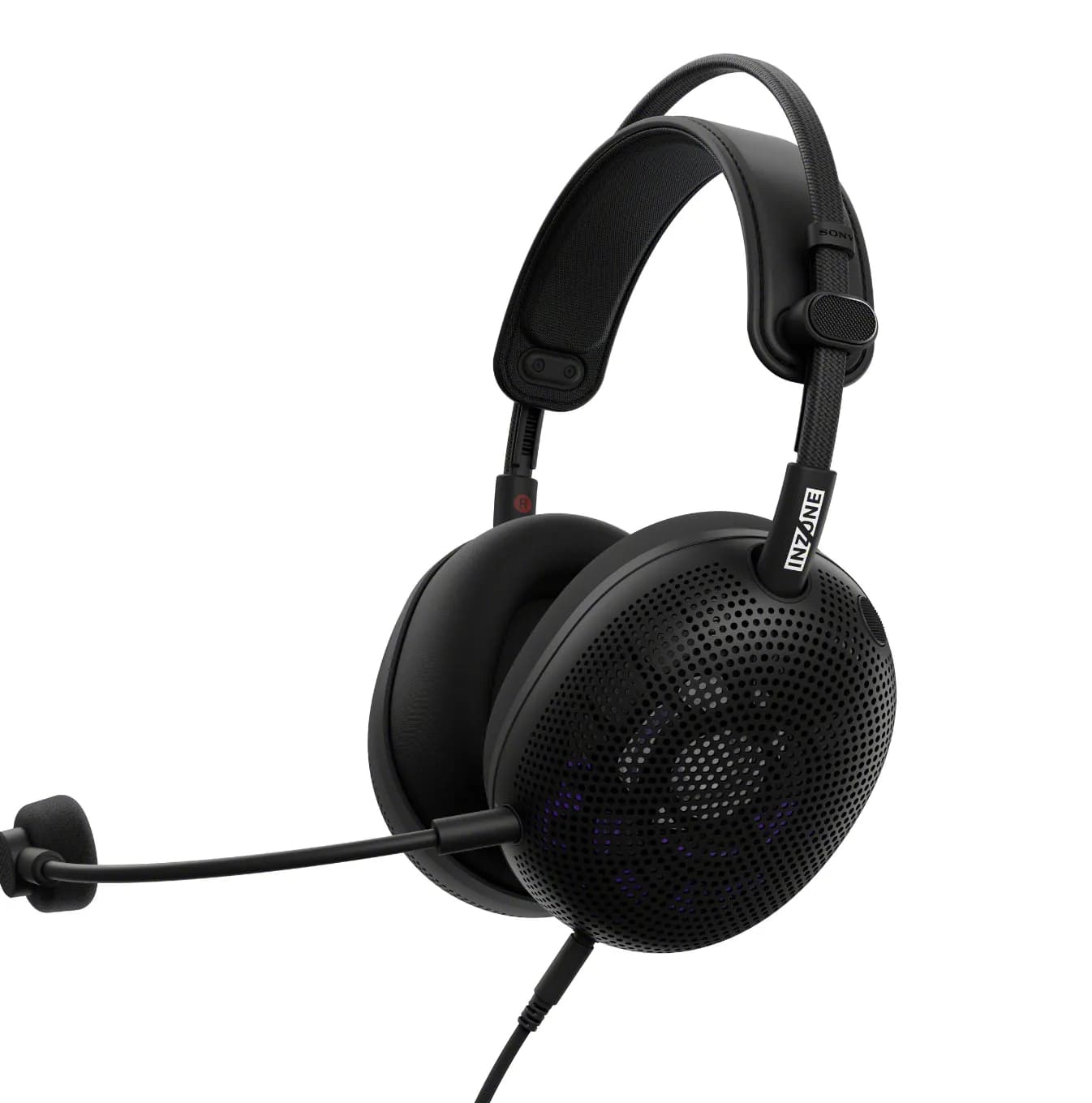
Sony just dropped the H6 Air, a $200 open-back gaming headset that borrows drivers from its professional MDR-MV1 studio cans. It's wired, crazy light at 200 grams, and sounds way more natural than your typical gaming headset. The catch? Open-back means everyone around you can hear your game audio.
So here's the thing about gaming headsets: most of them sound like garbage. They've got flashy RGB, maybe some questionable "7.1 surround" marketing speak, and bass that sounds like it's being pumped through a tin can. Sony's InZone brand has been quietly building a reputation for actually caring about audio quality, and the new H6 Air might be their most interesting release yet.
What Makes Open-Back Different
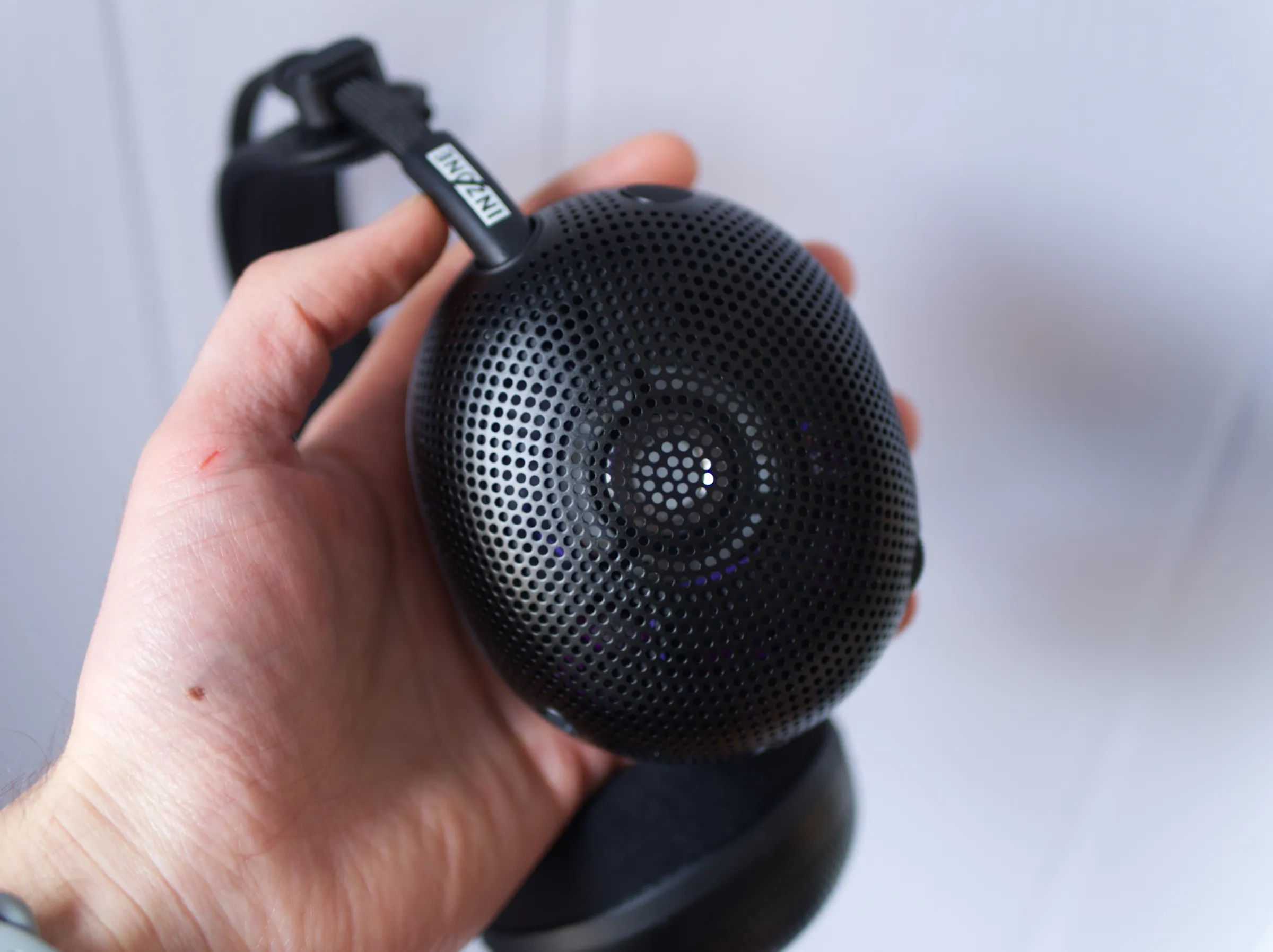
If you've never tried open-back headphones, the concept seems counterintuitive. Why would you want headphones that leak sound? But audiophiles have known for decades that open-back designs produce a more natural, spacious soundstage. The drivers can breathe. Sound doesn't get all compressed and weird bouncing around inside sealed cups.
The tradeoff is obvious though. Your roommate will hear every gunshot in your game. Your cat will judge you for your Spotify playlists. And if someone's vacuuming in the next room, you're going to hear it. Open-back headsets are for quiet environments where you want the best possible audio experience, not for drowning out the world.
✅ Pros
- • Studio-grade drivers from the MDR-MV1 professional headphones
- • Incredibly light at just 200 grams
- • More natural, expansive soundstage than closed-back alternatives
- • Same comfortable design as the $350 H9 II flagship
- • Ears stay cool during long sessions
❌ Cons
- • Zero noise isolation means outside sounds bleed in
- • Wired only, no wireless option
- • USB-C adapter has beta software audio glitches
- • Not great if you game in noisy environments
Those Studio Drivers Are the Real Story
Here's where things get interesting. Sony didn't just slap some generic drivers in the H6 Air and call it a day. They pulled the exact same drivers from their MDR-MV1 headphones. Those are $400 open-back cans designed for audio editors and music producers who need reference-level accuracy. The kind of people who can hear when a mix is off by fractions of a decibel.
You might think studio monitors would sound flat and boring for gaming. That's a fair concern. But after about two weeks of testing, the verdict from early users is that these drivers deliver plenty of bass without muddying up the mids and highs. Footsteps in competitive shooters come through crystal clear. Music sounds expansive in a way that makes you notice details you'd missed before.
The Comfort Factor
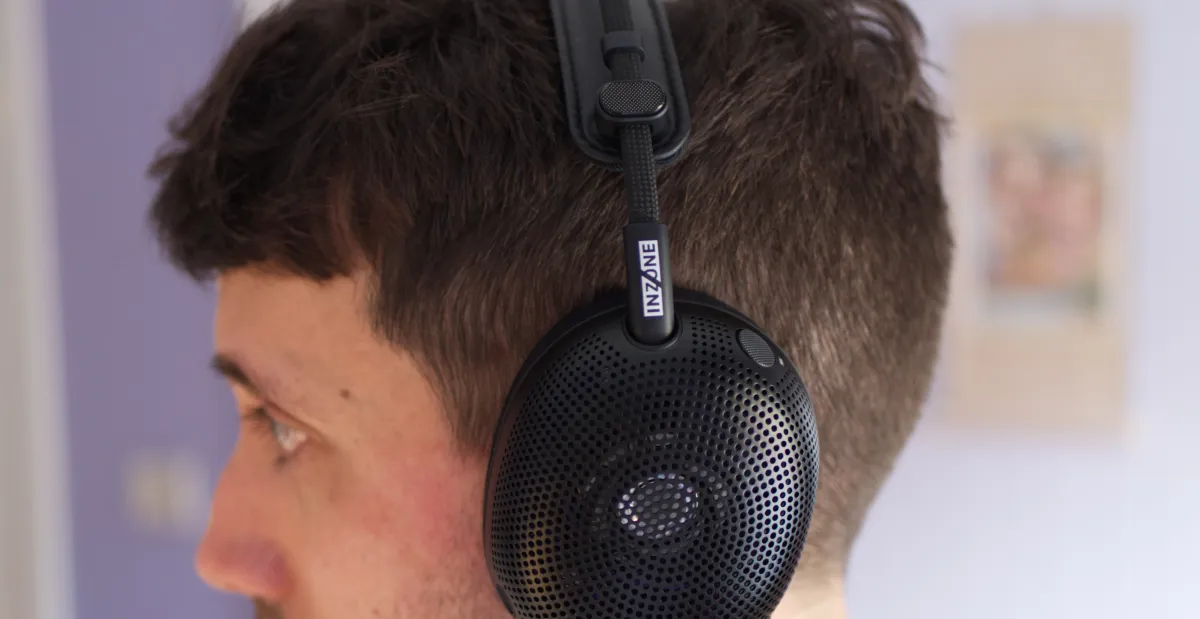
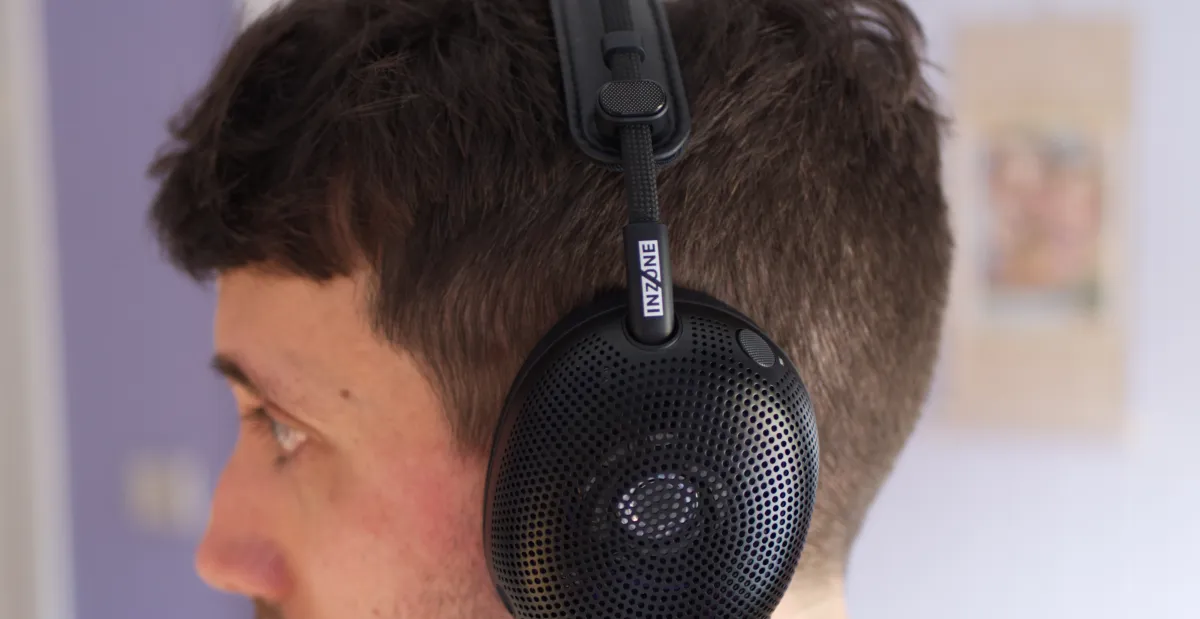
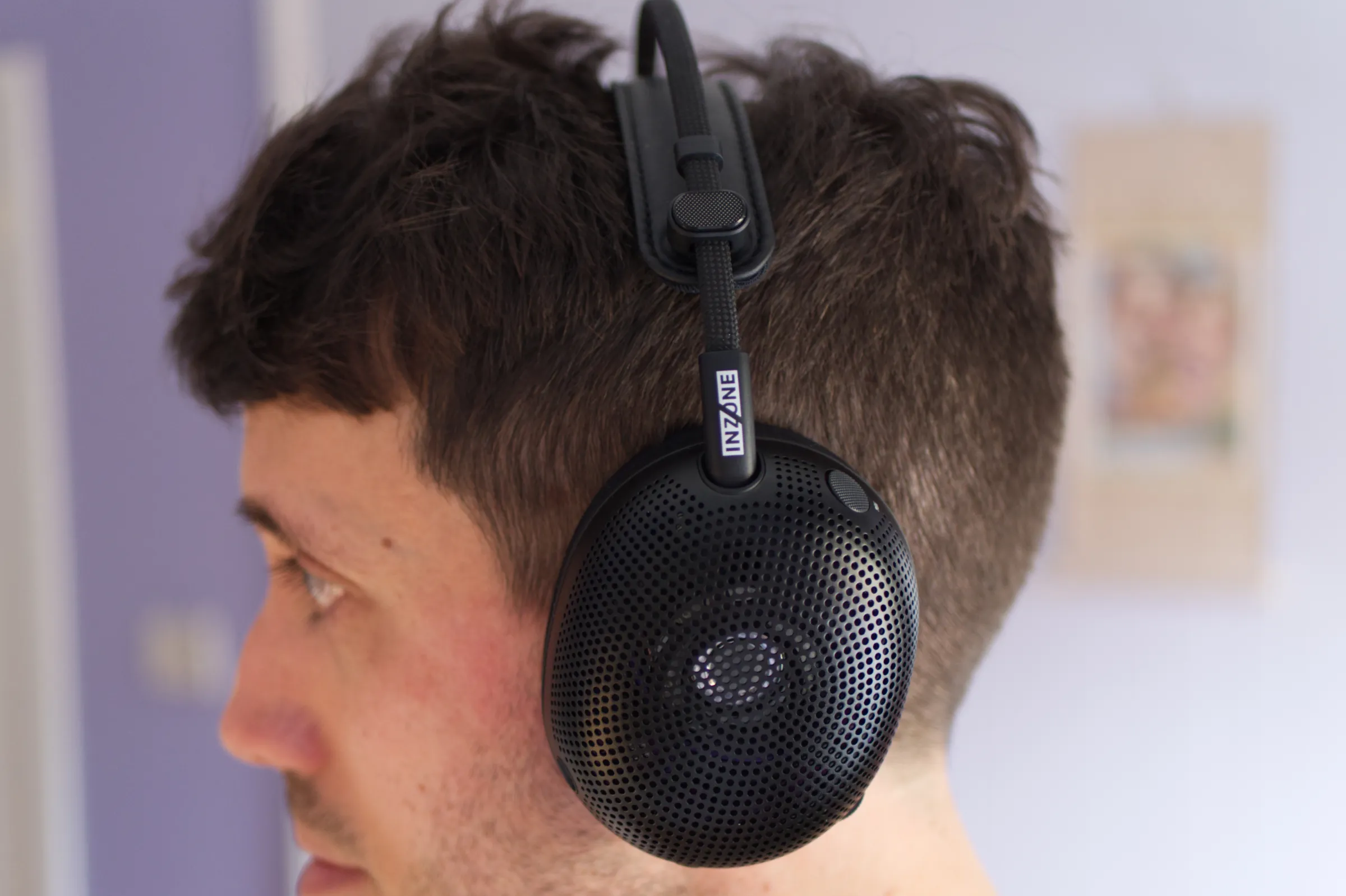
Gaming sessions can run long. Really long. And nothing kills immersion faster than headphones that make your ears feel like they're in a sauna. The H6 Air weighs around 200 grams, which puts it on the lighter end of gaming headsets. That matters more than you'd think after hour three of a session.
Sony borrowed the adjustable headband design from their flagship $350 H9 II wireless headset. It's an easy adjustment system that doesn't require you to fiddle with notches or guess at sizing. Just put it on and the fit sort of figures itself out. The open-back design also means air circulates around your ears instead of creating that gross, sweaty seal you get with closed-back cans.
Software Situation Needs Work
Look, I've got to be honest about this part. The H6 Air sounds great out of the box, but if you want to tweak EQ settings and really dial things in, you'll need Sony's InZone Hub desktop app. And that means using the included 3.5mm-to-USB-C adapter.
Beta Software Warning
The current InZone Hub software is still in beta and has some issues. Users report audio blips and glitches when loading apps or scrolling in browsers while using the USB-C adapter. These issues disappear when connecting directly via 3.5mm. Sony will likely patch this, but it's worth knowing before you buy.
The weird thing is that these audio artifacts only show up when using the USB-C adapter with the beta software. Plug the 3.5mm jack directly into your PC and everything's smooth. So you've got a choice: pristine audio without customization, or EQ options with occasional weirdness. Hopefully Sony sorts this out soon.
If you're building out a Sony InZone setup, their new 540Hz gaming monitor pairs perfectly with the H6 Air
Who Should Actually Buy This
The H6 Air isn't for everyone, and that's fine. If you game in a noisy apartment, have loud roommates, or just prefer to block out the world when you play, stick with a closed-back headset. Noise isolation exists for a reason.
But if you've got a quiet gaming space and you're tired of headsets that make everything sound compressed and artificial? This is a legitimately compelling option. You're getting studio-quality drivers for $200. That's kind of wild when you think about it.
- Competitive FPS players who need to hear every footstep clearly
- Audio enthusiasts who want gaming gear that doesn't sound like gaming gear
- Anyone who games in a quiet environment and hates sweaty ear cups
- Music lovers who want one headset for gaming and listening
- People who already own Sony InZone gear and want matching peripherals
How It Stacks Up
| Spec | Sony H6 Air | Sony H9 II | Typical Gaming Headset |
|---|---|---|---|
| Price | $199.99 | $349.99 | $100-150 |
| Design | Open-back | Closed-back | Closed-back |
| Connection | Wired (3.5mm) | Wireless | Varies |
| Weight | ~200g | ~300g | 250-350g |
| Driver Source | MDR-MV1 studio | Custom | Generic |
The Bottom Line
Sony's taking a real swing here. Open-back gaming headsets are still pretty niche, and there aren't many options in this space. The H6 Air fills a gap for gamers who care about audio quality and don't need noise isolation. At $200, it's cheaper than the wireless H9 II and arguably sounds better thanks to the open-back design.
The beta software issues are annoying but temporary. The lack of wireless might be a dealbreaker for some. But if you just want great audio, serious comfort, and you don't mind a cable, the H6 Air deserves a spot on your shortlist. Sony's InZone brand keeps proving they actually understand what gamers want from audio gear.
Frequently Asked Questions
Is the Sony H6 Air wireless?
No, it's wired only with a 3.5mm connection. You can use the included USB-C adapter for software EQ control.
Can people around me hear my game audio?
Yes, open-back headsets leak sound by design. Your roommates and family will definitely hear what you're playing.
Are the drivers really from Sony's studio headphones?
Yep. Sony used the same drivers from their $400 MDR-MV1 reference headphones designed for professional audio work.
Does it work with PlayStation?
The 3.5mm connection works with PS5's controller, but InZone is primarily a PC-focused brand. Full software features require a Windows PC.
Manaal Khan
Tech & Innovation Writer
Produced with AI assistance and reviewed by the Logicity editorial team. Learn more in our Editorial Policy.