Key Takeaways
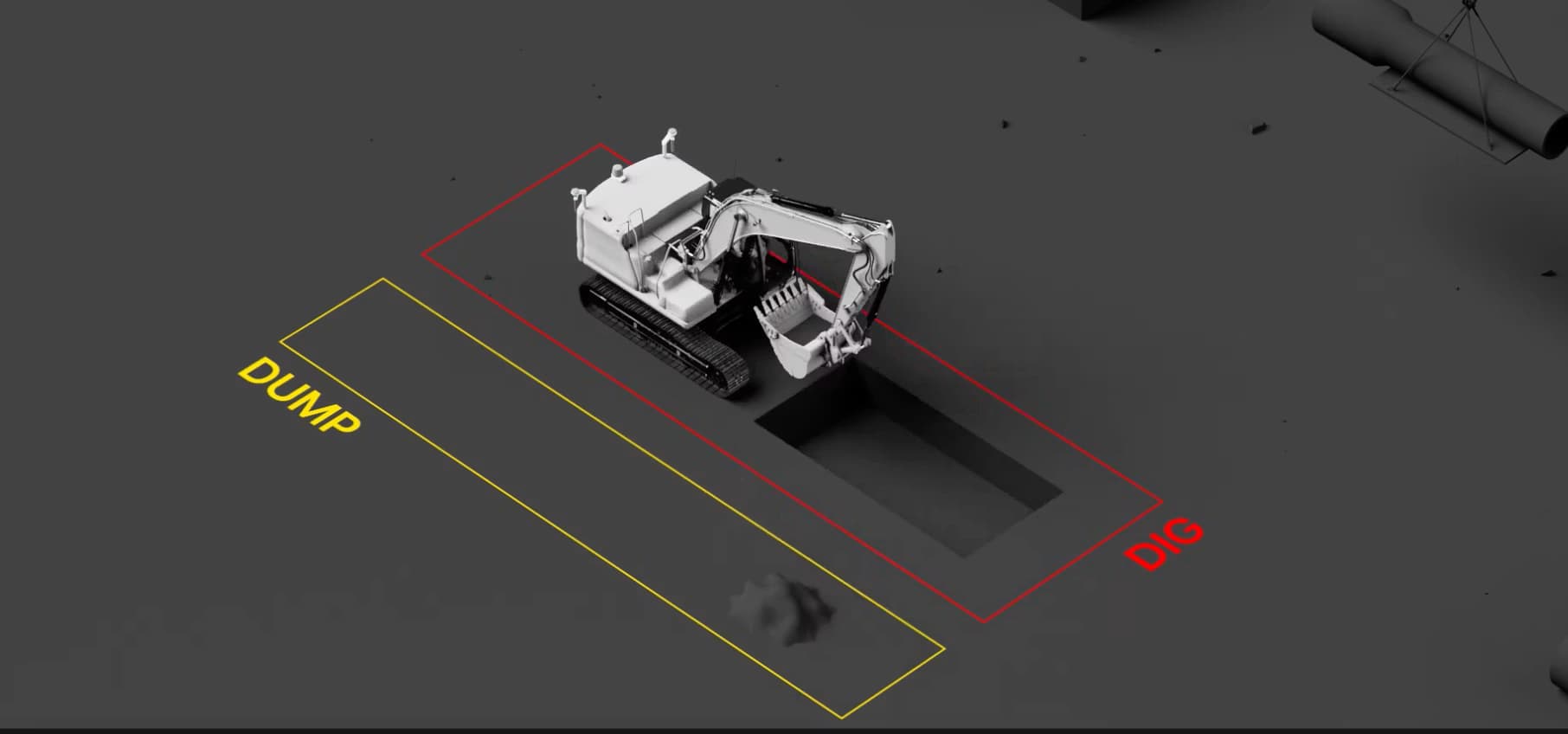
- SoftBank is considering acquiring Gravis Robotics, an ETH Zurich spinout, at a valuation exceeding $500 million
- Gravis raised $23M in November 2025 and builds autonomous systems for excavators and heavy machinery
- European robotics funding hit €1.6B in 2025, up 110% year-over-year
SoftBank is in discussions to acquire Gravis Robotics, a Swiss autonomous machinery startup spun out of ETH Zurich, at a valuation exceeding $500 million, Bloomberg reported today. The deal would come just eight months after Gravis closed a $23 million Series A round.
No final decisions on deal size or structure have been made, according to people familiar with the discussions. Neither SoftBank nor Gravis Robotics has commented publicly.
What does Gravis Robotics actually build?
Founded in 2022, Gravis develops an autonomous platform that retrofits existing heavy industrial vehicles. The pitch: turn any excavator, bulldozer, or earthmoving machine into a robot without buying new equipment. Target industries include construction, mining, and agriculture, all sectors facing chronic labor shortages and safety concerns.
The technology originated at ETH Zurich, one of Europe's top technical universities. Gravis counts IQ Capital, Armada Investment Group, Zacua Ventures, and building materials manufacturer Holcim among its backers. That last investor signals strategic interest from incumbents who would actually deploy these systems.
Why SoftBank wants into construction robotics
SoftBank's interest fits a pattern. The Japanese conglomerate has poured billions into robotics through its Vision Fund, owning Boston Dynamics outright and holding stakes in warehouse automation companies. Construction and mining represent massive markets where automation lags behind manufacturing.
A $500 million valuation would represent roughly 22x Gravis's last funding round. That multiple looks aggressive for a four-year-old company, but reflects how few startups have cracked autonomous heavy machinery. Most competitors focus on smaller warehouse robots or last-mile delivery, not 40-ton excavators.
European robotics funding is surging
Gravis is part of a broader wave. European robotics companies raised €1.6 billion in 2025, up 110% from the €761 million they secured in 2024. The sector has attracted capital as labor costs rise and industrial companies seek productivity gains that software alone cannot deliver.
| Metric | 2024 | 2025 | Change |
|---|---|---|---|
| European robotics funding | €761M | €1.6B | +110% |
| Gravis Robotics valuation (reported) | N/A | $500M+ | — |
| Gravis last round (Nov 2025) | — | $23M | — |
For founders, the Gravis story offers a template: deep technical IP from a top university, a retrofit approach that lowers customer adoption friction, and strategic investors from the target industry. If the acquisition closes, it would rank among the largest European robotics exits in recent years.
Understanding how AI systems require structured knowledge graphs applies directly to autonomous robotics decision-making
What this means for deep-tech spinouts
ETH Zurich has produced a string of successful spinouts, from Google-acquired Schaft to drone company Wingtra. The university's robotics program ranks among the world's best, giving graduates both technical credibility and a network of investors who specialize in commercializing academic research.
A SoftBank acquisition would validate the university-to-startup pipeline for hardware companies, which typically require more capital and longer timelines than software ventures. It would also give SoftBank a European base for construction robotics, potentially important as EU regulations around autonomous industrial equipment evolve.
Logicity's Take
The 22x valuation jump in eight months looks frothy until you consider what Gravis solves. Construction faces a structural labor shortage that will not reverse. Autonomous systems that retrofit existing fleets, rather than requiring full equipment replacement, have a fundamentally easier sales motion. For founders watching this deal: the lesson is less about robotics specifically and more about finding industries where the customer's alternative is 'do nothing and watch margins erode.' That desperation makes for faster enterprise sales cycles.
What happens next
The deal remains unconfirmed. SoftBank has walked away from acquisitions before, and Gravis may prefer to remain independent and raise more venture capital. Given its November funding round, the company has runway and is not under pressure to sell.
If SoftBank does close the acquisition, expect the company to accelerate Gravis's expansion beyond Europe. SoftBank's portfolio companies benefit from its network in Asia and the Middle East, where construction spending is substantial and labor arbitrage makes automation even more attractive.
Frequently Asked Questions
What does Gravis Robotics do?
Gravis Robotics develops autonomous systems that retrofit existing excavators, bulldozers, and heavy machinery, turning them into robots without requiring new equipment purchases.
How much is SoftBank paying for Gravis Robotics?
Bloomberg reports the deal could value Gravis at more than $500 million, though no final terms have been agreed.
When was Gravis Robotics founded?
Gravis was founded in 2022 as a spinout from ETH Zurich.
How much funding has Gravis Robotics raised?
The company raised a $23 million round in November 2025, backed by IQ Capital, Armada Investment Group, Zacua Ventures, and Holcim.
Why is SoftBank interested in construction robotics?
SoftBank has invested heavily in robotics through its Vision Fund, including Boston Dynamics. Construction and mining represent large markets with limited automation and chronic labor shortages.
Need Help Implementing This?
Building a deep-tech startup or planning your fundraising strategy? Contact Logicity's advisory team for introductions to investors who specialize in hardware and robotics ventures.
Source: Sifted
Huma Shazia
Senior AI & Tech Writer
Produced with AI assistance and reviewed by the Logicity editorial team. Learn more in our Editorial Policy.