Key Takeaways
- Snap stock fell 9.7% after announcing AR glasses priced at $2,195, more than triple Meta's Ray-Ban smart glasses
- CEO Evan Spiegel defended the price by comparing Specs to high-end laptops, not consumer gadgets
- Snap laid off 1,000 employees in April 2026, raising questions about R&D spending on premium hardware
Snap's stock plunged 9.7% on June 16, 2026, after the company unveiled its long-awaited Specs AR glasses with a $2,195 price tag. The hardware debut, more than a decade in the making, immediately triggered investor skepticism about whether Snapchat's teenage user base could afford the product.
Shares fell from $5.86 on Tuesday to a low of $4.83 by Wednesday morning. As of publication, the stock had not recovered to its pre-announcement level. The drop compounds a rough year for Snap, which has seen its share price decline 30% over the past twelve months.
Why investors are worried about Snap Specs pricing
The core problem is math. Snap's primary audience is teenagers and young adults. The $2,195 price point puts Specs far out of reach for most of them. For context, Meta's Ray-Ban smart glasses retail for around $300. Apple's Vision Pro costs $3,499, but Apple targets professionals and enthusiasts with disposable income, not Gen Z.
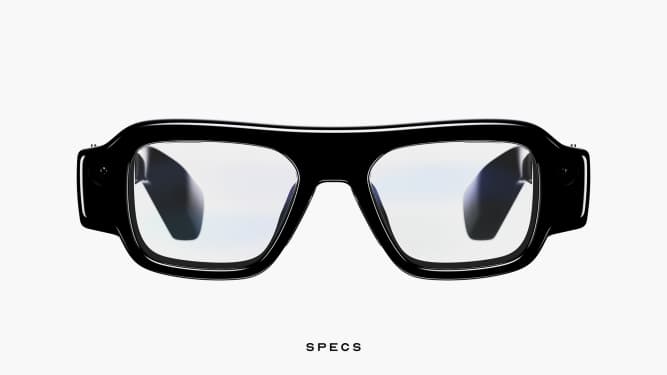
Online reaction reflected this disconnect. On Reddit's r/gadgets and Hacker News, users expressed shock at the pricing and questioned who the target customer actually is. Multiple threads noted the 4-hour battery life and what some described as a bulky design relative to conventional eyewear.
Spiegel's defense: think of it as a computer, not glasses
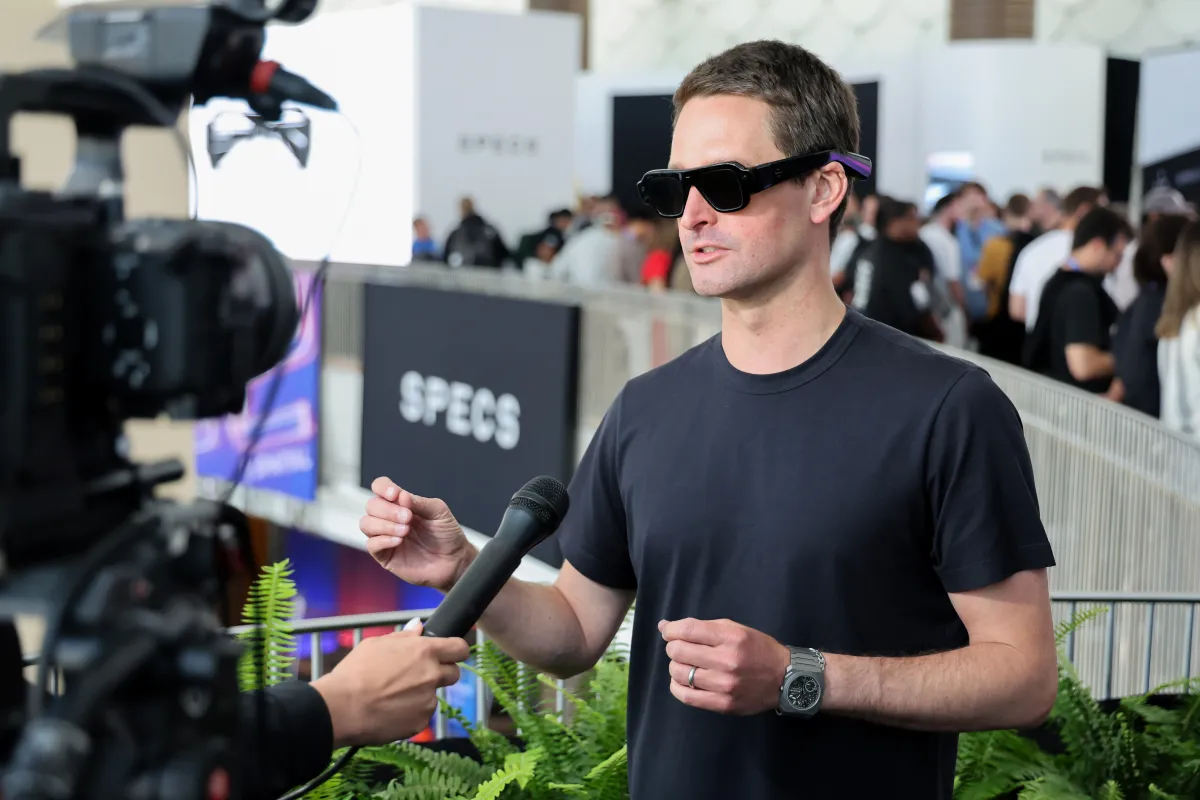
CEO Evan Spiegel appeared on CNBC wearing the new Specs and offered his justification for the pricing strategy.
“The most important way to think of Specs is as a computer, and so they're comparably priced to other high-end computers or high-end laptops.”
— Evan Spiegel, CEO of Snap Inc.
Spiegel positioned Specs as occupying a middle ground in the AR market. Meta's Ray-Bans are cheap but limited in compute power. Apple's Vision Pro is powerful but expensive and bulky. Specs, he argued, delivers both wearability and capability for immersive computing.
The argument makes technical sense but sidesteps the business question. High-end laptop buyers are often professionals or students making productivity investments. Snapchat users are typically neither. Spiegel is asking them to reframe what Specs is, rather than addressing whether they can pay for it.
The layoffs loom large over this launch
Snap laid off 1,000 employees in April 2026. The cuts came as the company's advertising business faced ongoing pressure. Launching expensive hardware while trimming staff sends a mixed message to investors: Is Snap doubling down on an unproven product category while its core revenue source struggles?
Some community discussion pointed to the reported collapse of a rumored partnership with Perplexity AI during Specs' final development. If true, this could indicate internal turbulence that complicated the product's go-to-market strategy. Snap has not commented on the partnership reports.
How Specs compares to the competition
| Device | Price | Primary Audience | Form Factor |
|---|---|---|---|
| Snap Specs | $2,195 | Unclear (Snap users) | Glasses |
| Meta Ray-Ban | ~$300 | Mainstream consumers | Glasses |
| Apple Vision Pro | $3,499 | Developers, enthusiasts | Headset |
The pricing gap between Specs and Meta's offering is the immediate concern. Meta has the distribution, brand recognition in hardware, and a price point that impulse buyers can stomach. Snap has never succeeded at hardware at scale. The original Spectacles sunglasses, launched in 2016, generated hype but not meaningful revenue.
What happens next for Snap's hardware ambitions
Snap needs to answer two questions in the coming quarters. First, can it find a professional or enterprise niche for Specs that justifies the price? Second, can it bring costs down fast enough to reach mainstream consumers before competitors dominate the category?
The stock market has already rendered its initial verdict. Whether Snap can change that narrative depends on sales figures that won't arrive for months. Until then, the $2,195 number will define the conversation.
Logicity's Take
Spiegel is making a bet that most consumer hardware companies avoid: launching at premium pricing before economies of scale kick in. Apple did this with Vision Pro, but Apple has services revenue and a loyal upgrade cycle to absorb a slow hardware ramp. Snap does not. The real test is whether Specs can generate developer interest and enterprise pilots before the cash runway becomes a problem. If Snap cannot show traction within two quarters, expect pressure to pivot or partner.
Frequently Asked Questions
How much do the new Snap Specs AR glasses cost?
Snap Specs retail at $2,195, making them more than triple the price of Meta's Ray-Ban smart glasses but less expensive than Apple's $3,499 Vision Pro.
Why did Snap stock drop after the Specs announcement?
Investors are concerned that Snap's core teenage user base cannot afford $2,195 glasses, raising questions about the product's path to profitability.
How long does the Snap Specs battery last?
Community reports indicate the Specs have a 4-hour battery life, which some users have criticized as insufficient for all-day use.
How many employees did Snap lay off in 2026?
Snap laid off 1,000 employees in April 2026, adding to investor anxiety about the company's financial health and R&D spending priorities.
What is Evan Spiegel's justification for the Specs price?
Spiegel argues that Specs should be viewed as a computer comparable to high-end laptops, not as a consumer gadget, and that it offers a balance between Meta's cheaper but less powerful glasses and Apple's expensive headset.
Another example of tech companies facing investor pressure over expensive bets that haven't proven ROI
Contrasting hardware pricing strategy from a major tech company targeting mainstream consumers
Need Help Implementing This?
Building AR experiences or evaluating hardware strategy for your organization? Logicity's consulting partners work with product teams navigating the wearable computing space. Contact us for introductions to specialists in AR development and go-to-market strategy.
Source: TechCrunch / Lucas Ropek
Manaal Khan
Tech & Innovation Writer
Produced with AI assistance and reviewed by the Logicity editorial team. Learn more in our Editorial Policy.




