Key Takeaways
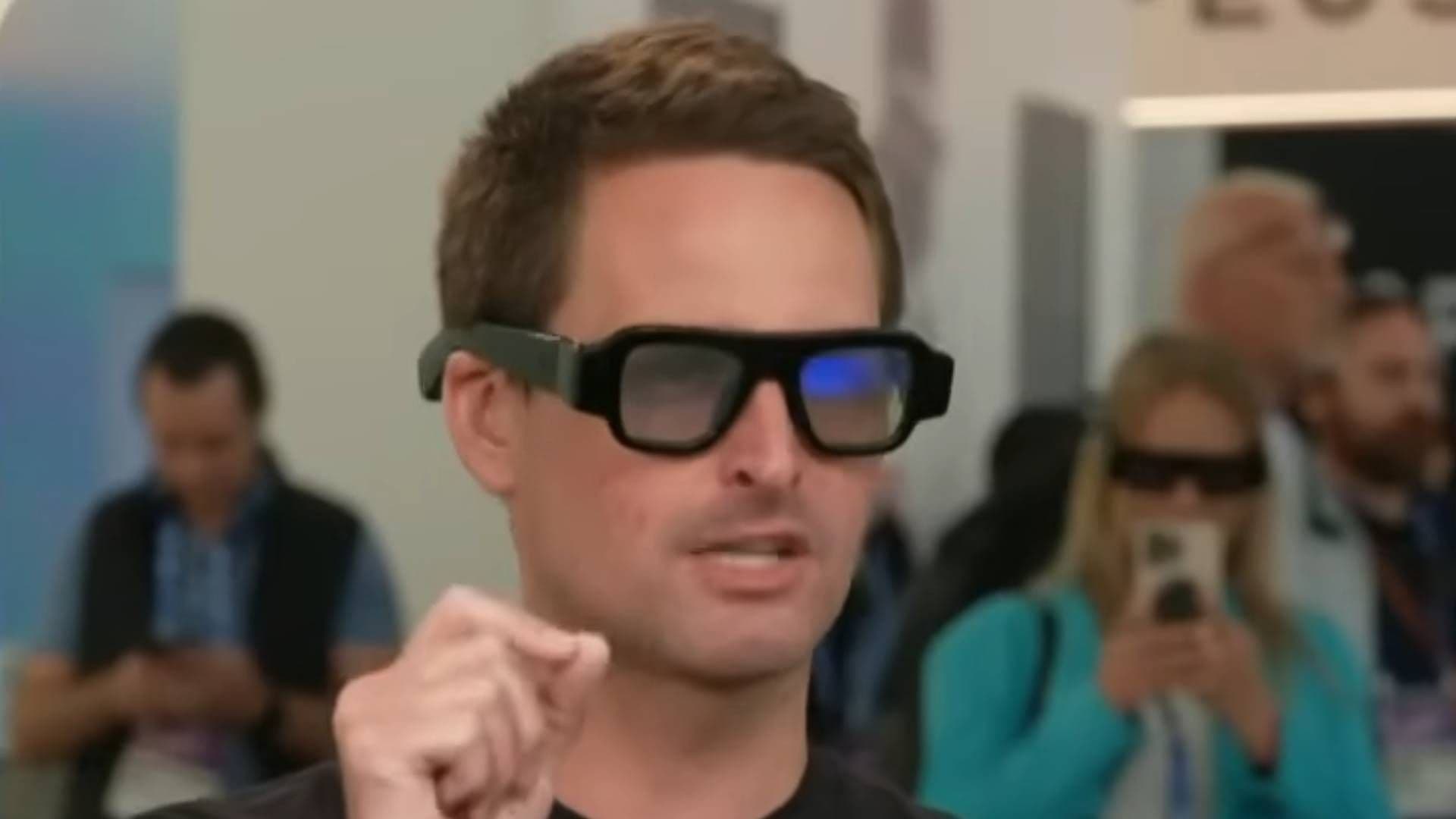
- Snap's new AR Specs cost $2,195 and pack dual Snapdragon processors for standalone operation
- Battery life is limited to 4 hours of mixed use, with a charging case adding 20 hours total
- Snap's stock declined for six straight sessions following the June 16 reveal
Snap's new AR Specs cost $2,195 and promise to replace your phone screen with floating 115-inch displays. There's just one problem: CEO Evan Spiegel's demo video shows the chunky frames visibly pressing into his earlobes. He called them "highly wearable." The footage suggests otherwise.
The company unveiled Specs on June 16, positioning the device as a way to escape the habit of staring down at a phone. Snap wants to put computing in your peripheral vision instead of your pocket. The pitch sounds good until you see the hardware required to deliver it.
What do the Snap AR glasses actually contain?
The bulk isn't accidental. Specs houses two Snapdragon processors: one dedicated to computer vision, the other to running Snap's AR "Lenses." This dual-chip setup enables 7-millisecond motion-to-photon latency, which Snap verified through robotic measurement systems. That's genuinely fast for consumer AR hardware.
The device weighs 132 grams, significantly heavier than regular eyewear. Traditional glasses weigh 20-40 grams. Snap is asking users to carry roughly four times that weight on their face.
"This is a new opportunity to bring computing to the world around you, not just trapped in your pocket," Spiegel said in the announcement. The frames also deliver a 51-degree diagonal field of view through waveguide displays. Snap claims the lenses create the experience of a 24-inch desktop monitor for work or a 115-inch home cinema screen placed about 10 feet away for video.
Why is the battery life so short?
Four hours. That's what you get from mixed use, including audio, video playback, AR lenses, AI assistance, and Bluetooth notifications. The charging case provides four additional charges, totaling 20 hours of battery away from a wall outlet. Still, the device itself dies before a typical workday ends.
The power draw makes sense given the hardware. Running two processors, waveguide displays, and spatial sensors takes juice. Snap made a trade-off: keep everything self-contained (no external battery pack, no tether cable) and accept shorter runtime.
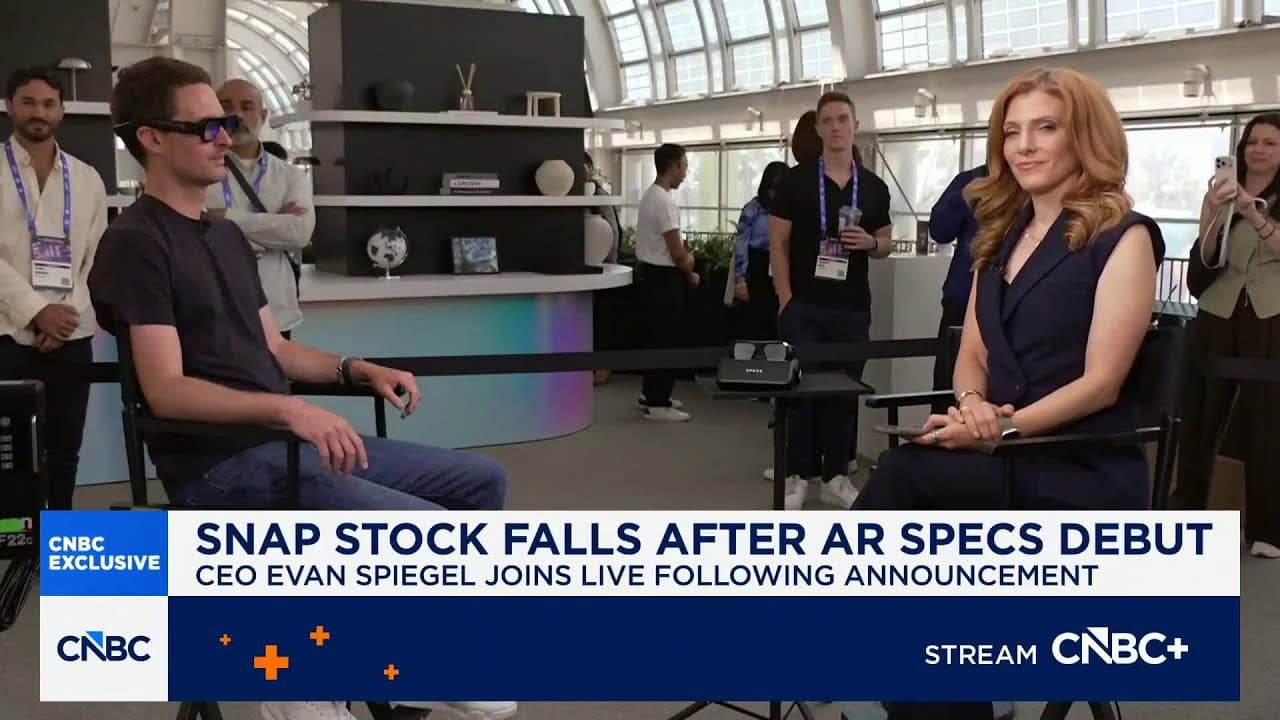
How did the market react to the announcement?
Not well. Snap's stock dropped for six consecutive trading sessions after the June 16 reveal, according to Seeking Alpha. Investors apparently weren't convinced that a $2,195 AR headset with ear-crushing aesthetics represents Snap's path to profitability.
The price point targets developers and high-end enthusiasts rather than mainstream consumers. That's a reasonable strategy for cutting-edge hardware, but it limits the addressable market. Apple's Vision Pro took the same approach at $3,499, and even that device, with Apple's retail distribution and brand loyalty, remains a niche product.
What are developers saying about Specs?
The developer community is more optimistic than general consumers. On Reddit's r/technology and related subreddits, reactions split clearly: skepticism about the $2,195 price for something uncomfortable to wear, but praise for the technical specifications. The low motion-to-photon latency impressed developers who see potential for industrial and specialized applications even if the consumer design isn't ready.

Snap's key selling point is the all-in-one design. Unlike some competing AR glasses that require an external processing unit or tethered smartphone, Specs operates independently. That freedom comes at the cost of weight and battery life.
Where does this leave Snap's AR ambitions?
Snap has iterated on Spectacles for years, evolving from simple camera glasses to a full AR computing platform. This $2,195 model represents a clear pivot toward enterprise and prosumer markets. The company isn't pretending this is a mainstream consumer device.
The disconnect between marketing and reality remains awkward. Spiegel describing visibly uncomfortable hardware as "highly wearable" invites the exact mockery the company received. A more honest approach, acknowledging the trade-offs while emphasizing the technical achievement, might have landed better.
Logicity's Take
Snap's technical achievement here is real: standalone AR with 7ms latency in glasses form factor is hard. But the company undermined itself by overselling comfort when the video showed the opposite. They'd have been better off saying "this is for developers and early adopters willing to tolerate current limitations" rather than pretending the form factor is ready for daily wear. The six-session stock decline suggests investors noticed the gap between pitch and product.
Frequently Asked Questions
How much do Snap's new AR Specs cost?
Snap's AR Specs retail for $2,195, targeting developers and high-end enthusiasts rather than mainstream consumers.
What is the battery life of Snap AR glasses?
The glasses last 4 hours on a single charge with mixed use. The included charging case provides four additional charges for a total of 20 hours away from an outlet.
Do Snap Specs require a phone or external processor?
No. Specs is an all-in-one device with no puck or tether required. It houses two Snapdragon processors internally for standalone operation.
How heavy are the Snap AR Specs?
The glasses weigh 132 grams, roughly three to four times heavier than traditional eyewear.
What is the field of view on Snap AR glasses?
Specs delivers a 51-degree diagonal field of view through waveguide displays.
Need Help Implementing This?
If you're exploring AR development or evaluating hardware for enterprise applications, Logicity can connect you with implementation partners. Reach out through our contact page for tailored guidance on emerging display technologies.
Source: PCGamer latest
Huma Shazia
Senior AI & Tech Writer
Produced with AI assistance and reviewed by the Logicity editorial team. Learn more in our Editorial Policy.