Key Takeaways
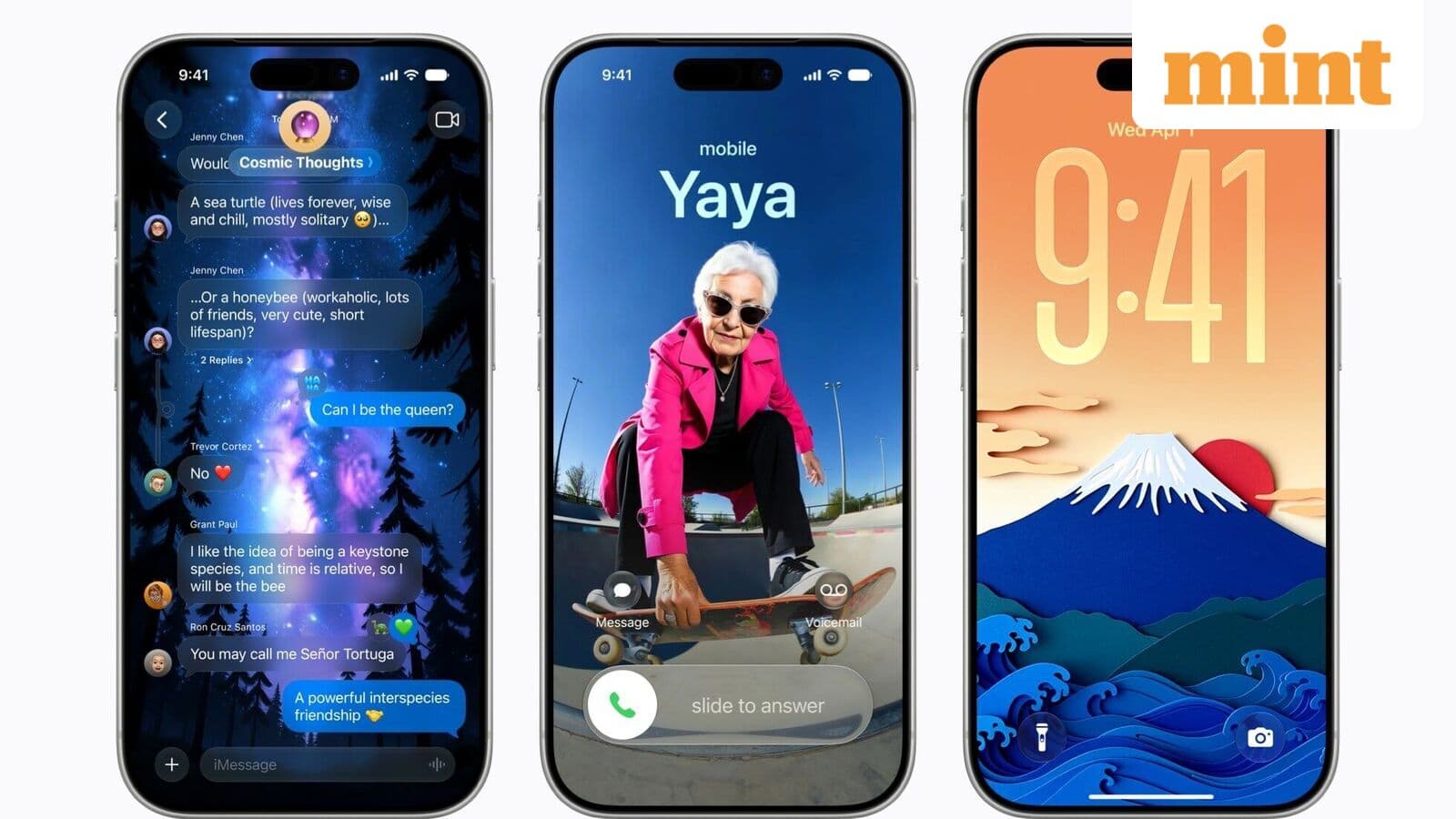
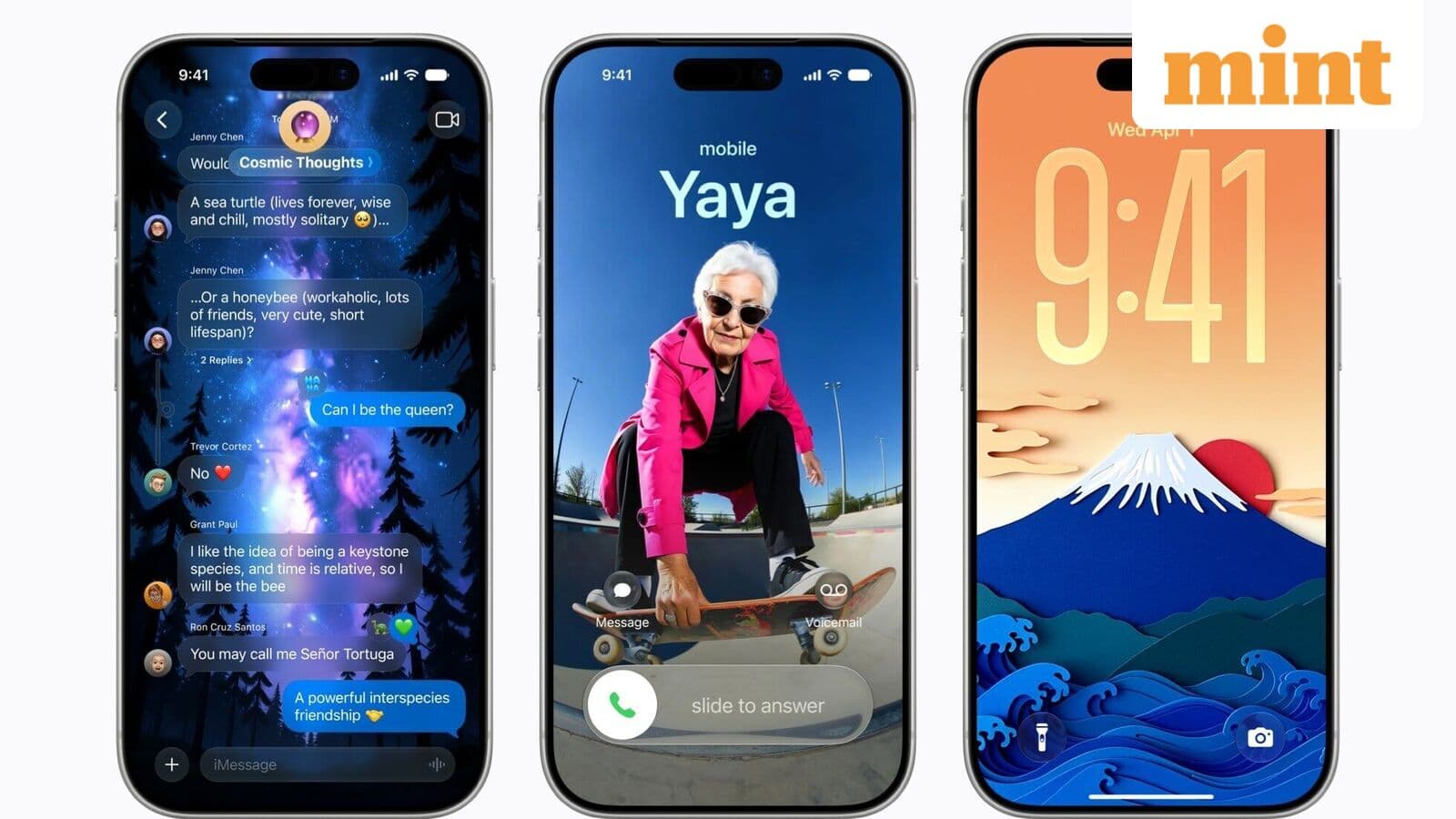
- Siri is now officially Siri AI, powered by a custom Google Gemini model
- The assistant moves into Dynamic Island with new animations and on-screen awareness
- A standalone Siri app syncs conversations across iPhone, iPad, Mac, Watch, and Vision Pro
Siri Gets a New Name and a New Brain
Apple's voice assistant is no longer just Siri. At WWDC 2026, the company rebranded it as Siri AI and confirmed what many had suspected: it now runs on a custom Google Gemini model. This marks the first time Apple has integrated a third-party AI model into its core operating system.
The changes go beyond branding. Siri AI gains three capabilities Apple users have wanted for years: personal context, on-screen awareness, and in-app actions. The assistant can now see what's on your screen and act on it.
“The future of Siri isn't just about voice; it's about context, awareness, and acting on your behalf before you even ask.”
— Craig Federighi, SVP of Software Engineering at Apple
Dynamic Island Becomes Siri's Home
Siri AI now lives inside the Dynamic Island on iPhones. The pill-shaped cutout expands with new animations as users interact with the assistant. You can still say "Hey Siri," but two new options arrive: swiping down from the Dynamic Island or pressing the side button.
Apple describes the new Siri as "more conversational." It can brainstorm ideas, refine plans, and generate detailed itineraries. On iPad and Mac, Siri AI integrates into Spotlight, letting users ask questions about images, files, or text visible on screen.
A Standalone App for Conversations
Siri AI gets something it never had: a dedicated app. The new app shows a list of past conversations with the assistant. A pencil icon at the bottom starts a new chat.
The app works across iPhone, iPad, Apple Watch, Apple Vision Pro, and Mac. Start a conversation on your phone, continue it on your laptop. This puts Siri closer to how ChatGPT or Claude work, with persistent conversation history.
Camera App Gets Siri Vision
The iPhone Camera app now includes a Siri mode. Point your camera at an object, location, document, or food item and ask questions about what you see. Apple showed two specific use cases.
- Bill splitting: Siri can analyze restaurant bills and split expenses with friends using Apple Cash
- Nutritional information: Point at your plate and Siri provides nutrition data for what's visible
Writing Tools Learn Your Style
Siri now powers system-wide Writing Tools across Apple devices. These tools accept natural language prompts to generate text, edit drafts, and proofread messages before sending.
Apple claims the tool adapts to each user's writing style. It analyzes how you communicate with different people, noting your tone and punctuation patterns across conversations. Whether this feels helpful or creepy likely depends on your privacy tolerance.
Photos App Gets Smarter Clean Up
Apple's AI eraser feature, called Clean Up, has existed for a couple of years. At WWDC 2026, the company said it "works much better than before." The Photos app also loads libraries faster, with Apple citing a 70% improvement in loading speeds due to AI-optimized caching.
iOS 27 and macOS Golden Gate
The software updates housing these features arrive as iOS 27 and macOS Golden Gate. Beyond Siri AI, Apple provided AI upgrades to Safari, Messages, Calendar, Home, and Shortcuts apps. The keynote ran over an hour but focused heavily on the Siri rebuild.
App launch speeds improved 30% on average compared to previous versions. These performance gains, combined with the Siri overhaul, represent Apple's biggest software leap in years.
Complete overview of everything Apple announced
The Privacy Question
Reddit's r/apple community is already debating the privacy implications of on-screen awareness. If Siri can see everything on your screen, what data goes to Apple's servers? What goes to Google? The Apple-Google partnership raises architectural questions about local processing versus cloud requests.
HackerNews users are focused on the hybrid model integration. Apple has historically emphasized on-device processing for privacy. Adding Gemini complicates that story.
More details on how Apple Intelligence extends across apps
Tim Cook's Final WWDC
This keynote carried extra weight. Apple confirmed it was Tim Cook's final WWDC before his scheduled departure in September 2026. The "All Systems Glow" theme marked a transition point, not just for the software, but for the company's leadership.
Logicity's Take
Frequently Asked Questions
What is Siri AI?
Siri AI is Apple's rebranded voice assistant, now powered by a custom Google Gemini model with on-screen awareness and in-app actions.
When is iOS 27 coming out?
Apple announced iOS 27 at WWDC 2026. Following Apple's typical schedule, the public release should arrive in September 2026.
Does Siri use Google Gemini now?
Yes. Apple confirmed Siri AI runs on a custom Gemini model, marking the first third-party AI integration in Apple's core OS.
What devices get the standalone Siri app?
The Siri AI app works on iPhone, iPad, Apple Watch, Apple Vision Pro, and Mac with synced conversation history across devices.
Can Siri see what's on my screen?
Yes. Siri AI gains on-screen awareness, letting it answer questions about visible content and take actions within apps.
Need Help Implementing This?
Source: mint / Aman Gupta
Additional Siri AI Capabilities and Spotlight Integration
The new article provides specific functional examples of the camera integration (nutrition info and bill splitting) and the writing assistance feature. It also clarifies that Siri AI will be integrated directly into Spotlight on Macs with the ability to differentiate between standard and AI requests, and mentions the upcoming rollout with iOS 27.
Technical Architecture and Expanded Capabilities
The new article provides technical details about the architecture, specifically the collaboration on 'Apple Foundation Models' co-developed with Google for both on-device and Private Cloud Compute. It also introduces a new 'system orchestrator' that coordinates intelligence features across platforms, alongside mention of specific new capabilities like image generation, advanced photo editing, and tiered model performance based on device hardware.
Huma Shazia
Senior AI & Tech Writer
Produced with AI assistance and reviewed by the Logicity editorial team. Learn more in our Editorial Policy.




