Key Takeaways
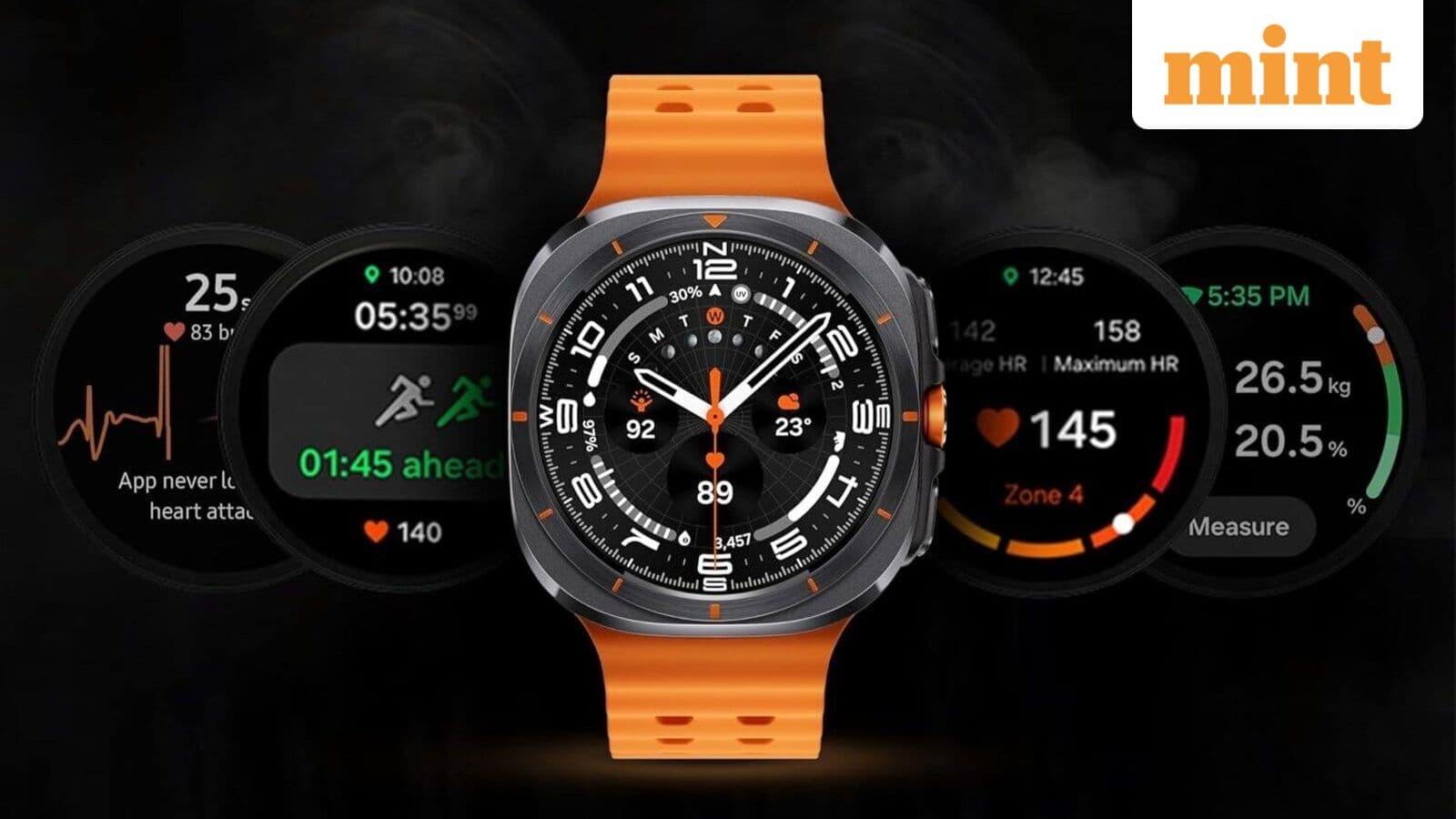
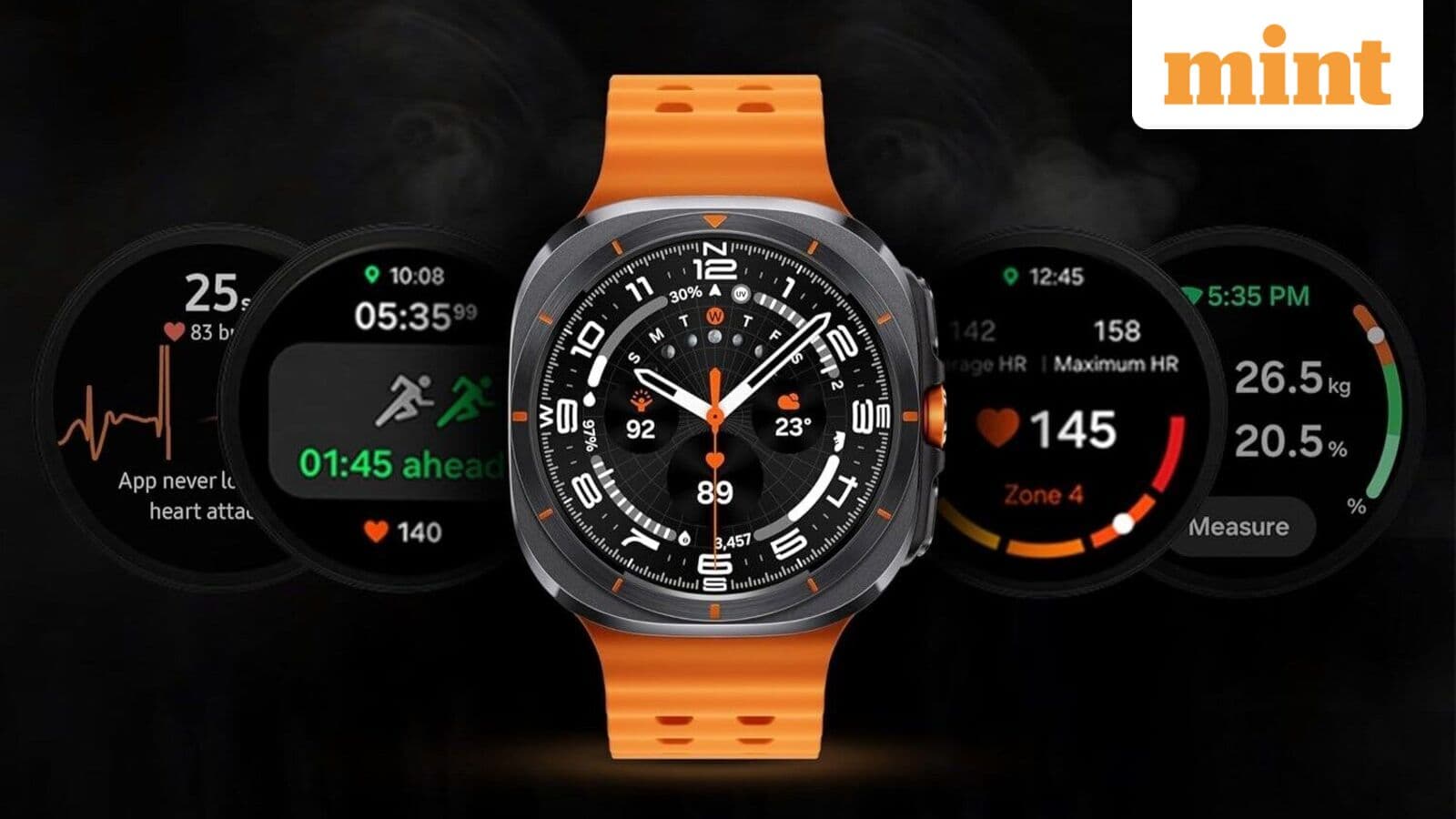
- Galaxy Watch6 (44mm) offers BP and ECG monitoring with up to 40 hours of battery life
- Galaxy Watch6 Classic brings back the rotating bezel and adds LTE connectivity
- Both models feature Super AMOLED displays and fast charging support
What's on Offer
Samsung's Galaxy Watch6 lineup is seeing price drops across multiple variants. The deals cover both the standard Galaxy Watch6 and the Watch6 Classic, making the company's health-focused smartwatches more accessible to Android users.
The timing makes sense. Samsung typically refreshes smartwatch pricing ahead of new model announcements. For buyers who don't need the absolute latest hardware, this creates a window to pick up capable devices at lower cost.
Galaxy Watch6 (44mm): The Everyday Option
The standard Galaxy Watch6 in its 44mm configuration targets users who want health tracking without the bulk of larger smartwatches. It runs on an efficient chipset that Samsung says delivers up to 40 hours of battery life on a single charge.
Health features include blood pressure monitoring, ECG readings, and sleep tracking. These require a compatible Samsung phone for initial setup, but work independently once configured.
The Super AMOLED display is bright enough for outdoor use. Samsung improved durability on this generation compared to the Watch5, though the company hasn't disclosed specific drop-test improvements.
Fast charging support means you can top up the watch quickly between uses. It's a practical addition for people who forget to charge overnight.
Galaxy Watch6 Classic (47mm LTE): For Those Who Want More
The Watch6 Classic brings back Samsung's rotating bezel, a feature that fans missed when Samsung dropped it from earlier models. The physical bezel makes navigating menus faster than swiping on a small screen.
LTE connectivity is the bigger differentiator. With a cellular connection, the watch can make calls and receive notifications without a paired smartphone nearby. Useful for runners or anyone who wants to leave their phone at home.
The Classic includes the same health features as the standard model: BP monitoring, ECG, sleep tracking, and fitness modes. Build quality is more premium, with an IP68 water resistance rating.
Samsung's broader business performance and market position
Who Should Consider These Deals
The Galaxy Watch6 works best for Android users already in Samsung's ecosystem. Integration with Galaxy phones is seamless. With other Android phones, you'll still get core features but may lose some health tracking capabilities.
If you're currently using a Watch4 or older, the upgrade makes sense at these reduced prices. The health sensors are more accurate, battery life is improved, and the display is noticeably better.
If you already own a Watch5, the improvements are incremental. The Watch6 isn't a major generational leap, so waiting for the next model might be smarter.
✅ Pros
- • BP and ECG monitoring at a lower price point
- • Up to 40 hours battery life on standard model
- • Rotating bezel returns on Classic variant
- • LTE option for smartphone-free connectivity
❌ Cons
- • Best features require Samsung phone pairing
- • Incremental upgrade from Watch5
- • LTE variant adds monthly carrier costs
The Competitive Picture
Samsung's main competition in the Android smartwatch space is Google's Pixel Watch. The Galaxy Watch6 has an edge in health features and battery life, while the Pixel Watch integrates better with Google's services.
Apple Watch remains off the table for Android users. That leaves Samsung as the premium option for anyone not using an iPhone.
Apple's approach to hardware innovation

Logicity's Take
Frequently Asked Questions
Does Samsung Galaxy Watch6 work with non-Samsung Android phones?
Yes, but some health features like ECG and BP monitoring require a Samsung phone for initial setup. Core fitness and notification features work with any Android phone.
How long does the Galaxy Watch6 battery last?
Samsung rates the 44mm model at up to 40 hours of battery life with typical use. Heavy GPS or LTE usage will drain it faster.
What's the difference between Galaxy Watch6 and Watch6 Classic?
The Classic adds a physical rotating bezel for navigation, a slightly larger display (47mm vs 44mm), and LTE connectivity for calls without a phone.
Is the Galaxy Watch6 waterproof?
Both models have IP68 water resistance. They can handle swimming in pools but shouldn't be used for scuba diving or high-pressure water activities.
Need Help Implementing This?
Source: mint / Amit Rahi
Huma Shazia
Senior AI & Tech Writer
Produced with AI assistance and reviewed by the Logicity editorial team. Learn more in our Editorial Policy.




