Key Takeaways
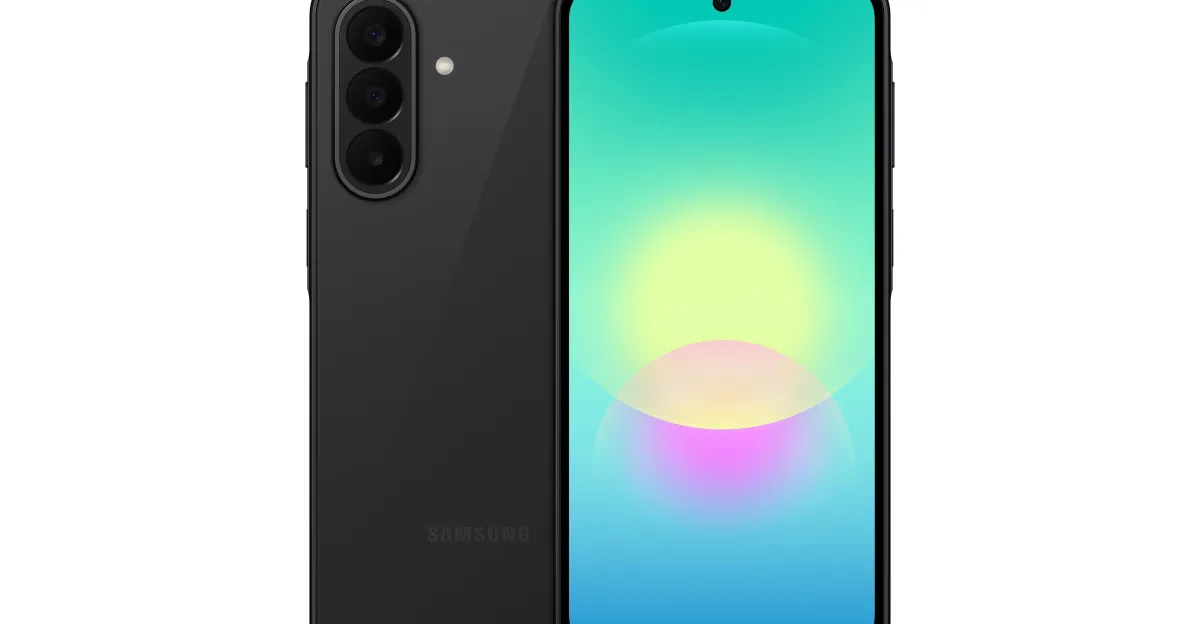
- Galaxy A27 costs $349.99, a $50 increase over last year's A26 despite spec downgrades
- Camera resolution, waterproofing, and thickness all got worse; only the Snapdragon 6 Gen 3 chip is an upgrade
- Global memory shortage and rising component costs are forcing budget phone makers into difficult tradeoffs
Samsung's Galaxy A27 5G launches July 14th in the US at $349.99. That's $50 more than last year's A26, and for that extra money, buyers get a phone with worse waterproofing, lower resolution cameras, and a slightly thicker body. The only genuine upgrade is the processor.
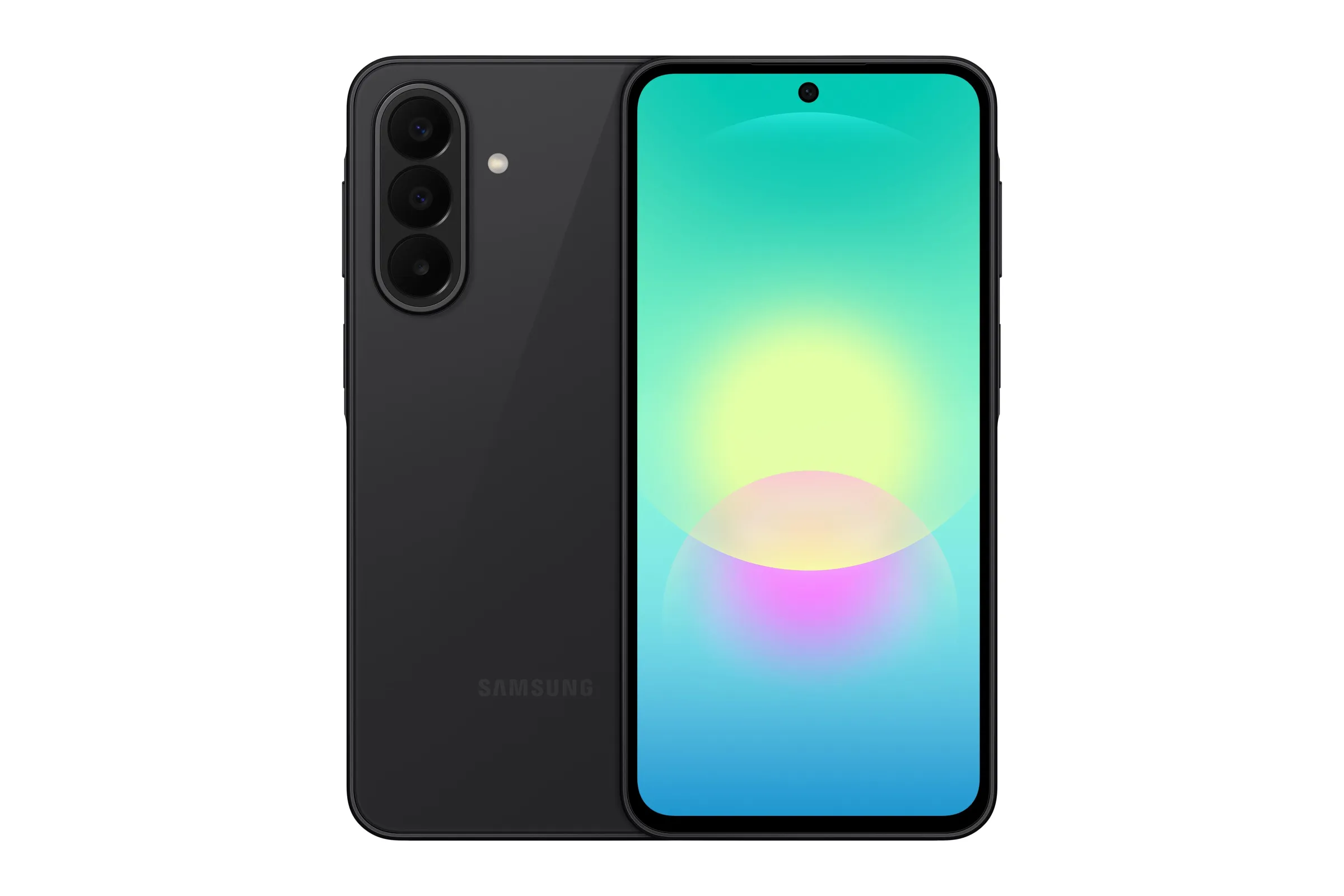
This is shrinkflation hitting smartphones. Samsung has swapped the Exynos 1380 for Qualcomm's Snapdragon 6 Gen 3 chipset, a welcome change that should deliver better performance and efficiency. But everything else has stayed flat or gotten worse.
What's actually different on the Galaxy A27?
The downgrades are not subtle. The selfie camera drops from the A26's higher resolution to 12 megapixels. The ultrawide camera falls to 5 megapixels. Water resistance goes from the A26's rating to IP64, meaning less protection against water. The phone is also 7.8mm thick, slightly chubbier than before.
Meanwhile, the specs that should improve year over year haven't budged. You still get 6GB of RAM and 128GB of storage. The battery remains 5,000mAh. The main 50-megapixel rear camera is unchanged, as is the 6.7-inch 120Hz display.
| Spec | Galaxy A26 (2025) | Galaxy A27 (2026) |
|---|---|---|
| Price | $299.99 | $349.99 |
| Processor | Exynos 1380 | Snapdragon 6 Gen 3 |
| Selfie Camera | Higher resolution | 12MP |
| Ultrawide Camera | Higher resolution | 5MP |
| Water Resistance | Better IP rating | IP64 |
| Thickness | Thinner | 7.8mm |
| RAM/Storage | 6GB/128GB | 6GB/128GB |
| Battery | 5,000mAh | 5,000mAh |
Why is Samsung charging more for less?
The global memory shortage bears much of the blame. RAM and flash storage prices have climbed across the industry, squeezing margins on budget devices where every dollar of bill-of-materials cost matters. Samsung isn't alone in this bind.
Nothing has cancelled planned additions to its budget CMF smartphone line entirely. Apple raised prices on Macs and iPads today, though iPhones remain untouched for now. The pressure is industry-wide, and budget phones sit in the crosshairs because their margins are already razor-thin.
The Snapdragon 6 Gen 3 likely costs Samsung more than the Exynos 1380 did. Qualcomm chips typically carry a premium over Samsung's in-house silicon. So the company faced a choice: absorb the cost, raise the price, or cut specs elsewhere. Samsung chose the last two.
Does the Snapdragon chip justify the price hike?
For some buyers, possibly. Qualcomm's Snapdragon chips generally outperform Samsung's Exynos at similar tiers in CPU and GPU benchmarks. They also tend to run cooler and more efficiently. Software support and modem quality are typically better too.
But $50 is a lot to ask in exchange for a better processor when cameras, water resistance, and overall value have all declined. A buyer cross-shopping the Galaxy A27 against a Pixel 8a or OnePlus Nord CE4 will notice the compromises.
US buyers get the short end
The Galaxy A27 launches in the US on July 14th in black only. International markets get blue and pink options, plus an earlier July 3rd release date. Samsung has not explained the staggered rollout or limited color selection for American customers.
Logicity's Take
Samsung's A-series phones outsell its flagships globally, so this pricing decision signals where the company sees the market heading. Budget Android buyers now face a landscape where last year's $300 phone becomes this year's $350 phone with worse specs. Google's Pixel 8a ($499) and OnePlus Nord CE4 (~$299 where available) become more attractive by comparison. For enterprise buyers provisioning fleets of devices, the calculus has shifted: the total cost of a 100-phone deployment just jumped $5,000 for a phone that's objectively worse in several respects.
Frequently Asked Questions
When does the Samsung Galaxy A27 release in the US?
The Galaxy A27 5G goes on sale in the US on July 14th, 2026. International markets get it earlier on July 3rd.
How much does the Galaxy A27 cost compared to the A26?
The Galaxy A27 costs $349.99, which is $50 more than last year's Galaxy A26 at $299.99.
What specs are worse on the Galaxy A27 than the A26?
The A27 has lower resolution selfie and ultrawide cameras, reduced IP64 water resistance, and is slightly thicker. RAM, storage, battery, and main camera are unchanged.
What's the only upgrade on the Galaxy A27?
Samsung switched from the Exynos 1380 to Qualcomm's Snapdragon 6 Gen 3 processor, which should deliver better performance and efficiency.
Why is Samsung raising prices on budget phones?
The global memory shortage has driven up RAM and storage costs across the industry. Budget phones with thin margins are hit hardest by these component price increases.
Apple's price hikes reflect the same industry-wide cost pressures affecting Samsung's budget phones
Need Help Implementing This?
Evaluating mobile device procurement for your organization? Logicity helps enterprise tech teams navigate vendor pricing shifts and identify cost-effective alternatives. Contact our advisory team for device fleet strategy consulting.
Huma Shazia
Senior AI & Tech Writer
Produced with AI assistance and reviewed by the Logicity editorial team. Learn more in our Editorial Policy.