Key Takeaways
- Russian hackers caused $2.5 billion in economic damage to Britain through the JLR cyberattack
- The UK government provided a £1.5 billion bailout after production halted for months
- A separate Jordanian hacker also breached JLR networks, complicating the investigation
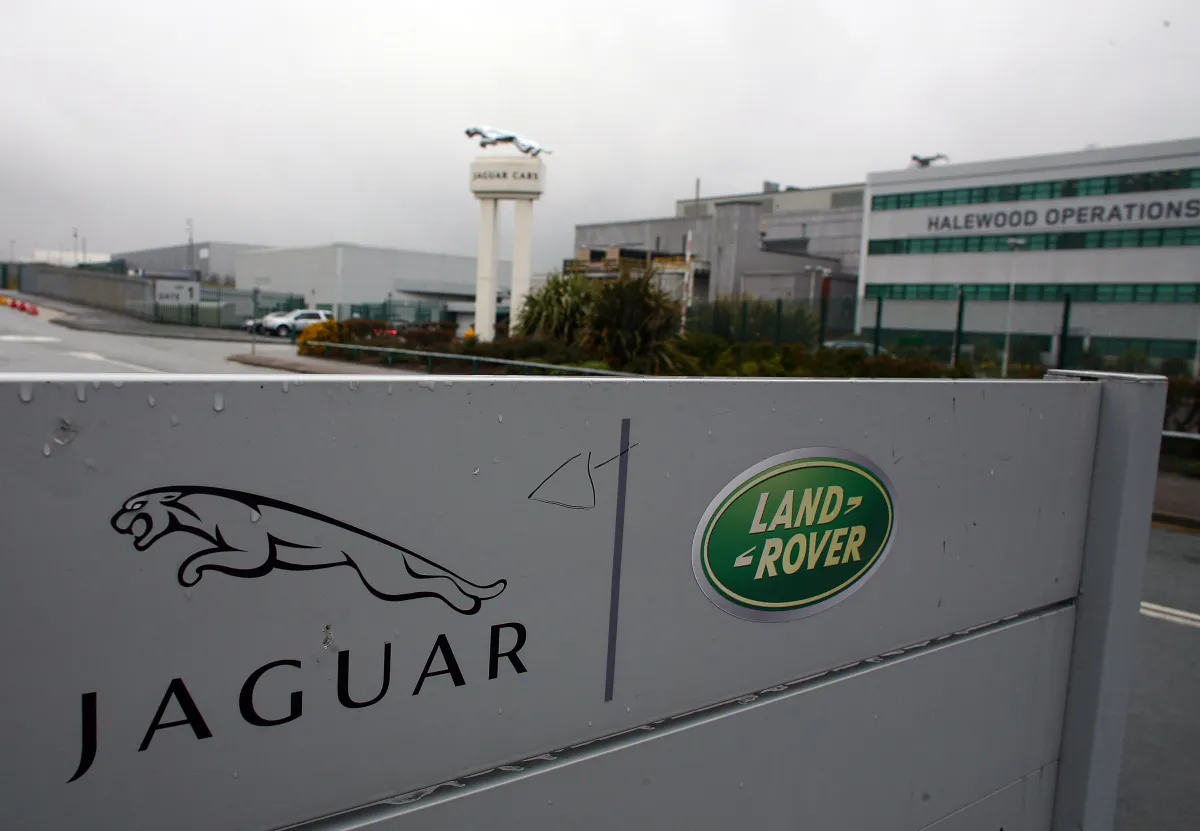
Russian hackers were responsible for the devastating cyberattack on Jaguar Land Rover that halted production for months and cost the British economy an estimated $2.5 billion, according to a New York Times report. The UK government stepped in with a £1.5 billion bailout to keep one of Britain's largest private employers afloat.
The attack, which struck last year, ranks among the most economically damaging cyber incidents to hit a single company in British history. For months, speculation swirled about who was behind it. Now, sources close to the investigation have identified Russian hackers as the culprits.
Who carried out the JLR hack?
Microsoft had been tracking the Russian hacking group and alerted JLR to information about the attackers' identities, the Times reports. What remains unclear is whether these hackers worked directly for Vladimir Putin's government, operated as independent criminals, or fell somewhere in between. The third category is common: criminal groups that operate with tacit approval from Russian authorities.
The investigation drew heavy involvement from multiple agencies and security firms. The FBI, Britain's National Crime Agency, the National Cyber Security Centre, Google's Mandiant unit, and Palo Alto Networks all contributed to piecing together what happened.
A second hacker complicates the picture
In a rare twist, the Russian group was not the only one inside JLR's networks. A Jordanian hacker going by the name Rey had also broken in separately, according to the Times. Multiple independent breaches of the same target happen occasionally in cybersecurity, but they complicate forensic investigations and raise questions about just how porous JLR's defenses were.
This dual-intrusion scenario makes attribution harder and suggests the automaker may have had systemic security gaps that multiple unrelated attackers could exploit.
Why the UK government intervened
Jaguar Land Rover, owned by India's Tata Motors, employs roughly 35,000 people in the UK. The company is a cornerstone of British manufacturing and a significant contributor to the national economy. When production ground to a halt for months, the ripple effects spread far beyond the company's own balance sheet.
The government's £1.5 billion bailout (approximately $2 billion) reflects how critical JLR is to Britain's industrial base. State intervention at this scale for a cyberattack victim is unusual, but the economic stakes left little choice.
What this signals for enterprise security
The JLR breach stands out not just for its scale but for the response it triggered. Few cyberattacks force sovereign governments to write billion-pound checks. For CTOs and security leaders at large industrial firms, the incident is a stark reminder that cyber risk is now macroeconomic risk.
State-sponsored and state-tolerated attacks from Russia have escalated since 2022. Critical infrastructure and major manufacturers face persistent targeting. The line between criminal ransomware gangs and intelligence operations often blurs, making deterrence and defense more complicated.
Logicity's Take
The JLR hack exposes a hard truth for large enterprises: incident response planning must now account for existential-level scenarios. Traditional cyber insurance policies top out well below $2.5 billion in damages. Companies of JLR's scale should evaluate specialized coverage from providers like Beazley, Chubb, or Coalition, while also stress-testing whether their board understands the gap between insured limits and worst-case exposure. The involvement of five major investigative bodies also suggests that even well-resourced victims cannot handle attribution alone. Building relationships with threat intelligence vendors before an incident, not after, is table stakes.
Another major breach highlighting enterprise security failures and the scale of modern cyber incidents
Frequently Asked Questions
How much did the Jaguar Land Rover hack cost?
The attack cost the British economy an estimated $2.5 billion, including production losses, supply chain disruptions, and the £1.5 billion government bailout.
Were the Russian hackers working for the government?
It remains unclear. Investigators have not determined whether the hackers worked directly for the Russian government, were independent criminals, or operated with tacit state approval.
Who else breached Jaguar Land Rover?
A Jordanian hacker using the name Rey also independently breached JLR networks, separate from the Russian group.
Which agencies investigated the JLR cyberattack?
The FBI, Britain's National Crime Agency, the National Cyber Security Centre, Google's Mandiant unit, and Palo Alto Networks all participated in the investigation.
Need Help Implementing This?
If your organization needs to assess its exposure to state-sponsored threats or review incident response readiness, contact Logicity for recommendations on threat intelligence providers and security assessment frameworks tailored to enterprise manufacturing environments.
Source: TechCrunch / Lorenzo Franceschi-Bicchierai
Manaal Khan
Tech & Innovation Writer
Produced with AI assistance and reviewed by the Logicity editorial team. Learn more in our Editorial Policy.




