Key Takeaways
- Pegasus Tech Ventures and CYBERDYNE launched a $60M (JPY 10 billion) corporate venture fund targeting physical AI startups
- The fund will focus on robotics, healthcare automation, and intelligent systems that merge humans with AI
- CYBERDYNE, maker of the HAL exoskeleton, is the sole limited partner and seeks global startup partnerships
Pegasus Tech Ventures and Japan's CYBERDYNE Inc. have launched a $60 million corporate venture capital fund to back startups building physical AI, robotics, and healthcare automation technologies. The fund, denominated at JPY 10 billion, will operate out of Delaware with a 10-year investment horizon.
San Jose-based Pegasus will act as general partner. CYBERDYNE, the Tsukuba company behind the HAL exoskeleton, is the sole limited partner. The structure gives CYBERDYNE access to Pegasus's "venture capital-as-a-service" network, a model that connects Asian corporations to Silicon Valley deal flow without requiring them to build internal VC teams.
What will the fund invest in?
The fund targets five sectors: robotics, physical AI, healthcare, automation, and what the partners call "intelligent systems." A particular emphasis goes to companies that fit CYBERDYNE's vision of "human-cyber-physical space" (HCPS) cybernics. That means technologies that fuse human biology with AI, robotics, and information systems.
Physical AI is the operative phrase. Unlike pure software AI that runs inference in the cloud, physical AI operates in the real world: warehouse robots, surgical assistants, wearable exoskeletons, autonomous vehicles. CYBERDYNE has spent two decades in this space, and now wants startup partners who can expand its capabilities.
Why CYBERDYNE needs Silicon Valley access
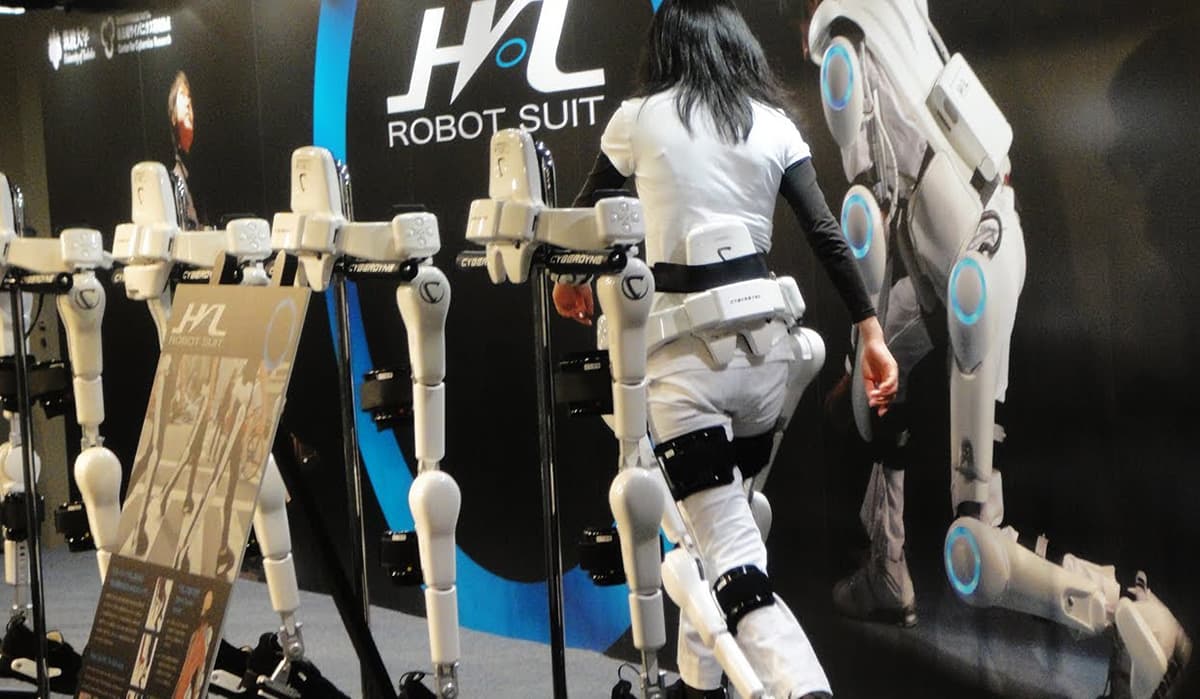
CYBERDYNE is not a typical investor. Founded in 2004 by Professor Yoshiyuki Sankai, the company pioneered cybernics, the integration of human biology with technology. Its flagship product, the Hybrid Assistive Limb (HAL), detects bioelectric signals from the wearer's body and amplifies movement. HAL is used in Japanese hospitals for stroke rehabilitation and has been certified for medical use in Europe and Japan.
But CYBERDYNE's technology development has been largely internal. The company sees the Pegasus partnership as a way to accelerate by backing external startups rather than building everything in-house. "By partnering with Pegasus Tech Ventures and leveraging its global innovation network, we look forward to accelerating technology development, business co-creation, and global expansion opportunities," said Yoshiyuki Sankai, CYBERDYNE's founder and CEO.
Pegasus's track record with corporate partners
Pegasus manages more than 40 funds and over $2 billion in assets. Its portfolio includes SpaceX, OpenAI, Anthropic, Airbnb, Coinbase, and X (formerly Twitter). The firm has spent over a decade connecting Asian corporations to global startups through its VCaaS model.
"Robotics and intelligent systems are becoming increasingly important in addressing some of the world's most pressing challenges," said Dr. Anis Uzzaman, Pegasus's founder and CEO. "Through our venture capital-as-a-service platform, we look forward to connecting CYBERDYNE with leading entrepreneurs, breakthrough technologies, and strategic opportunities from Silicon Valley and innovation ecosystems that align with their long-term vision."
The VCaaS model works like this: Pegasus handles sourcing, due diligence, and portfolio management. The corporate partner, in this case CYBERDYNE, provides capital and strategic guidance. Startups get not just funding but a potential customer or integration partner in an established industrial company.

The societal problems driving investment
Japan's demographics make this fund strategic rather than speculative. The country's population is aging faster than any other major economy. By 2040, nearly 35% of Japanese residents will be over 65. Healthcare labor shortages are already acute. Nursing homes cannot find staff. Manufacturing faces similar gaps.
CYBERDYNE explicitly cited these challenges, aging populations, workforce shortages, and increasing healthcare demands, as the problems the fund will address. HAL already helps rehabilitate stroke patients and assists factory workers with heavy lifting. The fund will likely target startups with complementary technologies: sensors, AI control systems, soft robotics, or healthcare logistics.
What makes physical AI different from software AI
Software AI, the kind that powers ChatGPT or image generators, runs on GPUs in data centers. Physical AI must operate in the real world with real constraints: battery life, weight, latency, safety. A hospital exoskeleton cannot wait 200 milliseconds for a cloud response. An autonomous forklift cannot hallucinate a safe path.
This is why NVIDIA, Boston Dynamics, and now CYBERDYNE use the term "physical AI" to distinguish their work. The fund's focus on this segment suggests Pegasus and CYBERDYNE believe the next wave of AI value creation will happen at the edge, where software meets muscle and metal.
Frequently Asked Questions
What is the Pegasus CYBERDYNE physical AI fund?
A $60 million corporate venture capital fund launched by Pegasus Tech Ventures and CYBERDYNE Inc. to invest in robotics, physical AI, healthcare automation, and intelligent systems startups over a 10-year period.
What is CYBERDYNE's HAL exoskeleton?
HAL (Hybrid Assistive Limb) is a wearable assistive device that detects bioelectric signals from the wearer and amplifies movement. It is used in medical rehabilitation and industrial labor support.
What is physical AI?
Physical AI refers to artificial intelligence systems that operate in the real world through robots, exoskeletons, or autonomous machines, as opposed to software-only AI that runs in data centers.
Who is Pegasus Tech Ventures?
A San Jose-based venture capital firm managing over $2 billion across 40+ funds. Its portfolio includes SpaceX, OpenAI, Anthropic, Airbnb, and Coinbase.
Why is Japan investing in robotics and physical AI?
Japan faces severe demographic challenges with an aging population and shrinking workforce. Robotics and physical AI are seen as essential technologies to address labor shortages in healthcare, manufacturing, and logistics.
Logicity's Take
This fund signals a shift in how Japanese industrial companies approach innovation. Rather than licensing technology or acquiring startups outright, CYBERDYNE is betting on portfolio diversification, backing multiple physical AI bets through an experienced VC partner. The 10-year horizon is notable. Physical AI startups need longer runways than software companies; hardware iteration cycles, regulatory approvals, and manufacturing scale-up all take time. CYBERDYNE is patient capital for a sector that needs it.
Need Help Implementing This?
If you're building in robotics, physical AI, or healthcare automation and want guidance on navigating corporate venture partnerships, reach out to the Logicity team for introductions and strategic advice.
Source: The Robot Report / The Robot Report Staff
Huma Shazia
Senior AI & Tech Writer
Produced with AI assistance and reviewed by the Logicity editorial team. Learn more in our Editorial Policy.




