Key Takeaways
- Intel's Wildcat Lake (Core Series 3) processors are the foundation of most early MacBook Neo competitors
- Asus Co-CEO S.Y. Hsu admitted the $599 price point 'shocked the entire industry'
- Rising RAM costs (up 70%) are hampering PC makers' ability to match Apple's pricing
Apple's MacBook Neo caught the PC industry off guard. At $599, it's Apple's cheapest laptop ever, and Windows PC makers are still figuring out how to respond.
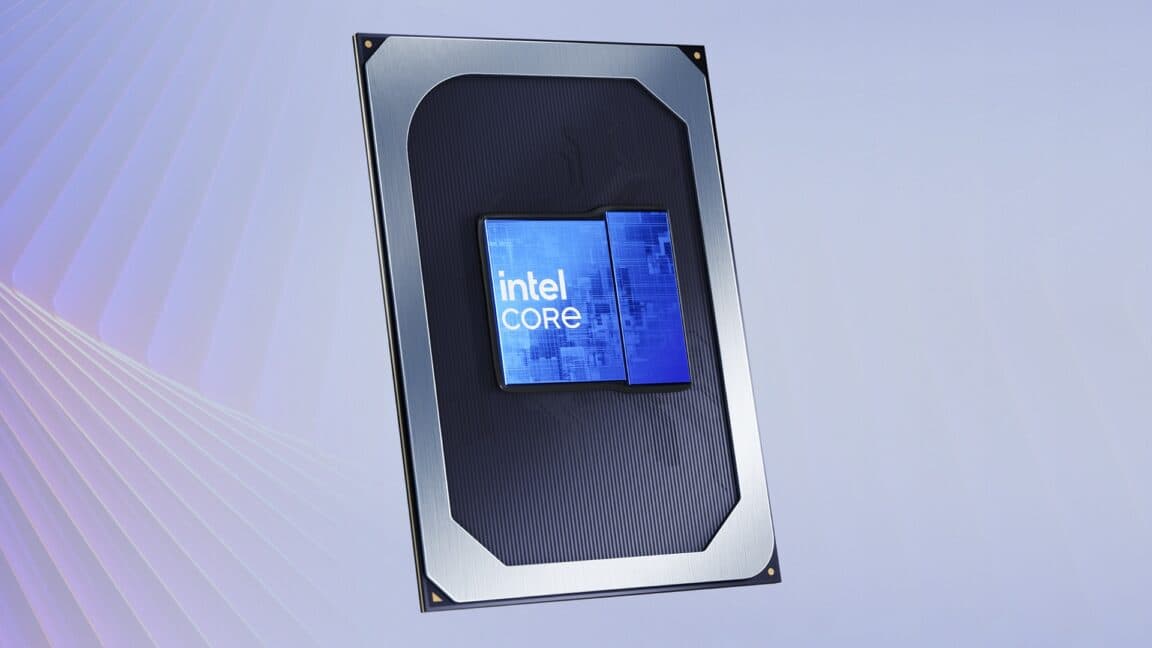
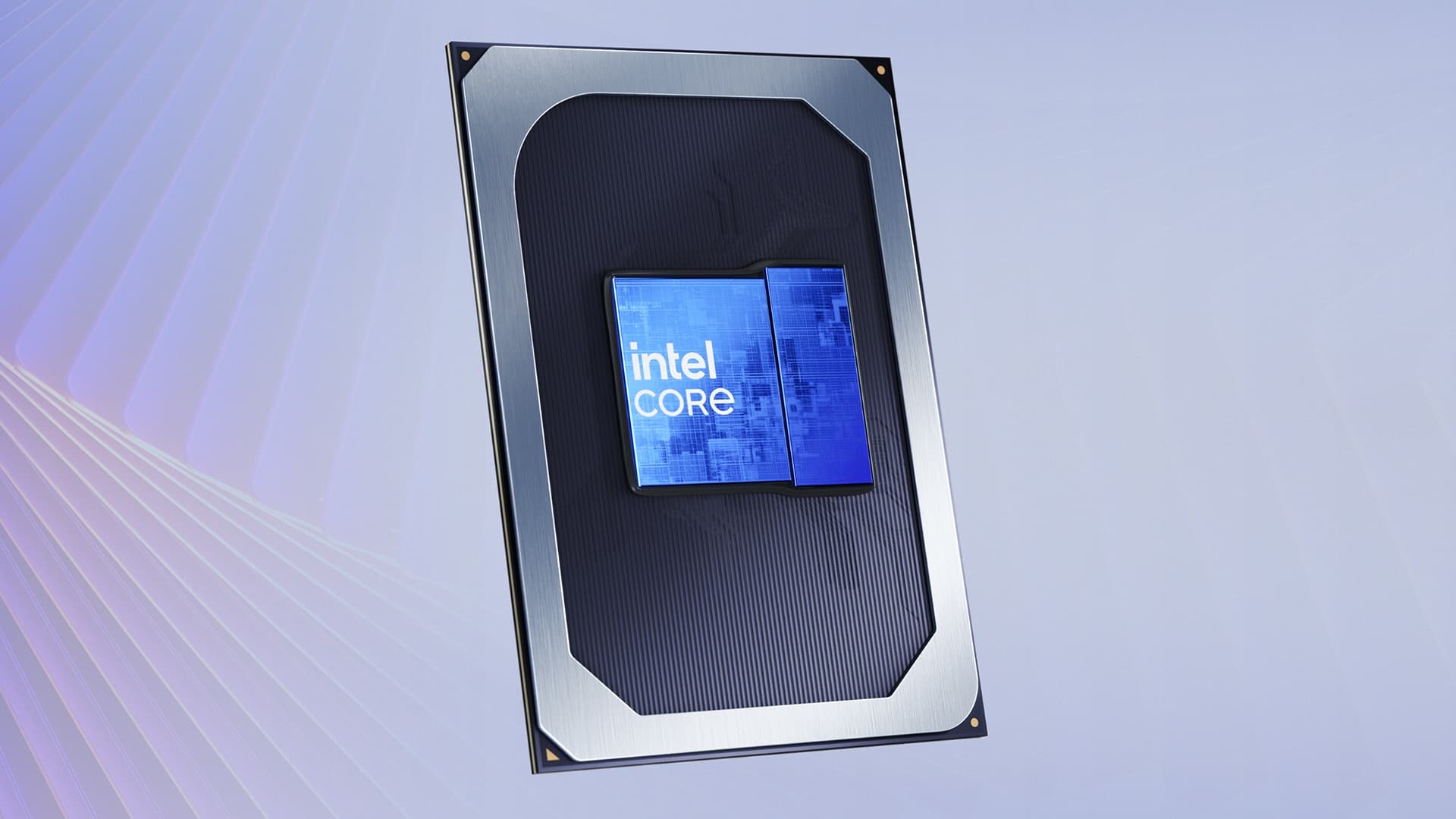
The first wave of answers is arriving. Most rely on Intel's new Wildcat Lake processors, a purpose-built budget chip that could give Windows laptops a fighting chance against the Neo's A18 Pro silicon.
Intel's Wildcat Lake: A Real Budget Chip at Last
Intel's last few generations of low-end chips were mostly rebrands of older, less power-efficient parts. Wildcat Lake is different. It's a new design built on Intel's 18A manufacturing process, using the company's latest CPU and GPU architectures.
This matters because budget Windows laptops have historically struggled with efficiency. The MacBook Neo's A18 Pro chip delivers strong performance per watt, something Intel's previous budget offerings couldn't match. Wildcat Lake should close that gap.
Who's Building What
Lenovo, Asus, and HP have all announced Wildcat Lake laptops. Lenovo is planning IdeaPad Slim models with optional upgrades to 16GB RAM and 120Hz displays. Asus and HP have shown early products but remain vague on details.
The common thread: nobody wants to commit to pricing. Ongoing component supply shortages and volatile costs are making it difficult to nail down final numbers. We may hear more during Computex in early June.
Chinese manufacturer Chuwi has been less shy. The company contacted Ars Technica about its UniBook, a $449 laptop with a Core 3 304 processor, 14-inch 1200p IPS display, backlit keyboard, 8GB RAM, 256GB storage, and more ports than the MacBook Neo.
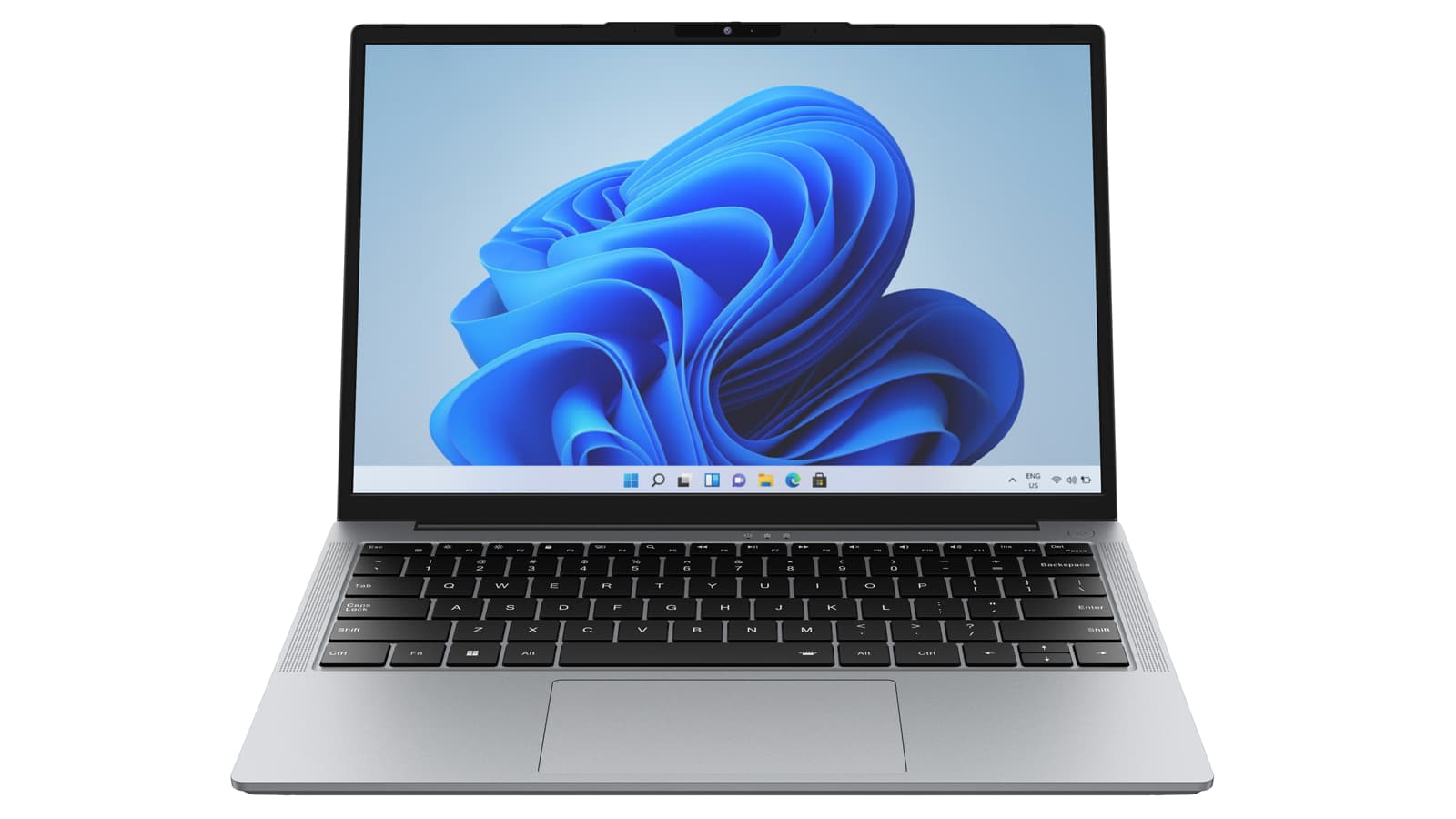
On paper, the UniBook undercuts the Neo by $150 while matching or exceeding several specs. But spec sheets don't tell you how a laptop feels to use, how it holds up over time, or whether it'll actually be available in the US.
The Component Cost Problem
PC makers face a challenge Apple doesn't: they buy chips and memory from suppliers rather than making their own. The "RAMageddon" crisis has pushed global memory costs up 70%, squeezing margins on budget laptops where every dollar counts.
“The $599 price point is a shock to the entire industry, and we are struggling to match this value proposition without significant losses.”
— S.Y. Hsu, Co-CEO of Asus
Apple can absorb these costs differently. The company uses its A18 Pro chips, originally designed for iPhones, letting it spread silicon development costs across hundreds of millions of devices. No PC maker has that advantage.
One industry analyst put it bluntly: "Apple is effectively offloading its A18 Pro silicon excess into the laptop space to dominate the sub-$600 market, a move no other company can replicate currently."
The Neo's Compromises
Apple hit $599 by making cuts. The MacBook Neo lacks keyboard backlighting and uses slower USB connectivity than pricier MacBooks. It's capped at 8GB RAM, a limit that frustrates power users.
Community reaction is split. Some praise the Neo's build quality and battery life at this price point. Others dismiss it as a "glorified tablet" that can't handle demanding workloads.
A Microsoft-backed study by Signal65 claimed Windows laptops could outperform the Neo by up to 92% in specific multi-core benchmarks. HackerNews and Reddit users called the study "dishonest" for focusing on scenarios where the Neo isn't designed to compete.
What Happens Next
Computex in early June should bring more announcements and, critically, real pricing. The Wildcat Lake laptops announced so far have spec-sheet advantages over the Neo. Whether those translate to better value depends entirely on what these machines actually cost.
The test isn't whether PC makers can build a laptop with more RAM or more ports than the Neo. It's whether they can do it at a competitive price while maintaining build quality Apple customers expect.
Logicity's Take
More on how component costs are affecting consumer electronics pricing
Frequently Asked Questions
What is Intel Wildcat Lake?
Wildcat Lake is Intel's codename for its Core Series 3 processors. Unlike previous budget chips that were rebranded older parts, Wildcat Lake is a purpose-built budget chip using Intel's latest 18A manufacturing process and current CPU/GPU architectures.
How much does the MacBook Neo cost?
The MacBook Neo starts at $599, making it Apple's cheapest laptop ever. To hit this price, Apple removed keyboard backlighting, used slower USB connectivity, and capped RAM at 8GB.
When will Wildcat Lake laptops be available?
Several manufacturers have announced Wildcat Lake laptops, but most haven't confirmed pricing or availability. Computex in early June 2026 should bring more details. Some models like Chuwi's UniBook are listed at $449 but US availability is uncertain.
Can Windows laptops beat the MacBook Neo on specs?
Yes, many Wildcat Lake laptops offer more RAM, faster ports, and features like 120Hz displays that the Neo lacks. Whether these spec advantages justify potentially higher prices is the key question.
Why is Apple able to price the MacBook Neo so low?
Apple uses its A18 Pro chip, originally designed for iPhones, spreading development costs across hundreds of millions of devices. PC makers buy chips from suppliers and face rising memory costs that Apple can absorb more easily.
Need Help Implementing This?
Source: Ars Technica
Huma Shazia
Senior AI & Tech Writer
Produced with AI assistance and reviewed by the Logicity editorial team. Learn more in our Editorial Policy.