Key Takeaways
Oura Ring 5 vs Ultrahuman Ring Pro – Don’t Buy the Wrong Smart Ring in 2026!
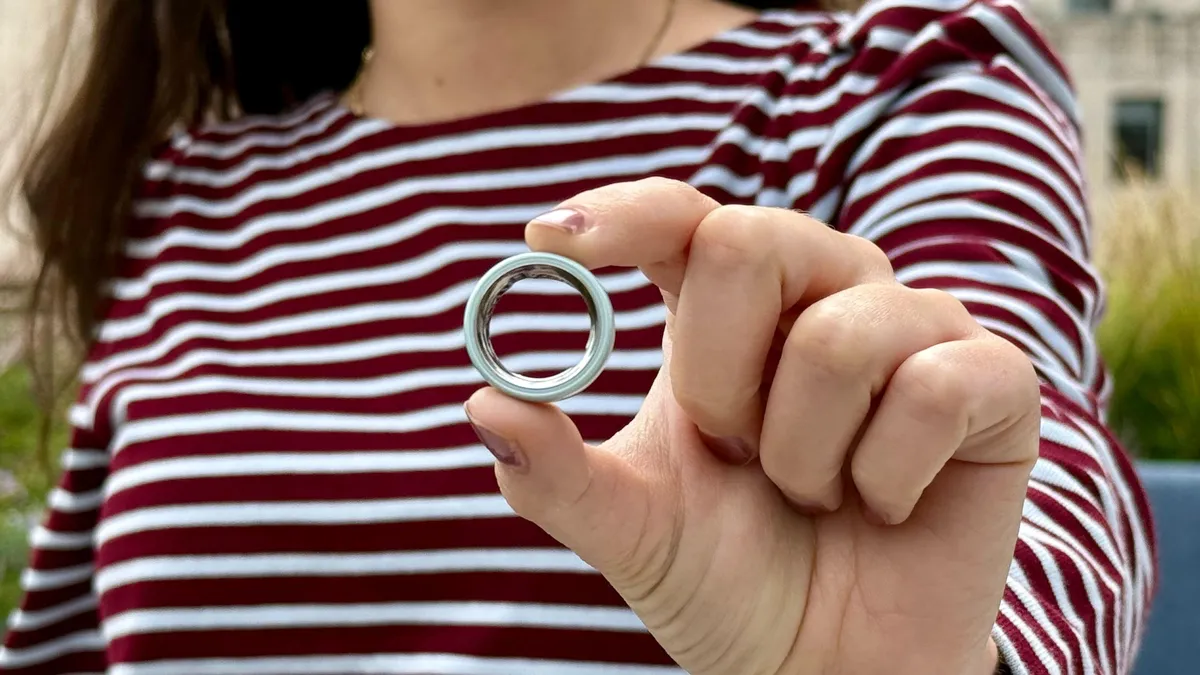
- Oura Ring 5 is 40% thinner than its predecessor, making it the most comfortable premium smart ring tested
- Samsung Galaxy Ring offers Android users deep ecosystem integration without a subscription fee
- RingConn Gen 2 Air delivers solid tracking at $200 with no recurring costs
Oura Ring 5 takes the top spot in ZDNET's best smart rings of 2026, thanks to a 40% size reduction over the Ring 4 and an extra day of battery life. The Finnish company's latest hardware finally feels like jewelry rather than a gadget, which matters for a device you wear 24 hours a day. Samsung's Galaxy Ring and RingConn's budget Gen 2 Air round out the top three, each carving out a distinct niche.
Why smart rings beat smartwatches for sleep tracking
Smart rings occupy a strange middle ground. They track heart rate, heart rate variability, skin temperature, and sleep stages just like a watch, but without a screen, notifications, or the bulk. ZDNET's wearables editor Nina Raemont has worn multiple rings simultaneously for weeks at a time, comparing data accuracy and battery longevity against smartwatches.
The payoff is comfort. Most people find a ring less disruptive during sleep than a watch, and battery life stretches to a week versus a day or two. That continuous wear generates more complete data, which is the whole point of health tracking.
Oura Ring 5: the thin one
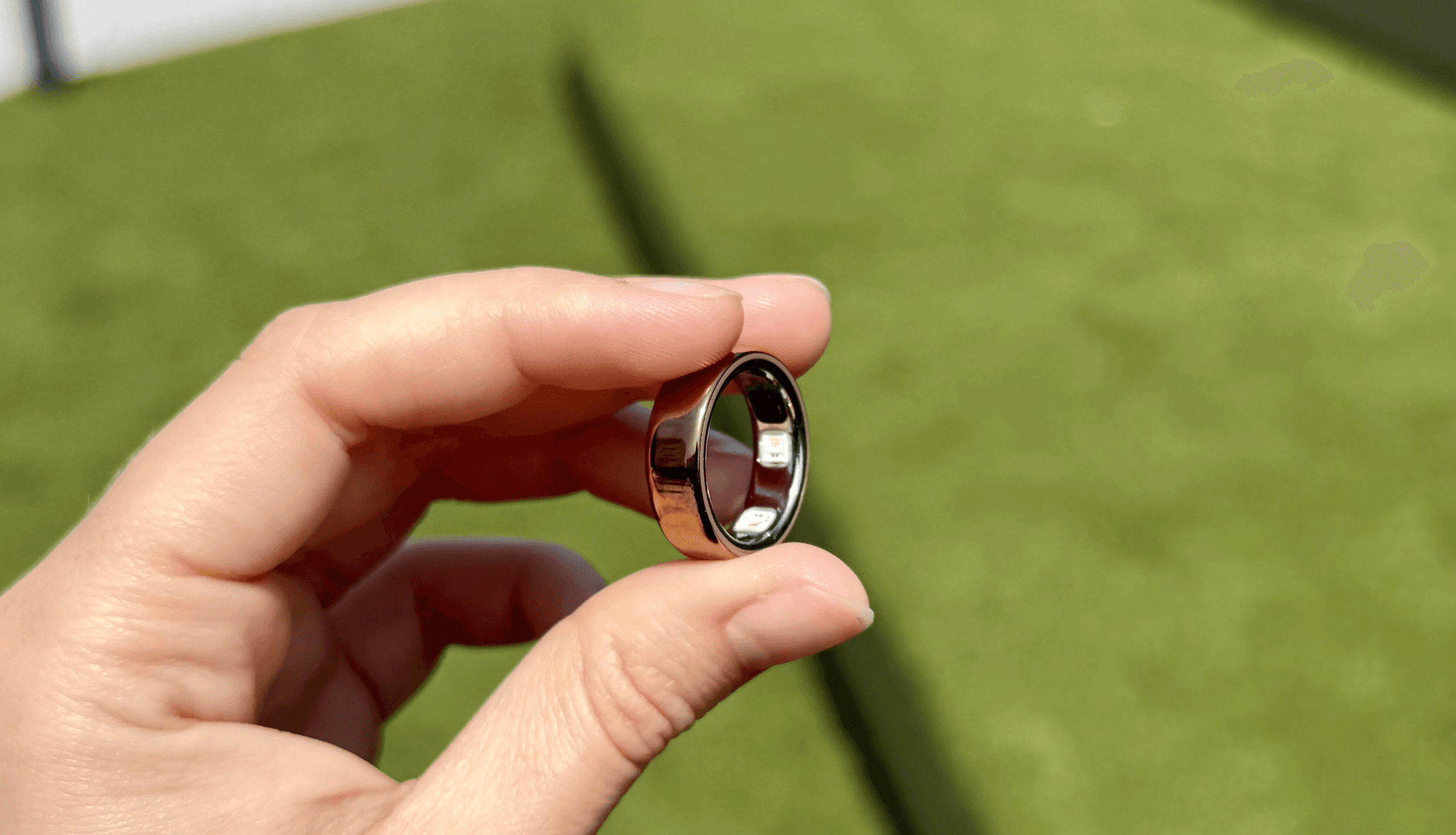
Oura's fifth-generation ring addresses the most common complaint about previous models: they were chunky. The new ring is 40% smaller while adding a full extra day of battery life. Raemont describes the fit as "finally feeling like a ring, not a smart ring."
The health suite remains Oura's strongest card. The app visualizes sleep stages, HRV trends, and readiness scores in ways competitors haven't matched. Oura still charges $5.99 per month for full access, a model that frustrates some users but funds continuous software development.
Samsung Galaxy Ring: no subscription, tight Android integration
Samsung entered the smart ring market in 2024 and quickly became the default choice for Android users. The Galaxy Ring connects to Samsung Health, syncs with Galaxy watches, and even triggers phone functions like remote camera capture. There's no subscription fee, a deliberate contrast to Oura.
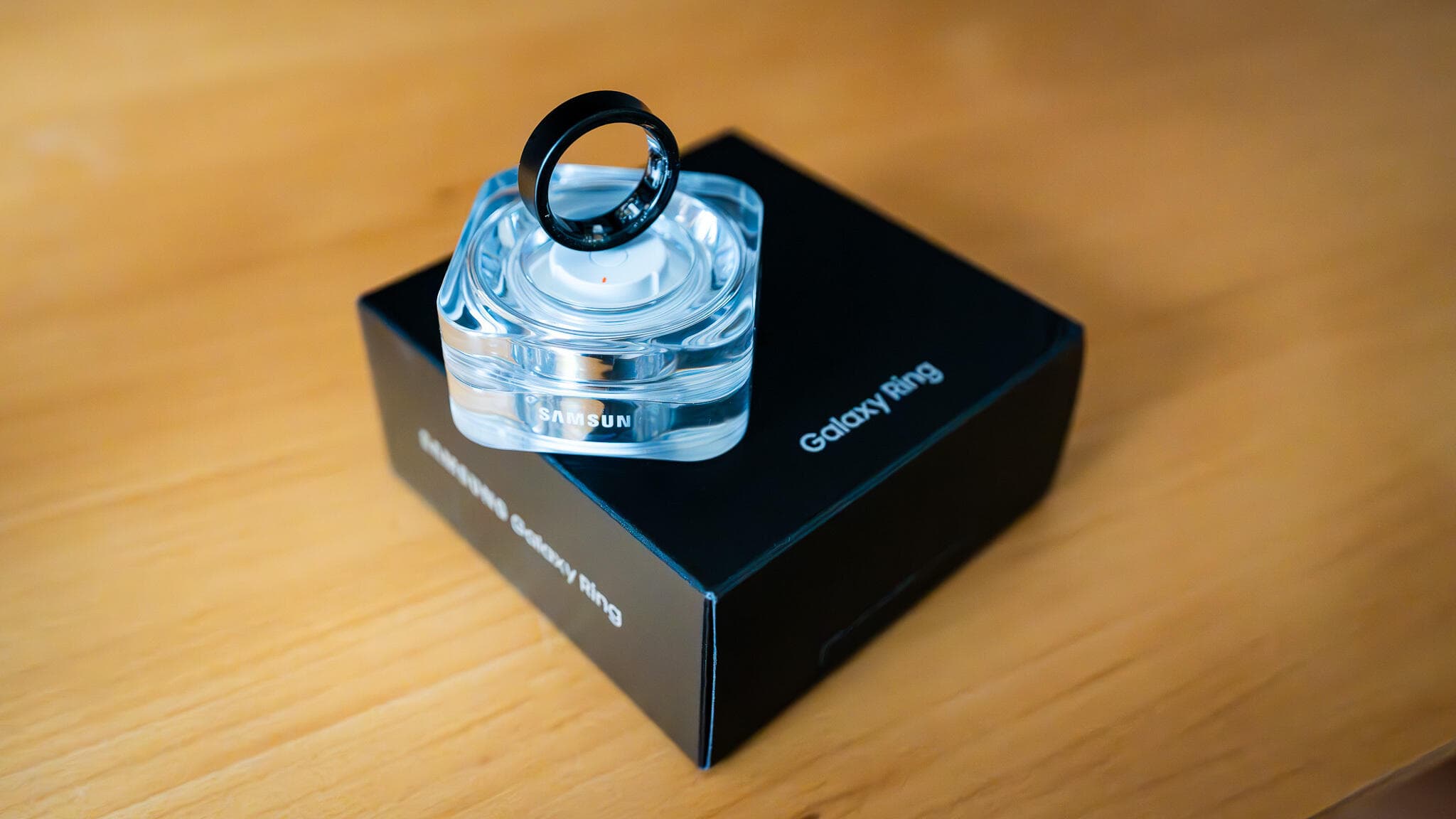
The trade-off is ecosystem lock-in. Galaxy Ring works best with Samsung phones and watches. iPhone users can pair it, but lose some features. For Android loyalists, though, the integration and zero recurring cost make it compelling.
RingConn Gen 2 Air: the budget pick
At $200 with no subscription, RingConn's Gen 2 Air targets buyers who want basic health tracking without ongoing fees. ZDNET rates it a viable option for anyone who doesn't need the polished app experience or advanced metrics of Oura. Sleep and activity data are accurate enough for general wellness tracking.
How testing worked
Raemont wore multiple rings simultaneously for weeks, cross-referencing data against smartwatches. She evaluated battery longevity, app clarity, sensor accuracy, and comfort during daily activities and sleep. This isn't a spec-sheet comparison; it's a practical wear test.
Logicity's Take
Smart rings are maturing into a legitimate wearable category, not a biohacker curiosity. For tech leaders evaluating corporate wellness programs, Oura's API and comprehensive data exports make it the most enterprise-friendly option. Samsung's no-subscription model reduces friction for BYOD fleets but limits cross-platform compatibility. If your team runs mixed devices, Oura or RingConn's platform-agnostic approach will cause fewer headaches. Pricing runs $200 for RingConn, $299-$549 for Oura and Samsung, plus Oura's $72/year subscription.
Which ring fits your use case?
| Ring | Price | Subscription | Best For |
|---|---|---|---|
| Oura Ring 5 | $349+ | $5.99/month | Most comprehensive health tracking |
| Samsung Galaxy Ring | $399 | None | Android ecosystem users |
| RingConn Gen 2 Air | $199 | None | Budget-conscious buyers |
| Oura Ring 4 | $299 | $5.99/month | Previous-gen value seekers |
The smart ring market is no longer Oura's private kingdom. Samsung's entry brought mainstream visibility, and budget brands like RingConn prove you don't need to spend $400 to get useful sleep data. Oura still leads on data depth and comfort, but the gap is narrowing.
Frequently Asked Questions
Do smart rings work without a subscription?
Samsung Galaxy Ring and RingConn Gen 2 Air offer full functionality without recurring fees. Oura requires a $5.99/month membership for detailed insights; without it, you get basic metrics only.
How accurate are smart rings compared to smartwatches?
Testing shows smart rings match or exceed smartwatch accuracy for sleep tracking and heart rate variability. Their constant skin contact during sleep provides more consistent data.
Can I use a smart ring with an iPhone?
Oura Ring and RingConn work fully with iOS. Samsung Galaxy Ring pairs with iPhones but loses some features optimized for Galaxy devices.
How long do smart ring batteries last?
Most smart rings last 5-7 days on a single charge. Oura Ring 5 added an extra day of battery life compared to the Ring 4.
Need Help Implementing This?
Evaluating wearables for a corporate wellness initiative or personal productivity stack? Reach out to Logicity's advisory team for vendor comparisons and integration guidance.
Source: Latest news
Huma Shazia
Senior AI & Tech Writer
Produced with AI assistance and reviewed by the Logicity editorial team. Learn more in our Editorial Policy.