Key Takeaways
- Mass production pulled forward from 2028 to first half of 2027
- MediaTek emerges as sole processor supplier with customized Dimensity 9600
- OpenAI targets 30 million unit shipments across 2027-2028
Timeline Pulled Forward by Nearly a Year
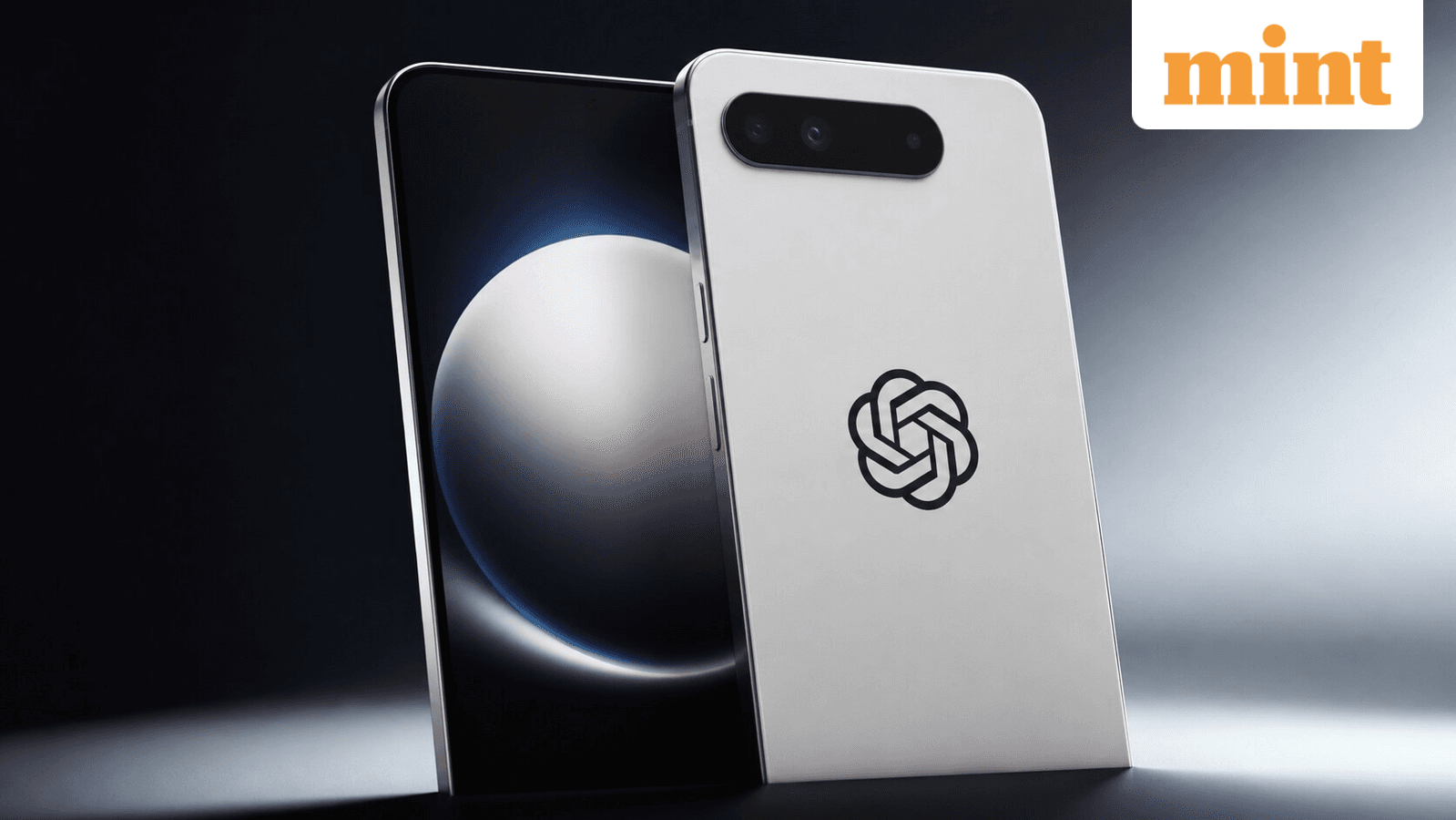
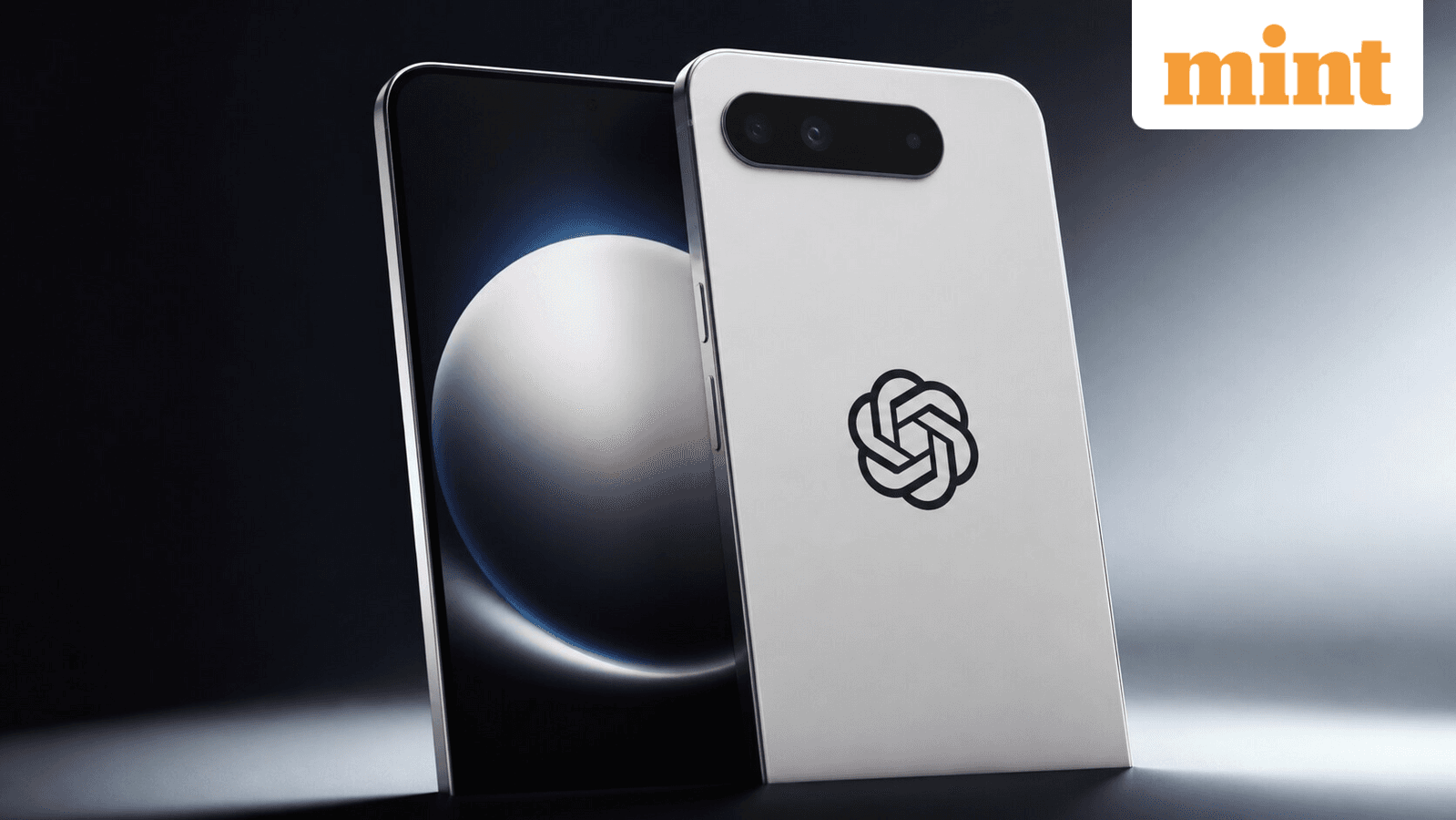
OpenAI has accelerated its smartphone ambitions. According to supply chain analyst Ming-Chi Kuo, mass production of the company's first "AI agent" phone could begin in the first half of 2027. That's nearly a year earlier than the originally projected 2028 window.
The acceleration appears tied to two factors: OpenAI's planned year-end IPO and the race to beat competitors in the emerging AI agent phone category. If development stays on track, Kuo projects shipments could reach 30 million units across 2027 and 2028. That's a serious volume play from day one.
MediaTek Wins the Chip Contract
Earlier reports suggested OpenAI was exploring partnerships with both Qualcomm and MediaTek. That's changed. Kuo's latest industry checks indicate MediaTek is now positioned as the sole processor supplier.
The device will reportedly run a customized version of MediaTek's Dimensity 9600 processor. This chip would be built on TSMC's 2nm process, scheduled to arrive in the second half of 2026. That timing lines up with the 2027 production window.
Supporting hardware includes LPDDR6 RAM and UFS 5.0 storage. Both are meant to reduce memory bottlenecks when running AI workloads.
Hardware Built for AI Agents
The phone's standout spec, according to Kuo, is a deeply integrated Image Signal Processor with an enhanced HDR pipeline. This isn't about taking better photos. It's designed to give the AI agent real-time visual understanding of the user's surroundings.
A dual Neural Processing Unit setup handles on-device AI tasks. The architecture splits work between local processing for basic tasks and cloud offloading for heavier compute workloads.
Security uses pKVM (protected Kernel Virtual Machine) architecture with inline hashing. The goal: keep the data powering AI agents secure and reliable.
Why OpenAI Wants to Build Hardware
Kuo explains OpenAI's hardware push in practical terms. Smartphones remain the only device category that captures a user's full, real-time context. For an AI agent to function properly, it needs that context.
“OpenAI's advantages lie in its consumer brand, years of accumulated user data, and leading AI models. Smartphone hardware is already highly mature, so OpenAI can work with the supply chain to develop the device.”
— Ming-Chi Kuo, supply chain analyst
By controlling both the operating system and hardware, OpenAI can deliver what Kuo calls a "comprehensive AI agent service." The company doesn't need to negotiate with Apple or Google for system-level access. It owns the stack.
How existing infrastructure decisions limit AI integration
Intent-Driven Interface, Not Apps
OpenAI's phone won't look like an iPhone or Android device. Instead of an app-based interface, the company is developing what Kuo describes as an "intent-driven interface" with the AI agent at the center.
Users would simply ask to get tasks done rather than navigating what Kuo calls a "pile of apps." Think of it as ChatGPT as the operating system, not just an app running on one.
This represents a fundamental bet: that people will prefer speaking their intent over tapping through menus. It's the same thesis behind voice assistants, but with a far more capable AI model underneath.
Logicity's Take
What This Means for the AI Hardware Race
OpenAI joins a growing list of AI companies exploring dedicated hardware. Humane's AI Pin and Rabbit R1 have struggled to find product-market fit. OpenAI's approach differs: rather than creating a new device category, it's building a smartphone. People already carry those.
The 2027 timeline also puts pressure on Apple and Google. Both have been integrating AI features into their existing phones, but neither has rebuilt the interface around an AI agent. If OpenAI ships a phone where the AI is the interface, it could force a response.
Frequently Asked Questions
When will the OpenAI phone launch?
Mass production is now targeted for the first half of 2027, pulled forward from the original 2028 projection.
What chip will the OpenAI phone use?
A customized MediaTek Dimensity 9600 processor built on TSMC's 2nm process.
How many OpenAI phones will be made?
Analyst Ming-Chi Kuo projects 30 million unit shipments across 2027 and 2028.
Will the OpenAI phone run Android?
Details on the operating system aren't confirmed, but OpenAI is developing an intent-driven interface centered on its AI agent rather than traditional apps.
Why is OpenAI making a phone?
Smartphones capture real-time user context that AI agents need to function effectively. Owning the hardware gives OpenAI full control over the experience.
Need Help Implementing This?
Source: mint / Aman Gupta
Huma Shazia
Senior AI & Tech Writer
Produced with AI assistance and reviewed by the Logicity editorial team. Learn more in our Editorial Policy.