Key Takeaways
- OOMWOO runs entirely local with no cloud dependency or vendor lock-in
- Built on ROS 2 with 2D LiDAR mapping and native Home Assistant integration
- Hardware is early-stage but software simulation environment is ready now
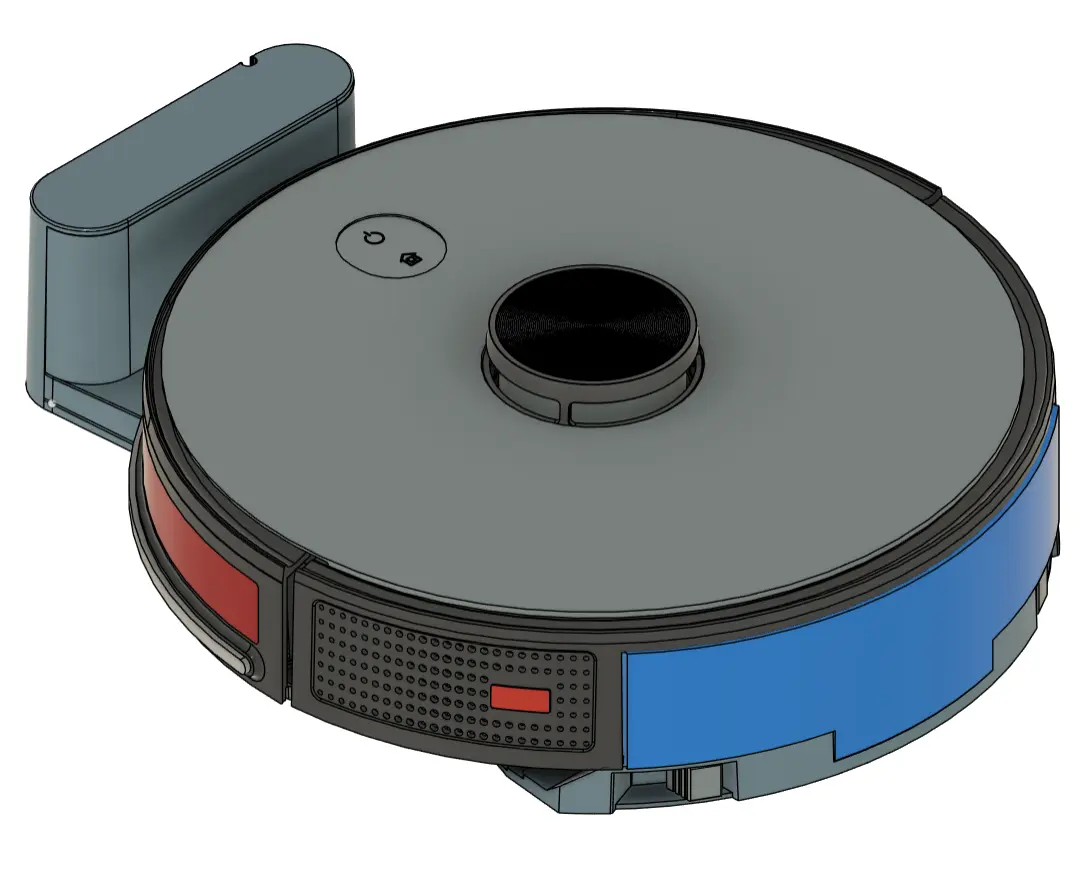
A new open-source robot vacuum project called OOMWOO launched this week, and it promises something commercial vacuums don't: full transparency. Open hardware, open firmware, open software. No cloud required. No subscriptions. You build it yourself, you own it completely.
The project comes from Maker's Pet, a maker-focused hardware shop. OOMWOO uses ROS 2 (the industry-standard robotics middleware), affordable 2D LiDAR for mapping, and integrates natively with Home Assistant. The entire thing runs locally on a Raspberry Pi 5 or ESP32.
What OOMWOO actually delivers
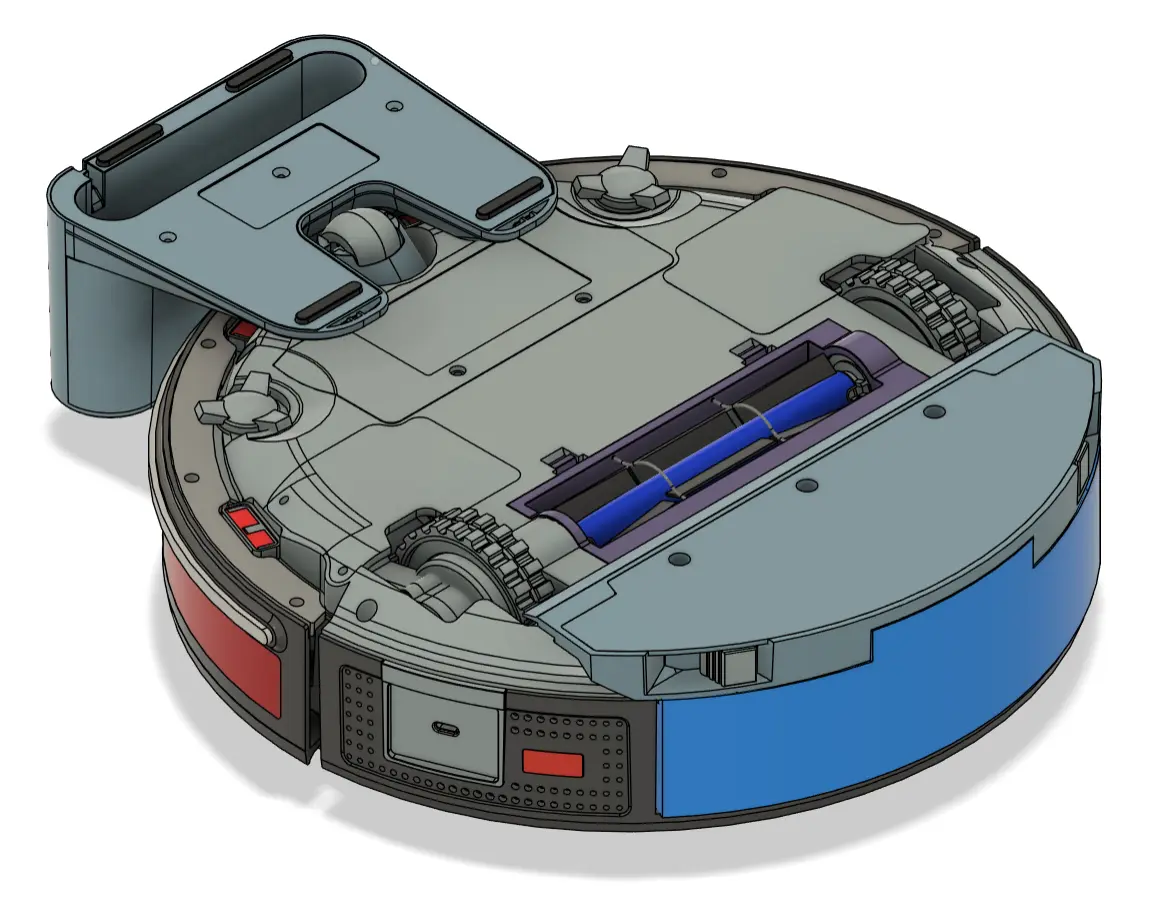
The project targets the maker community, specifically people comfortable with 3D printing, Raspberry Pi projects, and basic electronics. The chassis is 3D-printable. The navigation stack uses ROS 2 and Nav2 for autonomous movement. A complete bill of materials lets you source every part yourself.
The name is a rotational ambigram. Flip it 180 degrees and it reads the same. A small touch, but it signals the project's personality: playful engineering, not corporate polish.
Core features include 2D LiDAR mapping with SLAM, autonomous navigation, Home Assistant integration for local smart home control, and a modular architecture that lets contributors work on isolated pieces of the project.
Where the project stands right now
This is early. The creator is transparent about that. Hardware parts are still being sourced. 3D-printable files aren't published yet. Firmware doesn't exist.
What does exist: a working software development environment. You can install it and run OOMWOO in simulation in about 15 minutes. ROS 2 Gazebo simulation works. If you want to contribute code right now, you can test it on a real consumer vacuum as a placeholder while the hardware matures.
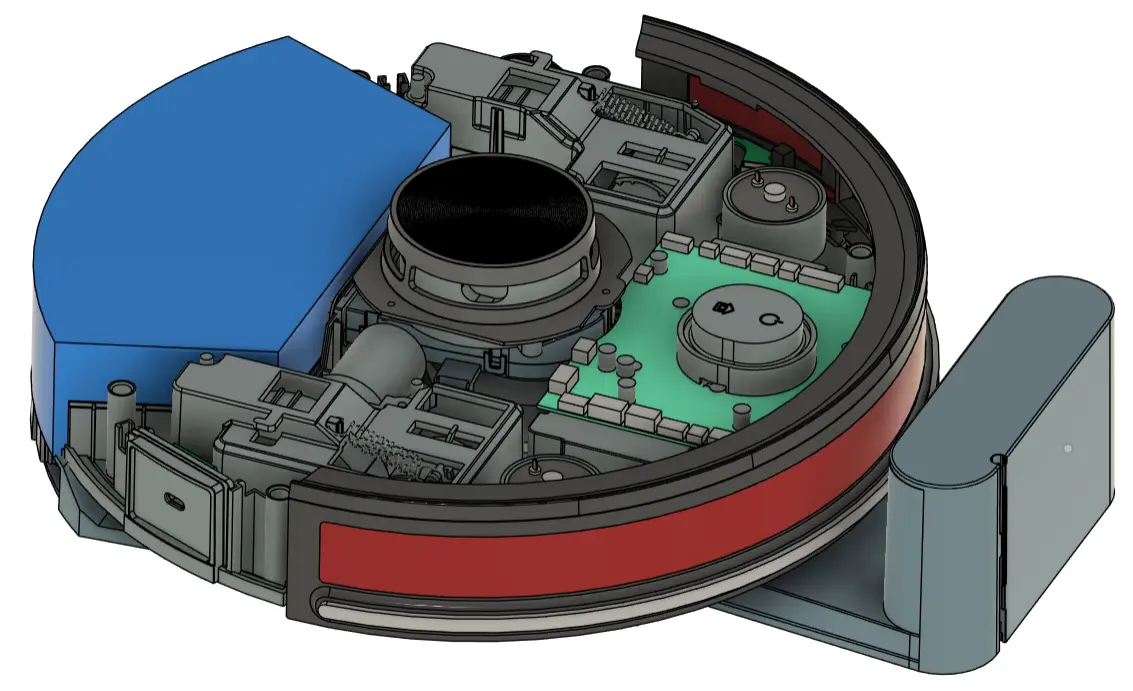
The first milestone (v0) targets a bare-bones working build: 3D-printed chassis, LiDAR with manual SLAM, ROS 2 running on a Raspberry Pi 5. The final architecture between Pi 5 and ESP32 with micro-ROS is still being decided.
The parallel development model
OOMWOO uses a modular contribution structure the creator calls "Requests for Contributions" (RFCs). The robot and its software are split into self-contained modules. You pick one, work on it whenever you want, submit a pull request. Multiple people can tackle the same module. Best solution wins over time.
Example RFCs include creating 3D STEP models of sourced parts, writing the map-and-clean code that performs SLAM while exploring, and reverse-engineering specs of parts that lack datasheets.
This approach could accelerate development significantly. It also means the project's success depends heavily on community engagement.
Why this matters beyond hobbyists
Commercial robot vacuums from iRobot, Roborock, and Ecovacs increasingly depend on cloud connectivity. They map your home. That data lives on someone else's servers. Privacy policies change. Companies get acquired. Features get paywalled through subscriptions.
OOMWOO sidesteps all of that. Everything runs locally. Your home map never leaves your network. There's no vendor to lock you in because you own every piece of the stack.
The global robot vacuum market hit $17.5 billion in 2023 and is projected to exceed $30 billion by 2030. Entry-level commercial vacuums with LiDAR navigation typically cost $200-400. OOMWOO's final cost will depend on sourcing, but the DIY approach could undercut commercial options while offering capabilities they don't.
How to follow or contribute
The main GitHub repository is at github.com/makerspet/oomwoo. A Discord server hosts build chat with twice-weekly updates. A YouTube channel for build-in-public videos is planned. The creator expects to set up an X account (@0OMWO0) by mid-July.
For those who want the hardware without the parts hunt, Maker's Pet plans to offer a convenience kit with motors, PCB, brushes, gaskets, and LiDAR. The kit is optional. You can source everything yourself using the published bill of materials.
Logicity's Take
OOMWOO is more interesting as a signal than a product. Commercial robot vacuums have become privacy liabilities, and the maker community is responding with local-first alternatives. The ROS 2 foundation is smart because it's the same middleware used in industrial and research robotics. If the project reaches critical mass, it could pressure commercial vendors the way Home Assistant pressured the smart home market. The risk: open hardware projects often stall at the "80% done" mark when contributors lose interest. Whether OOMWOO becomes a real alternative depends on whether it can ship that v0 milestone.
Frequently Asked Questions
How much will OOMWOO cost to build?
Final cost isn't confirmed yet. The creator is still sourcing parts. Commercial LiDAR-equipped vacuums run $200-400, so a DIY build could potentially come in under that, though it depends on your 3D printing setup and parts sourcing.
Do I need robotics experience to build OOMWOO?
The project targets makers comfortable with Raspberry Pi, 3D printing, and basic electronics. Step-by-step instructions are planned but not yet available. ROS 2 experience helps but isn't required.
Can OOMWOO work without Home Assistant?
Yes. Home Assistant integration is native but optional. The vacuum runs locally on ROS 2 and doesn't require any external system for basic cleaning and navigation.
When will OOMWOO hardware be ready?
No firm timeline. The project is in early hardware development, with parts still being sourced. Software simulation is available now. The v0 milestone targets a bare-bones working build but has no announced date.
Need Help Implementing This?
If you're exploring local-first smart home setups or evaluating open-source robotics for prototyping, reach out to Logicity for implementation guidance and vendor-neutral recommendations.
Source: Hacker News: Best
Huma Shazia
Senior AI & Tech Writer
Produced with AI assistance and reviewed by the Logicity editorial team. Learn more in our Editorial Policy.