Key Takeaways
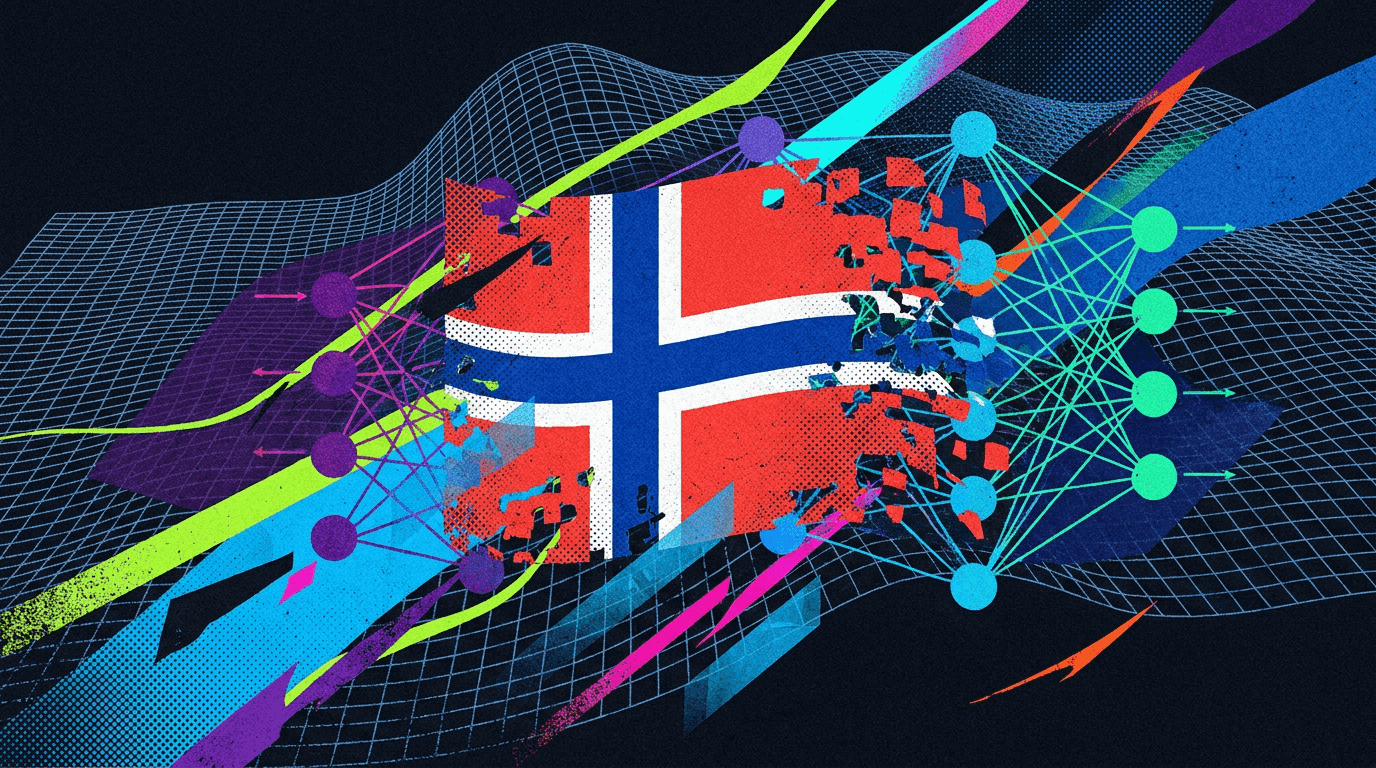
- Norway bans generative AI for ages 6-13 starting August 2026, with restricted use for ages 14-16
- PM Støre blames AI, smartphones, and screens for learning declines since 2015
- A new law will require schools to provide physical textbooks again
Norway will ban generative AI tools in elementary schools starting late August 2026. Students in grades 1 through 7, ages 6 to 13, will not be allowed to use tools like ChatGPT or similar assistants during school. The government says it wants to protect basic reading, writing, and math skills from being bypassed.
Prime Minister Jonas Gahr Støre announced the policy Friday, framing it as a correction after years of overemphasizing digital tools. "The most important thing in school is that our children learn to read, write, and do math," Støre said. "Uncritical use of AI causes students to skip important learning steps."
The rules draw a clear line by age. Children under 14 face a near-total ban. Students in lower secondary school, ages 14 to 16, can use AI tools cautiously under teacher supervision. Older students will receive training on how to use AI appropriately. This graduated approach acknowledges AI's utility while protecting foundational learning years.
Why is Norway banning AI in schools now?
Støre pointed to a decline in learning outcomes since around 2015. He holds smartphones, screens, and algorithms partly responsible. This tracks with PISA 2022 data, which showed significant drops in reading and math proficiency across OECD countries during the same period.
Norway has been moving in this direction for a while. The country already banned smartphones in schools and gave teachers more authority in classrooms. A social media ban for children under 16 is also in the works. The AI restrictions fit into a broader rethinking of technology's role in childhood development.
The government is also planning legislation to require municipalities to provide physical teaching materials. That means more books back in classrooms. Støre said previous governments gave digital media too much weight.
How does this compare to other countries?
Norway isn't alone in pulling back. Sweden reversed its tablet-heavy early learning approach in 2023 after studies showed declining literacy rates. Japan issued guidelines in 2023 calling for special caution with children under 13 and classifying AI-generated schoolwork as cheating.
In the United States, a 2024 court ruling established that schools can penalize unauthorized AI use. UC Berkeley Law School will ban AI for nearly all graded assignments starting summer 2026, allowing it only for research.
But the global picture is mixed. The United Arab Emirates is moving in the opposite direction, making AI a required subject from kindergarten through 12th grade starting in the 2025-26 school year. Germany's Conference of Ministers of Education called an AI ban "unrealistic and untenable" and wants AI woven into instruction.
What research exists on AI and student learning?
Swedish researchers examined the link between AI use and students' ability to learn as early as 2024. Their results showed both opportunities and risks. The concern isn't that AI is inherently harmful. It's that young children may skip the cognitive work that builds literacy and numeracy in the first place.
Think of it like calculators. No one argues calculators are bad, but most educators agree children need to learn arithmetic before relying on them. The same logic applies here: generative AI can summarize, write, and solve problems, but those skills need to be learned manually first.
Norway's 95% rate of one-to-one device programs in schools makes this ban particularly meaningful. These aren't classrooms that never had technology. They're classrooms deliberately stepping back from it.
What happens in August?
The new rules take effect when the Norwegian school year begins in late August. Elementary schools will need to enforce the AI ban. Secondary schools will need to train teachers on supervised AI use. Municipalities will begin providing physical textbooks under the forthcoming law.
Implementation details remain unclear. The government has not specified how schools will technically block AI tools or what penalties exist for violations. These policies often rely more on classroom culture than software enforcement.
Logicity's Take
For teams building AI education products, Norway's move signals a regulatory pattern worth watching. The market may split: enterprise and higher education products like Chegg's AI tools, Grammarly, or Khanmigo face looser restrictions, while K-8 products hit policy walls. If you're building for schools, consider age-gating features or creating teacher-controlled modes. Products that help educators monitor AI use, rather than just deliver AI features, may find a growing market. Companies like Turnitin are already pivoting toward AI detection alongside plagiarism detection. Expect more buyers to ask: does this help teachers stay in control?
Frequently Asked Questions
What ages are affected by Norway's AI ban in schools?
Children ages 6 to 13, in grades 1 through 7, face a near-total ban on generative AI tools. Students ages 14 to 16 can use AI under teacher supervision. Older students will receive training on appropriate AI use.
When does Norway's school AI ban take effect?
The ban takes effect at the start of the Norwegian school year in late August 2026.
Is Norway the only country banning AI in schools?
No. Japan issued similar guidelines in 2023, Sweden reversed its digital-first approach, and a U.S. court ruled schools can penalize unauthorized AI use. However, the UAE and Germany are moving in the opposite direction, integrating AI into curriculum.
Will Norway bring back physical textbooks?
Yes. The government plans to pass a law requiring municipalities to provide physical teaching materials, meaning more printed books in classrooms.
Why is Norway banning AI tools for young students?
Prime Minister Støre cited declining learning outcomes since 2015 and said uncritical AI use causes students to skip important learning steps in reading, writing, and math.
Need Help Implementing This?
Building AI tools for education and need help navigating emerging regulations? Logicity connects you with experts who understand both the technical and policy landscape. Contact us to discuss compliance-ready product design.
Source: The Decoder / Matthias Bastian
Manaal Khan
Tech & Innovation Writer
Produced with AI assistance and reviewed by the Logicity editorial team. Learn more in our Editorial Policy.