Key Takeaways
- Netris raised $15M Series A from Andreessen Horowitz for network automation software targeting AI neoclouds
- The platform already runs on 35+ GPU clusters totaling about one million GPUs, used by Lightning AI, Foxconn, and HPE
- Unlike software-defined networking, Netris claims full hardware acceleration, which CEO Alex Saroyan says AI workloads require
Netris, a network automation startup, has raised $15 million in a Series A round led by Andreessen Horowitz. The company sells software that automates network setup and configuration for AI-focused data centers, cutting what typically takes months down to days. Guido Appenzeller, a16z partner, is joining the board.
The funding comes as dozens of specialized cloud providers, often called neoclouds, race to capture AI workload demand that hyperscalers like AWS and Google Cloud cannot fully absorb. These new entrants face a bottleneck: even after securing GPUs, network switches, and storage, getting everything configured for multi-tenant AI inference and training is slow, expensive work.
What problem does Netris solve?
Traditional data center giants, Equinix, Microsoft, Oracle, solved network automation years ago by hiring large engineering teams or building internal tools. Small neocloud operators rarely have those resources. Meanwhile, legacy software-defined networking falls short for AI workloads because the traffic volumes demand hardware-level acceleration, not software-layer routing.
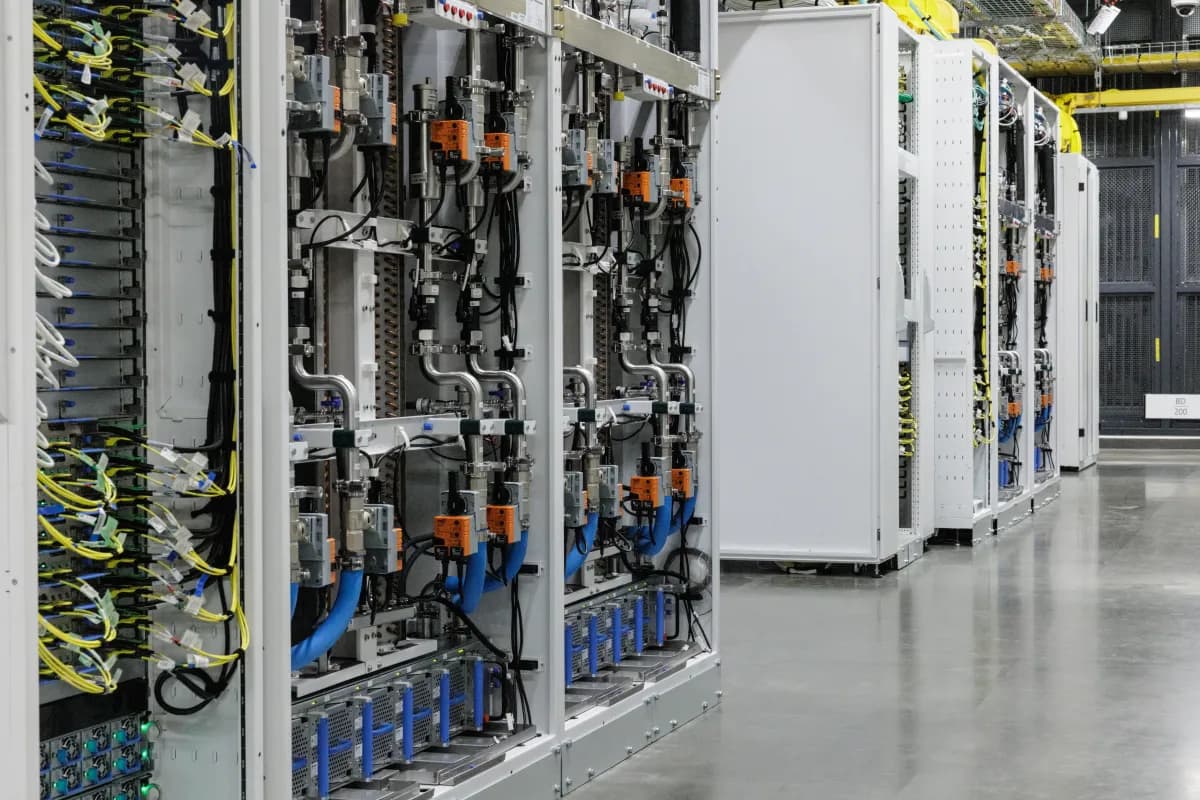
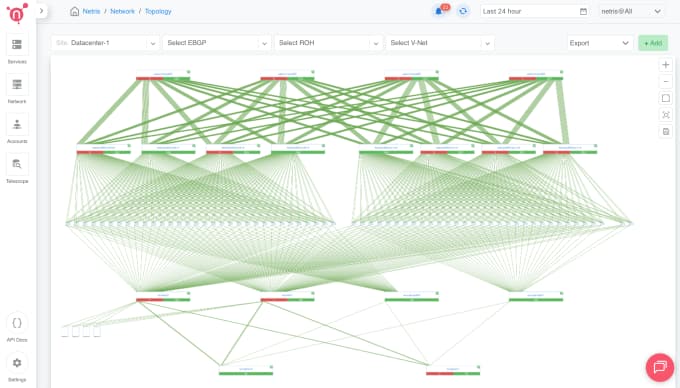
Netris provides software that runs directly on network switches plus a management platform that handles setup, configuration, and ongoing operations. It also abstracts hardware, so operators can swap components without re-architecting, and isolates resources at the hardware layer for multi-tenant use.
“As a GPU cluster operator, you need to make configuration changes to every link, every day. For AI, software is not okay, because the amount of traffic is so high, everything must be hardware accelerated. This is what we do, and this is what we've been doing for eight years.”
— Alex Saroyan, CEO, Netris
Who's already using it?
Netris claims its platform is live on more than 35 GPU clusters worldwide, totaling roughly one million GPUs. Customers include Lightning AI, Foxconn, Visionbay, Hewlett Packard Enterprise, TensorWave, and Telus. The company says Nvidia was impressed enough by a demo two years ago that it began recommending Netris to its own customers.
The platform is vendor-agnostic, compatible with standard networking equipment and supporting both Nvidia and AMD server environments. That flexibility matters as neoclouds often piece together hardware from multiple suppliers.
No AI in the product, by design
Despite serving AI workloads, Netris does not use AI in its automation engine. Saroyan said the company relies on algorithms it developed before the current AI wave.
“AI is not deterministic, right? Sometimes it likes to do things on its own. It's good for creative work, but for changing many thousands of switch configurations, you don't need to be creative. You need to be very persistent and repeatable.”
— Alex Saroyan, CEO, Netris
The argument is pragmatic: network configuration at scale requires predictable, repeatable execution. An algorithm that occasionally improvises is a liability when a single misconfigured link can take down training jobs worth hundreds of thousands of dollars per hour.
What's next for Netris?
The company plans to use the $15 million to hire engineers and sales staff, expand support for additional hardware vendors, and add features to its automation algorithms. With a16z's backing and Nvidia's implicit endorsement, Netris is positioning itself as infrastructure plumbing for the neocloud buildout.
The bet is straightforward: every week a neocloud spends configuring networks is a week of idle GPUs. If Netris can compress that timeline reliably, the ROI math writes itself.
Frequently Asked Questions
What is a neocloud?
Neoclouds are specialized cloud providers like CoreWeave, Lambda Labs, and TensorWave that focus almost exclusively on GPU compute for AI training and inference. They emerged to serve demand that hyperscalers could not fully absorb.
How does Netris differ from software-defined networking?
Traditional SDN handles network configuration at the software layer. Netris provides hardware-accelerated automation, which the company says is necessary for the high traffic volumes AI workloads generate.
How much has Netris raised in total?
The company just closed a $15 million Series A from Andreessen Horowitz. Prior funding amounts were not disclosed in this announcement.
Does Netris work with AMD GPUs or only Nvidia?
Netris says its platform is vendor-agnostic and supports both Nvidia and AMD server environments.
Logicity's Take
Netris sits at a quiet choke point in the AI infrastructure stack. GPUs get the headlines, but networking complexity is what actually delays neocloud launches. With Nvidia effectively serving as a referral engine and a16z providing capital and credibility, Netris has a real shot at becoming default tooling for the wave of specialized AI clouds still being built. The risk? Hyperscalers eventually productize this layer themselves, or a well-funded competitor emerges. For now, the eight-year head start matters.
Need Help Implementing This?
If you're building or scaling AI infrastructure and want to explore network automation solutions, reach out to our team at Logicity. We connect CTOs and infrastructure leads with the right vendors and implementation partners.
Source: TechCrunch / Ram Iyer
Manaal Khan
Tech & Innovation Writer
Produced with AI assistance and reviewed by the Logicity editorial team. Learn more in our Editorial Policy.