Key Takeaways
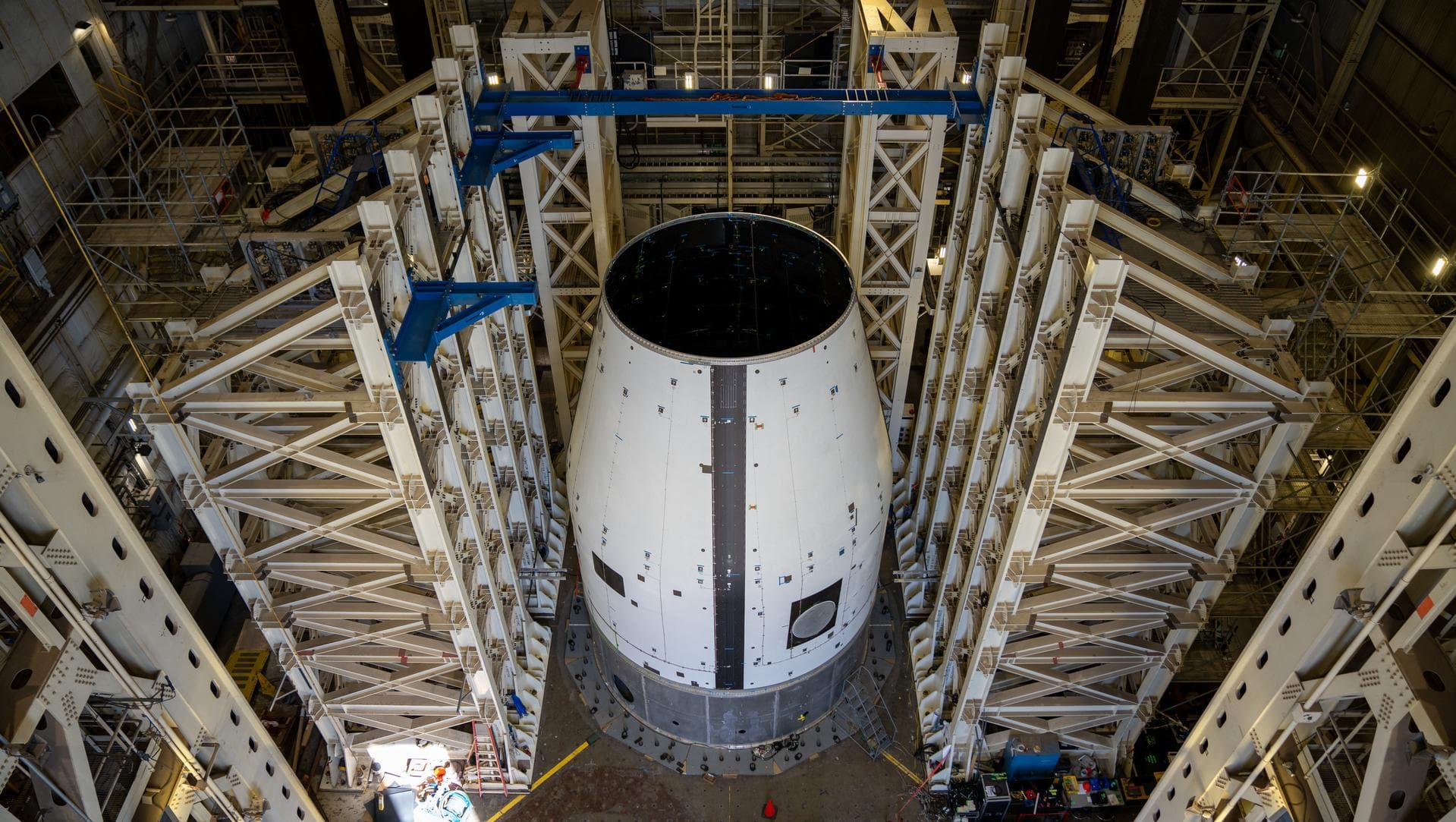
- Four canceled Artemis programs ballooned from $2.8 billion to $5.9 billion with delays up to seven years
- The Universal Stage Adapter alone would have cost $497 million and taken 13 years to build
- The Lunar Gateway wouldn't have been operational until at least 2032 under the old timeline
NASA's inspector general has released data backing Administrator Jared Isaacman's decision to cancel four major Artemis programs in March. The numbers are damning: combined contract values grew from $2.8 billion to $5.9 billion, delivery dates slipped by up to seven years, and the programs still weren't ready.
The most absurd example sits in plain view. The Universal Stage Adapter, a composite cylinder that connects the Orion spacecraft to the rocket's upper stage, was on track to cost $497 million and wouldn't have been ready until May 2030. That's 13 years for what is, essentially, an unpowered connector. No propulsion. No life support. Just a tube.
What did NASA cancel and why?
The Wednesday memorandum from NASA's Office of the Inspector General examined four programs axed during the March "Ignition" event, when Isaacman announced NASA would pivot from building a space station in lunar orbit to a base on the surface:
- Exploration Upper Stage: an upgrade for the Space Launch System rocket
- Universal Stage Adapter: links Orion to the Exploration Upper Stage
- Mobile Launcher 2: a larger launch tower for the upgraded rocket
- Habitation and Logistics Outpost: a habitation module for the Lunar Gateway
Contractors, predictably, pushed back. They argued NASA was abandoning nearly complete hardware. The inspector general's data tells a different story. These programs weren't nearly complete. They were nowhere close.
How did a stage adapter cost half a billion dollars?
Dynetics won the Universal Stage Adapter contract in June 2017. The original deal: $131 million, plus $9 million later for a payload separation system. Simple enough for a composite structure weighing 9,650 pounds and standing 33 feet tall.
By the time Isaacman pulled the plug, the contract had grown to $353 million with delivery pushed to September 2028. The inspector general projected the real numbers: $497 million and May 2030.
For context, that's roughly what SpaceX spent developing the entire Falcon 9 rocket. For a stage adapter.
When would the Lunar Gateway have been ready?
The inspector general delivered another uncomfortable finding: based on delays with the Habitation and Logistics Outpost, the Lunar Gateway wouldn't have been operational until at least 2032. NASA formally asked Northrop Grumman to stop work on the module last week.
Lori Glaze, chief of NASA's Human Spaceflight Directorate, didn't dispute the findings. In a written response, she said the data "reinforces the rationale" behind the cancellations, citing "cost growth, schedule slips, contractor performance issues, and evolving mission requirements."
“For too long we tried to satisfy every stakeholder. Billions of dollars wasted. Years lost. Hardware that never launched. Fewer flagship science missions. And fewer astronauts in space, which means fewer kids dressing up as astronauts for Halloween.”
— Jared Isaacman, NASA Administrator
What does this mean for Artemis?
Isaacman's argument from March holds up: these programs weren't essential for landing humans on the Moon. They were nice-to-haves that became budget sinkholes. The Exploration Upper Stage would have boosted payload capacity, but the existing Space Launch System can still send astronauts to lunar orbit.
The pivot to a lunar surface base rather than an orbital station reflects a broader shift in thinking. An orbiting Gateway sounds impressive until you realize it adds complexity, cost, and delay to every mission. A surface base, by contrast, is where the science happens.
The inspector general's memorandum also reveals something uncomfortable about NASA's acquisition practices. Cost-plus contracts, where the government reimburses contractor expenses plus a fee, create weak incentives for staying on budget. When overruns are reimbursed, there's no penalty for missing estimates.
The contractor pushback doesn't hold up
Some contractors complained that NASA was walking away from "nearly complete hardware." The inspector general's projections undercut that claim. If completion were close, why would the Universal Stage Adapter need four more years and another $144 million beyond its already-inflated contract value?
The pattern repeated across all four programs. Each one was years late and billions over budget, with no clear finish line in sight. Continuing to fund them would have meant throwing good money after bad while delaying the actual goal: boots on the Moon.
Frequently Asked Questions
Why did NASA cancel the Exploration Upper Stage?
NASA determined it wasn't essential for landing humans on the Moon and was running years late and billions over budget. The inspector general's data confirmed the program would have cost far more than contracted.
How much did NASA spend on canceled Artemis programs?
The four canceled programs saw combined contract values grow from $2.8 billion to $5.9 billion, with the inspector general projecting even higher costs if work had continued.
Is the Lunar Gateway still happening?
NASA has pivoted away from the Gateway concept. The Habitation and Logistics Outpost has been canceled, and NASA formally asked Northrop Grumman to stop work on the module.
What is NASA's new Artemis plan?
NASA announced during the March 2026 'Ignition' event that it will focus on building a base on the lunar surface rather than an orbiting space station.
Will these cancellations delay the Moon landing?
Isaacman argues the opposite. The canceled programs weren't required for landing humans on the Moon, and continuing them would have consumed budget and attention.
Logicity's Take
This report validates what space policy critics have argued for years: NASA's traditional contracting model produces jobs programs, not spaceships. SpaceX built Falcon 9 for roughly what NASA spent on a stage adapter. The agency's pivot toward fixed-price contracts and commercial partnerships isn't just Isaacman's preference. It's survival. NASA can't compete for funding if every project becomes a decade-long money pit.
Need Help Implementing This?
Logicity covers space technology and aerospace industry developments. Subscribe to our newsletter for analysis on NASA policy, commercial space, and emerging launch providers.
Source: Ars Technica
Huma Shazia
Senior AI & Tech Writer
Produced with AI assistance and reviewed by the Logicity editorial team. Learn more in our Editorial Policy.




