Key Takeaways
- Microsoft has royalty-free access to OpenAI's frontier AI models and IP through 2032
- Microsoft's AI business reached $37 billion annual run rate, up 123% year over year
- OpenAI committed to buying over $250 billion in Microsoft cloud services, and Microsoft holds a 27% stake
Nadella Defends Revised OpenAI Partnership
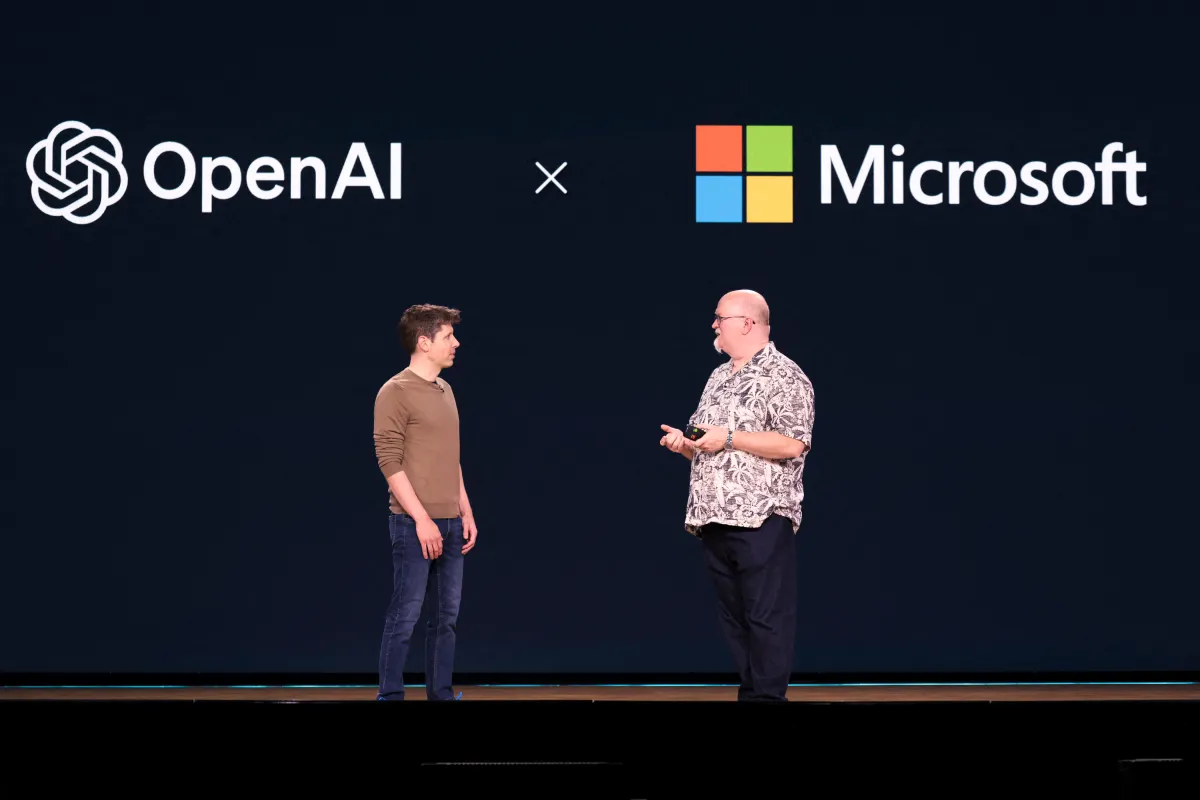
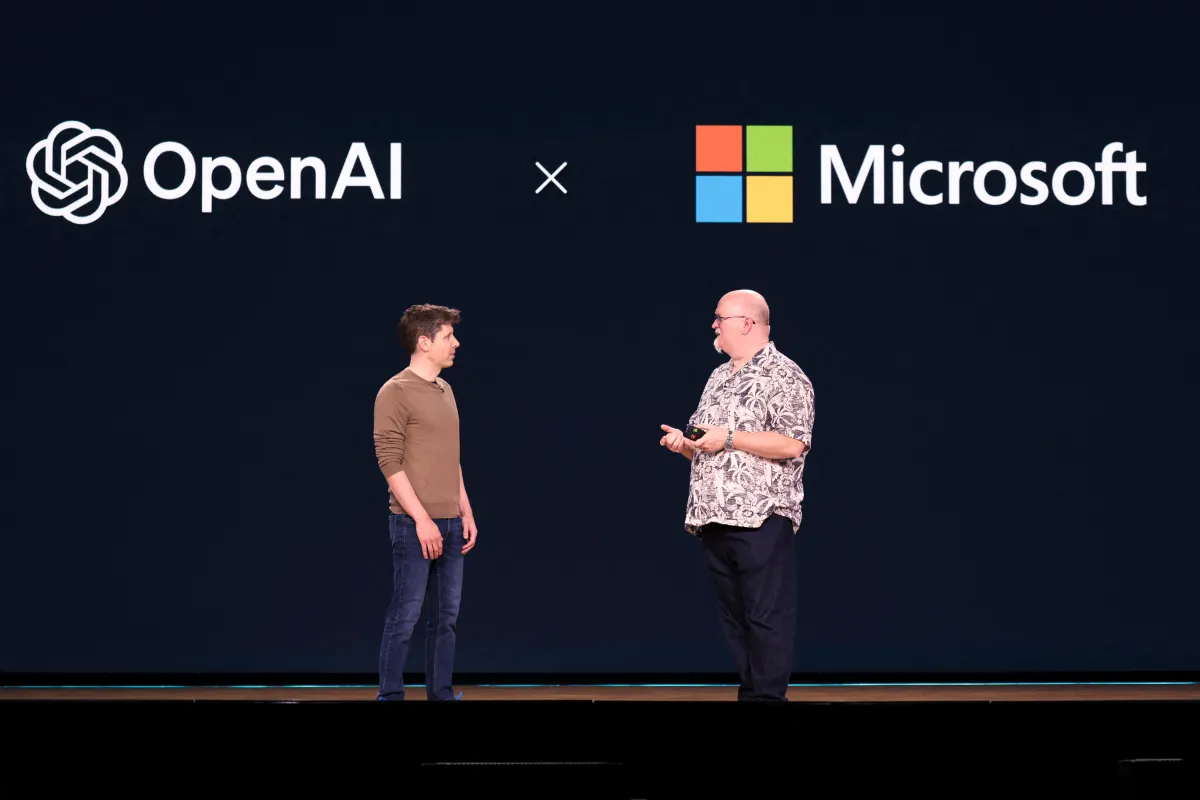
Microsoft CEO Satya Nadella pushed back on concerns about the company's revised OpenAI partnership during Wednesday's earnings call. When a Wall Street analyst asked how the new agreement would affect Microsoft's finances, Nadella called it a win for both sides.
“We feel good about our partnership with OpenAI. I'm always very focused on any partnership and ensuring that there's a win-win construct at all times. I mean, that's how you can remain good partners.”
— Satya Nadella, Microsoft CEO
The comments come after weeks of speculation that Microsoft had lost its edge in AI. OpenAI recently announced exclusive products with Amazon, Microsoft's largest cloud rival. Sam Altman and AWS CEO Mark Garman even did joint interviews about their collaboration.
Nadella didn't seem worried. He pointed to one key detail: Microsoft no longer has to pay OpenAI for access to its technology.
Royalty-Free Access Through 2032
The CEO emphasized that Microsoft has retained access to OpenAI's intellectual property, including its models and agent products. The difference now is the cost structure.
“We have a frontier model, with all the IP rights that we will have access to all the way to '32 and we fully plan to exploit it.”
— Satya Nadella, Microsoft CEO
That's a significant runway. Six years of royalty-free access to OpenAI's most advanced AI gives Microsoft time to build products, train enterprise customers, and deepen Azure integrations without paying licensing fees.
OpenAI Is Now a Major Microsoft Customer
Nadella also flipped the narrative on who depends on whom. OpenAI has committed to buying more than $250 billion worth of Microsoft cloud services. That makes OpenAI one of Microsoft's largest Azure customers.
"They're a large customer of ours, not just on the AI accelerator side, but also on all the other compute sides," Nadella said. "And so we want to serve them well. And then, of course, we have our equity."
That equity stake stands at 27%. Even if OpenAI builds products with Amazon, Microsoft still benefits from OpenAI's growth through its ownership position and cloud revenue.
Recent data on Microsoft's AI product adoption
Enterprises Want Multiple AI Models
Nadella made one more point that cuts against the OpenAI-Amazon panic: enterprises don't want to be locked into a single AI provider. They want options.
This suggests OpenAI's relative importance to enterprise customers isn't as dominant as it once was. Companies are hedging their bets across multiple model providers. Microsoft can serve that demand with OpenAI models, its own models, and third-party options through Azure.
The revised partnership may actually help Microsoft position itself as a multi-model platform rather than an OpenAI-only shop. That's a more defensible long-term position as the AI market matures.
The Numbers Back the Confidence
Microsoft reported earnings on Wednesday, covering the last full quarter under the previous OpenAI deal. The AI business hit an annual revenue run rate of $37 billion. That's 123% growth year over year.
Those numbers give Nadella room to shrug off concerns. The partnership is generating real revenue, and the new terms appear more favorable to Microsoft's margins.
Logicity's Take
Frequently Asked Questions
Does Microsoft still have access to OpenAI's AI models?
Yes. Microsoft has royalty-free access to OpenAI's frontier models and intellectual property through 2032. The key change is Microsoft no longer pays licensing fees for this access.
How much is OpenAI paying Microsoft for cloud services?
OpenAI committed to purchasing more than $250 billion worth of Microsoft Azure cloud services. This makes OpenAI one of Microsoft's largest cloud customers.
What is Microsoft's stake in OpenAI?
Microsoft owns 27% of OpenAI. This equity position means Microsoft benefits from OpenAI's growth regardless of which cloud providers OpenAI partners with.
Is Microsoft losing its AI advantage to Amazon?
Nadella dismissed these concerns. Microsoft's AI business grew 123% year over year to $37 billion annual run rate. He also noted that enterprises want multiple AI model providers, not exclusive relationships.
Need Help Implementing This?
Source: Enterprise News | TechCrunch / Julie Bort
Manaal Khan
Tech & Innovation Writer
Produced with AI assistance and reviewed by the Logicity editorial team. Learn more in our Editorial Policy.




