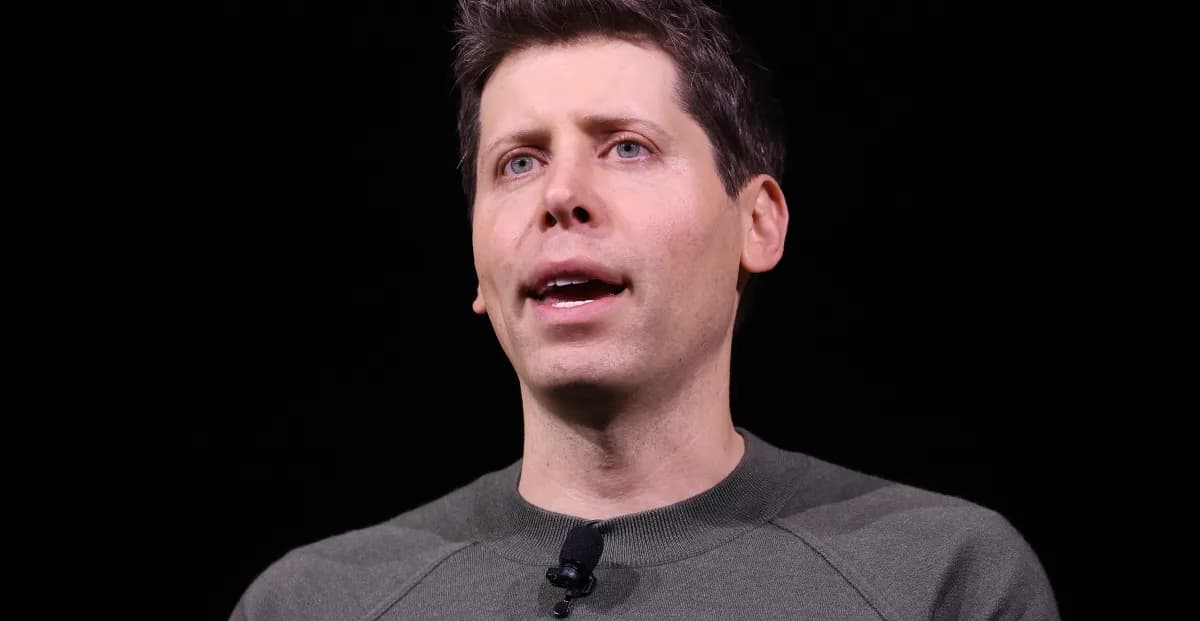
A 20-year-old man has been arrested for allegedly hurling a Molotov cocktail at OpenAI CEO Sam Altman’s San Francisco residence, followed by threatening behavior near company offices. The early-morning incident, captured on camera, sparked a swift police response and raised concerns about the safety of tech leaders amid rising AI tensions.
Key Takeaways
- A Molotov cocktail was thrown at Sam Altman’s Russian Hill home around 7AM ET.
- The suspect was later seen threatening OpenAI’s Mission Bay headquarters before arrest.
- No one was hurt, and police responded rapidly to both incidents.
- OpenAI praised law enforcement and confirmed cooperation with the ongoing investigation.
- The motive remains unclear, but the event highlights growing scrutiny and backlash around AI leadership.
In This Article
- The Attack That Rocked the AI Community
- From House to Headquarters: A Trail of Threats
- OpenAI Speaks Out: 'Thankfully, No One Was Hurt'
- Why This Incident Matters Beyond One CEO
The Attack That Rocked the AI Community
Just before 7AM ET on a quiet Friday morning in San Francisco, a fiery object shattered the calm outside OpenAI CEO Sam Altman’s home in the upscale Russian Hill neighborhood. Surveillance footage captured the alarming moment when a Molotov cocktail was allegedly thrown at the residence — an act that would set off a chain of events culminating in an arrest just hours later.
- The explosive device landed near Altman’s property but didn’t cause major damage or injuries.
- The timing and precision of the attack suggest it may have been targeted rather than random.
- Local authorities were immediately dispatched after the security system flagged suspicious activity.
View our latest statement regarding an incident that occurred early this morning at a North Beach residence. Officers have made an arrest, and no injuries were reported as a result of this incident. pic.twitter.com/t4DsF31uxh
— San Francisco Police (@SFPD) April 10, 2026
From House to Headquarters: A Trail of Threats
The story didn’t end at Altman’s front door. Hours after the attack, a man matching the suspect’s description showed up near OpenAI’s headquarters in Mission Bay, where witnesses reported aggressive and threatening behavior — including claims he would 'burn down the building.'
- San Francisco Police Department (SFPD) responded to the 1400 block of 3rd Street, where OpenAI’s main office is located.
- The suspect was apprehended around 9AM ET after making public threats outside the building.
- Though charges haven’t been formally filed, investigators are treating the case as a potential act of domestic terrorism or targeted harassment.
OpenAI Speaks Out: 'Thankfully, No One Was Hurt'
In the wake of the dual incidents, OpenAI issued a formal statement addressing the safety of its team and leadership. The company expressed gratitude toward law enforcement while reaffirming its commitment to responsible AI development — even amid growing hostility from certain fringe groups.
- OpenAI spokesperson Jamie Radice emphasized the importance of employee safety and swift police intervention.
- The company is actively assisting with the ongoing investigation.
- This event underscores how high-profile tech figures are increasingly facing real-world risks due to online polarization.
Why This Incident Matters Beyond One CEO
While Sam Altman is a central figure in the AI revolution, this attack isn’t just about one person — it reflects deeper societal tensions surrounding artificial intelligence, technological control, and public anxiety over rapid innovation.
- As AI reshapes jobs, privacy, and governance, backlash against its leaders is intensifying.
- Some online communities have vilified figures like Altman, labeling them 'AI overlords' or 'tech tyrants.'
- Security experts warn that high-profile tech executives may need enhanced personal protection moving forward.
“Thankfully, no one was hurt. We deeply appreciate how quickly SFPD responded and the support from the city in helping keep our employees safe.”
— Jamie Radice, OpenAI Spokesperson
“The individual is in custody, and we’re assisting law enforcement with their investigation.”
— Jamie Radice, OpenAI Spokesperson
Final Thoughts
This disturbing episode marks a troubling escalation in how public frustration with AI can manifest in real-world violence. As the investigation continues, it’s clear that the conversation around AI ethics and leadership safety must evolve — not just in boardrooms, but in our communities and laws.
Sources & Credits
Originally reported by — Stevie Bonifield

Manaal Khan
Tech & Innovation Writer
Produced with AI assistance and reviewed by the Logicity editorial team. Learn more in our Editorial Policy.