Key Takeaways
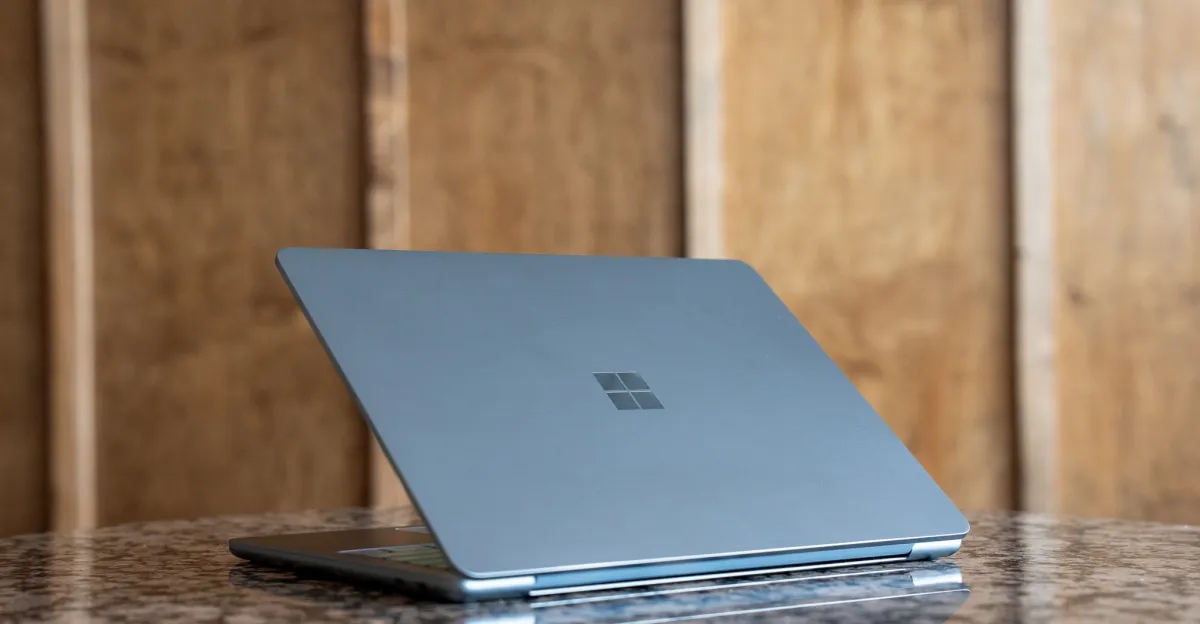
- New 12-inch Surface Pro starts at $849 with 8GB RAM, down from $1,049 for the 16GB version
- 13-inch Surface Laptop now available at $949 with 8GB RAM instead of 16GB
- Neither budget model supports Copilot Plus, which requires 16GB minimum
Microsoft quietly added budget versions of its 12-inch Surface Pro and 13-inch Surface Laptop, cutting RAM from 16GB to 8GB to lower entry prices. The specced-down Surface Pro now starts at $849; the Surface Laptop at $949. Both retain the Snapdragon X Plus chip and 256GB storage but lose access to Copilot Plus, Microsoft's on-device AI features that require 16GB.
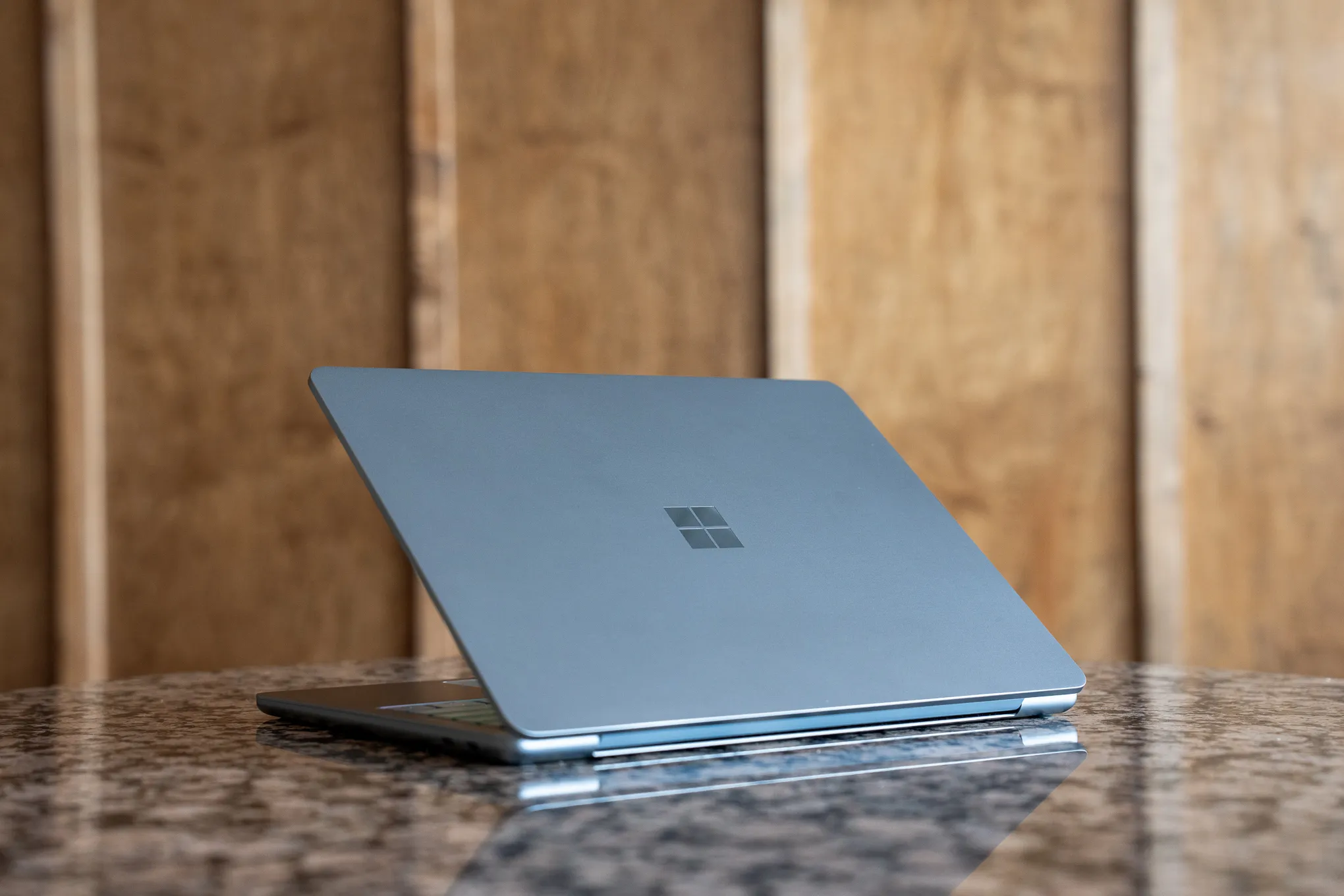
Why is Microsoft selling 8GB Surface devices in 2026?
The short answer: price pressure. When the current Surface Pro and Surface Laptop launched in 2025, the base configurations shipped with 16GB RAM and 256GB storage at $799 and $899. Microsoft raised those prices to $1,049 and $1,199 in April 2026, effectively pushing entry-level buyers out of the lineup. The new 8GB models restore a sub-$1,000 option, though at a meaningful spec penalty.
Windows Central first spotted the listings. Microsoft hasn't announced why it made this move, but the timing coincides with Apple's $599 MacBook Neo disrupting the budget laptop segment. That machine has drawn buyers who would otherwise consider a Surface, and Microsoft needed a response.
What do you lose with 8GB RAM?
The obvious trade-off is multitasking headroom. Running a browser with 15 tabs, a Slack instance, and a spreadsheet will push an 8GB machine harder than a 16GB one. For light users, email and document work, the difference may never surface. For developers or anyone running local AI tools, it will.
The bigger issue: Copilot Plus won't run. Microsoft's on-device AI features, including advanced Recall search, live captions, and generative image tools, require 16GB as a hard floor. Buying the cheaper Surface means opting out of the AI stack Microsoft has spent the last two years building into Windows.
That's a strange position for Microsoft. The company has marketed Copilot Plus as the headline reason to buy new Surface hardware. Selling machines that can't use it undercuts that message.
How does the $849 Surface Pro compare to the MacBook Neo?
Apple's $599 MacBook Neo has reset expectations for what a budget laptop should deliver. It ships with Apple's M-series silicon and reportedly handles everyday tasks with speed that belies its price. At $849, the 8GB Surface Pro costs 42% more and offers less RAM flexibility, since macOS handles memory pressure differently than Windows.
The Surface Pro does have one advantage: it's a 2-in-1 with pen support. If you need tablet mode or stylus input, Apple's cheapest option doesn't compete. But for pure laptop use, the Neo looks like the better value right now.
Logicity's Take
Microsoft is caught between two pressures. It needs a sub-$1,000 Surface to compete with the MacBook Neo, but it also needs to sell Copilot Plus as the reason to buy a Surface at all. These 8GB models solve the first problem while creating the second. For IT buyers provisioning employee machines, the calculus is straightforward: if your team needs AI features, spend the extra $200 for 16GB. If they don't, question whether a Surface is the right choice at all when the MacBook Neo costs $250 less. The 8GB Surface feels like a stopgap, not a strategy.
Should you buy the 8GB Surface Pro or Surface Laptop?
For students or light office users who won't touch AI features, the 8GB models are fine. They run the same Snapdragon X Plus chip as the 16GB versions, so single-threaded performance is identical. Battery life should be similar too.
For anyone else, the 16GB versions remain the safer pick. RAM is the one spec you can't upgrade later, and Windows has a long history of consuming more memory with each major update. An 8GB machine that feels snappy today may struggle in two years.
Frequently Asked Questions
Does the 8GB Surface Pro support Windows Copilot Plus?
No. Copilot Plus requires 16GB of RAM as a minimum. The 8GB Surface Pro and Surface Laptop cannot run on-device AI features like Recall, advanced live captions, or generative image tools.
What's the price difference between 8GB and 16GB Surface models?
The 8GB Surface Pro costs $849 versus $1,049 for the 16GB version, a $200 difference. The 8GB Surface Laptop is $949 compared to $1,199 for 16GB, a $250 gap.
Is 8GB RAM enough for Windows 11 in 2026?
For basic tasks like web browsing, email, and document editing, 8GB is adequate. Heavy multitasking, development work, or running local AI tools will strain an 8GB machine.
How does the Surface Pro compare to the MacBook Neo?
The MacBook Neo costs $599 and has drawn praise for its performance. The 8GB Surface Pro at $849 is 42% more expensive but offers tablet mode and stylus support that the MacBook Neo lacks.
Need Help Implementing This?
If you're evaluating hardware for your team and want guidance on balancing cost, performance, and AI readiness, reach out to our team at Logicity. We help tech leaders make procurement decisions that scale.
Huma Shazia
Senior AI & Tech Writer
Produced with AI assistance and reviewed by the Logicity editorial team. Learn more in our Editorial Policy.