Key Takeaways
Microsoft Just Open-Sourced the App That Drew Your Chats as Comics
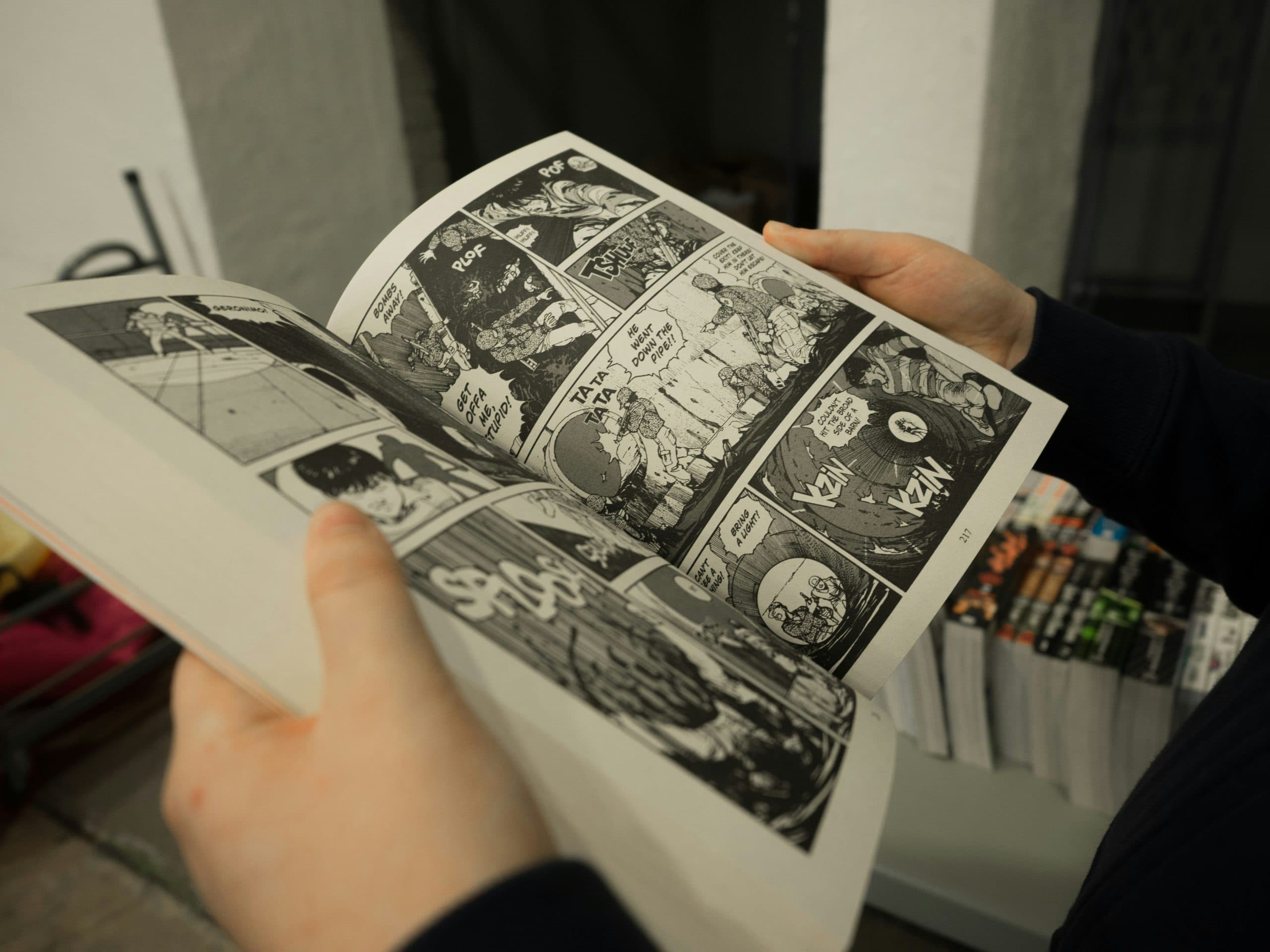
- Microsoft has open-sourced Comic Chat, the 1996 IRC client that converted text chats into comic strip panels
- The application was instrumental in popularizing Comic Sans, now one of the most recognized (and debated) fonts globally
- The release is part of Microsoft's broader effort to preserve computing history and legacy codebases
Microsoft has released the source code for Comic Chat, the quirky IRC client from 1996 that transformed text conversations into comic strip panels. The application, which shipped with Internet Explorer 3.0, is now available for developers to study, modify, and run. More than a nostalgia trip, Comic Chat was the software that brought Comic Sans into mainstream use.
The release comes after 28 years of the code sitting in Microsoft's vaults. Comic Chat used Comic Sans as its default typeface for all dialogue bubbles, exposing millions of users to the font that Vincent Connare had originally designed for Microsoft Bob in 1994. When IE 3.0 hit an estimated 50 million downloads, Comic Chat went with it.
What made Comic Chat different from other IRC clients?
Most IRC clients in 1996 displayed conversations as scrolling lines of text. Comic Chat took a radically different approach. It rendered each message as a panel in a comic strip, complete with cartoon avatars, speech bubbles, and dynamic layouts. Users picked a character, and the software handled the rest.
The technology came from Microsoft researcher David Kurlander. Underground comics artist Jim Woodring designed the visual style and characters. The result was something that looked nothing like any other communication tool of its era.
Every speech bubble used Comic Sans. For many users, this was their first encounter with the font. It felt playful and informal, exactly what Connare intended. "I designed Comic Sans to be a friendly, informal font. It was never intended for serious documents," Connare has said. Comic Chat was the perfect home for it.
Why open-source a 28-year-old IRC client?
Microsoft frames this as digital preservation. Legacy software disappears when companies stop maintaining it. Binaries break on modern operating systems. Source code, once lost, cannot be recovered.
For engineering teams, the release offers something more practical: a window into late-1990s Windows development. Comic Chat predates .NET, modern DirectX, and most abstractions developers now take for granted. The codebase shows how Microsoft engineers solved UI rendering, network communication, and real-time interaction with the tools available in 1996.
There's also the question of community interest. Retro computing has grown as a hobby. Developers rebuild old games, reverse-engineer vintage software, and create modern ports of abandoned applications. Microsoft providing the original source saves those efforts years of work.
Comic Sans: from Bob to ubiquity to backlash
Comic Sans has a complicated legacy. Connare created it in 1994 when he noticed Microsoft Bob used Times New Roman for speech bubbles. He sketched a more casual alternative, drawing inspiration from comic book lettering. The font shipped with Windows 95.
Comic Chat spread it everywhere. Suddenly, Comic Sans appeared in school projects, office memos, and church bulletins. Designers began complaining. The font repeatedly topped polls as the most hated typeface in existence. Websites dedicated to banning it appeared.
Yet Comic Sans persists. Dyslexia researchers have noted that its irregular letterforms can improve readability for some readers. It remains one of the most recognized fonts in the world. The open-sourcing of Comic Chat puts the font's origin story back in the spotlight.
What can engineers actually do with this code?
The obvious project is getting Comic Chat running on modern Windows. The original binaries require Windows 95/98/NT-era libraries. Someone will port it. Someone always does.
More interesting possibilities exist. The comic-generation algorithm could be extracted and adapted for modern messaging apps. Imagine Slack or Discord conversations rendered as comic strips. The character animation system could inform projects exploring procedural avatar generation.
For educators, the codebase works as a teaching tool. It demonstrates real-world Win32 API usage, IRC protocol handling, and graphics rendering without modern framework abstractions. Students see what code looked like before the conveniences they've always known.
Logicity's Take
Microsoft's open-source release of Comic Chat matters less for the code than for the precedent. Large tech companies hold decades of legacy software that will never see commercial use again. Open-sourcing it costs little and preserves computing history. For DevOps teams maintaining ancient internal tools, this is a reminder: document everything, because in 28 years, someone might want to understand what you built. The Comic Chat codebase also offers a rare benchmark for measuring how far development practices have evolved since the Win32 era.
Frequently Asked Questions
Where can I download the Microsoft Comic Chat source code?
Microsoft has released the source code through its official channels as part of its legacy software preservation efforts. Check Microsoft's GitHub repositories or the Microsoft Open Source portal for the release.
Will Comic Chat run on Windows 10 or Windows 11?
The original binaries were built for Windows 95/98/NT and require era-specific libraries. Running it on modern Windows will likely require compatibility mode, virtual machines, or community-created ports using the newly released source code.
Why was Comic Sans created?
Vincent Connare designed Comic Sans in 1994 when he noticed Microsoft Bob used Times New Roman in speech bubbles. He created a more casual, comic-book-inspired font as a friendlier alternative for informal software interfaces.
Is Microsoft open-sourcing other legacy software?
This release is part of a broader Microsoft effort to preserve computing history. The company has previously released source code for MS-DOS, early versions of Word, and GW-BASIC.
Need Help Implementing This?
Whether you're exploring legacy codebases or building modern communication tools, Logicity covers the tech decisions that matter. Subscribe for weekly analysis of cloud infrastructure, development tools, and engineering leadership.
Source: The New Stack / Paul Sawers
Huma Shazia
Senior AI & Tech Writer
Produced with AI assistance and reviewed by the Logicity editorial team. Learn more in our Editorial Policy.