Key Takeaways

- Microsoft will merge consumer and enterprise Copilot apps into one product in August
- New AutoPilot agents will handle background tasks like scheduling and email summaries
- The company killed Copilot Podcasts and Copilot Labs, shifting focus to 'real work'
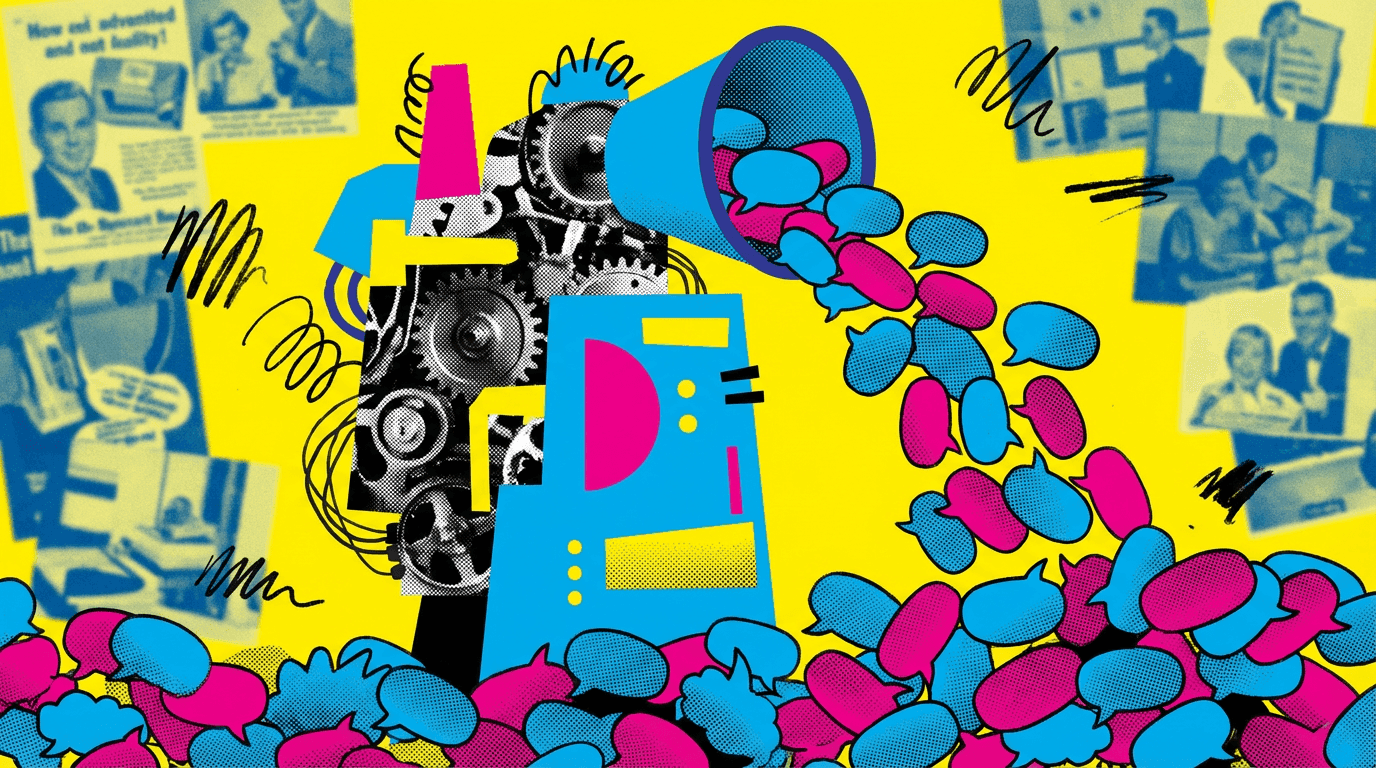
Microsoft is preparing another major Copilot overhaul for August. An internal memo obtained by The Information reveals the company will merge its consumer and enterprise Copilot apps into a single product, adding new AI agents called AutoPilot that run tasks in the background. The move puts Microsoft in direct competition with Anthropic and OpenAI, both building their own super apps.
What's changing in the new Copilot?
The merged app will bundle AI coding tools with AutoPilot agents designed for scheduling, email summaries, and similar routine work. Customers will pay extra for these features, though Microsoft hasn't disclosed pricing. Executive Vice President Jacob Andreou wrote in the memo that the team "stripped out what wasn't working," killing Copilot Podcasts and Copilot Labs in the process.
Andreou's language is blunt for an internal document. Copilot should focus on "real work" instead of chasing intelligence "for intelligence's sake," he wrote. The app needs to be "optimized for outcomes" and "earn the right to exist." That phrasing suggests Microsoft sees its current Copilot lineup as scattered, a collection of features without a clear value proposition.
The super app race heats up
Microsoft is not alone. Anthropic has been expanding Claude Code into a broader platform. OpenAI launched Codex with similar ambitions. All three companies are converging on the same idea: a single AI app that handles coding, scheduling, research, and communication. The bet is that users will pay for one powerful tool rather than juggling specialized assistants.
This creates an interesting dynamic for product teams. Building on top of these platforms means accepting that the ground shifts every few months. An integration you ship in Q3 might compete with a native feature the platform announces in Q4. Microsoft's willingness to kill Copilot Labs shows how quickly these companies will abandon experiments that don't deliver measurable results.
Microsoft admits chatbots alone aren't enough
The same day the memo leaked, Microsoft announced a new consulting arm focused on embedding AI inside businesses. Microsoft engineers will work directly inside departments to help build AI into workflows. It's a tacit admission that a chatbot interface, even a good one, delivers limited value on its own. Or at least value that's hard to measure.
This matters for AI builders. The enterprise AI market is shifting from "deploy a chatbot" to "integrate agents into existing processes." The AutoPilot agents handling scheduling and email are a step in that direction, but the real money is in custom workflows. Microsoft clearly sees hands-on consulting as the way to justify its AI spending and demonstrate ROI to skeptical executives.
What got cut and why it matters
Copilot Podcasts and Copilot Labs were experimental features. Podcasts let users generate audio content. Labs was a testing ground for new capabilities. Both are gone. The message is clear: features need to drive outcomes, not just demonstrate technical capability.
For teams building AI products, this is a useful signal. Microsoft, with essentially unlimited resources, couldn't make podcast generation or experimental features work commercially. That doesn't mean these use cases are dead. It means they need tighter integration with workflows that users already pay for.
Logicity's Take
Microsoft killing features to focus on 'real work' is the clearest sign yet that the AI hype cycle is maturing. The AutoPilot agents handling scheduling and email are table stakes now, not differentiators. The real question is whether Microsoft can execute on deeper workflow integration before OpenAI and Anthropic get there first. For product teams, this consolidation wave means fewer platforms to support but more direct competition with the platforms themselves. Build utilities, not features.
The pricing question
Microsoft says customers will pay extra for AutoPilot features. The company already charges $30 per user per month for Microsoft 365 Copilot. Adding another tier on top of that creates pricing complexity, but it also lets Microsoft test willingness to pay for agentic features separately from baseline AI assistance.
The merged consumer and enterprise app could simplify licensing. Currently, businesses navigate separate Copilot products for Windows, Microsoft 365, and various other services. A single app with tiered pricing would make the value proposition clearer, even if the total cost stays similar.
Frequently Asked Questions
When will the new Microsoft Copilot with AutoPilot agents release?
According to the internal memo, Microsoft plans to release the overhauled Copilot in August 2026.
What are AutoPilot agents in Microsoft Copilot?
AutoPilot agents are AI agents that handle background tasks like scheduling and email summaries without requiring constant user interaction.
Is Microsoft Copilot still free?
A free tier exists, but Microsoft says customers will pay extra for AutoPilot features and other advanced capabilities in the new version.
What happened to Copilot Podcasts and Copilot Labs?
Microsoft discontinued both features. The company is refocusing Copilot on 'real work' and measurable outcomes rather than experimental capabilities.
How does Microsoft Copilot compare to Claude and ChatGPT?
All three are building toward super apps that combine coding, scheduling, and communication tools. Microsoft's advantage is integration with the Microsoft 365 suite; Anthropic and OpenAI have stronger standalone products.
Anthropic's hardware strategy affects its super app ambitions and competitive position against Microsoft.
Need Help Implementing This?
If you're building on Microsoft Copilot APIs or evaluating enterprise AI assistants, Logicity can help you navigate the platform shifts. Contact us for technical strategy and implementation support.
Source: The Decoder / Matthias Bastian
Huma Shazia
Senior AI & Tech Writer
Produced with AI assistance and reviewed by the Logicity editorial team. Learn more in our Editorial Policy.