Key Takeaways
- Microsoft Scout is an always-on AI assistant that can make phone calls and complete workflows across Microsoft 365 apps
- The new MAI-Thinking-1 is Microsoft's first advanced reasoning model built without distillation from OpenAI
- RTX Spark brings 1 petaflop of AI compute to developer desktops, supporting 120 billion parameter models locally
Microsoft kicked off Build 2026 in San Francisco on June 2nd with a keynote that made one thing clear: the company is betting big on local AI processing. Cloud-dependent assistants are out. Always-on agents that live on your device are in.
The announcements spanned new hardware, a flagship AI model trained entirely in-house, and software platforms designed to let AI agents do more than just answer questions. They can now complete entire workflows, make phone calls, and run on dedicated operating systems.

“We are shifting from 'AI Assistants' that wait for your prompt, to 'Agentic AI' that proactively completes entire workflows while you focus on the creative outcome.”
— Satya Nadella, CEO of Microsoft
Microsoft Scout: Your AI Assistant That Makes Phone Calls
The biggest software announcement was Microsoft Scout, an always-on personal assistant built on OpenClaw. Unlike Copilot, which lives inside individual Microsoft 365 apps, Scout works across Outlook, OneDrive, Teams, and more. It handles calendar organization, expense reports, email drafts, and meeting scheduling.
The key difference? Scout can act, not just suggest. It makes phone calls, sends messages, and completes tasks without waiting for you to copy-paste its output.
"This is a personal assistant, it's the first real personal assistant we've offered customers," Omar Shahine, corporate vice president of Microsoft Scout, told The Verge. "You're going to get a phone call from this assistant. It's a very different type of AI than chat."
For businesses, Scout means assigning a virtual assistant to employees without hiring anyone. The agent handles the administrative work that eats into productive hours.
MAI-Thinking-1: Microsoft's First Advanced Reasoning Model
Microsoft also announced MAI-Thinking-1, its first "flagship" reasoning model. This is significant because Microsoft built it from scratch, without distillation from OpenAI's models. The two companies recently renegotiated their partnership to loosen ties, and this model shows Microsoft can now stand on its own.
According to Microsoft, MAI-Thinking-1 is a "medium-sized model" that matches leading models on key software engineering benchmarks. The company trained it "from the ground up on clean data."
This matters for developers who want Microsoft's AI tools but have concerns about data flowing through OpenAI's infrastructure. An in-house model gives Microsoft more control over the pipeline.
RTX Spark: Data Center Performance on Your Desk
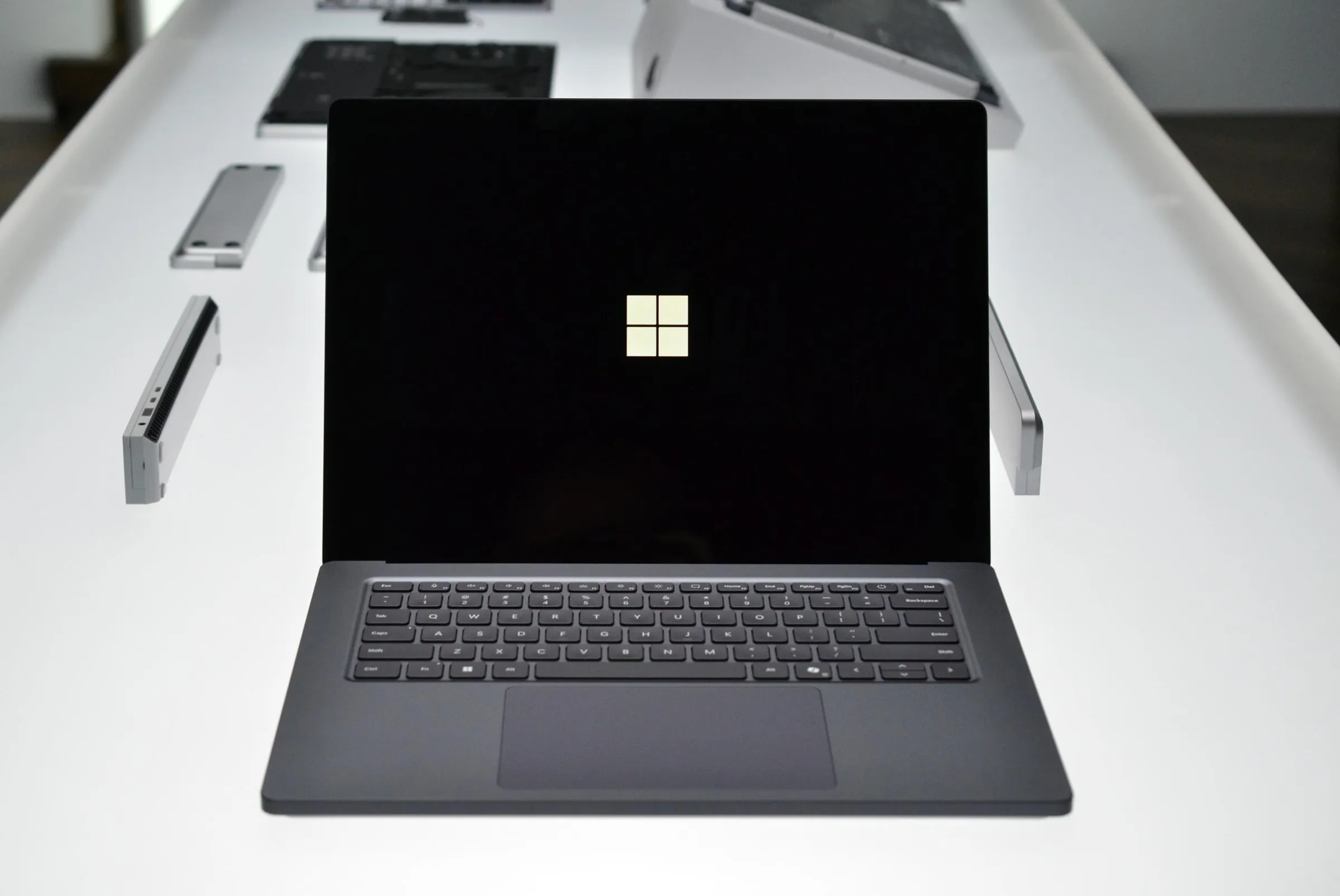
The hardware story at Build 2026 centered on Nvidia's RTX Spark platform. Microsoft unveiled the Surface RTX Spark Dev Box, a mini development machine that brings serious AI compute to developer desks.
The RTX Spark SoC packs 6,144 Blackwell GPU cores and supports models up to 120 billion parameters running locally. That's the kind of capacity that previously required cloud infrastructure.

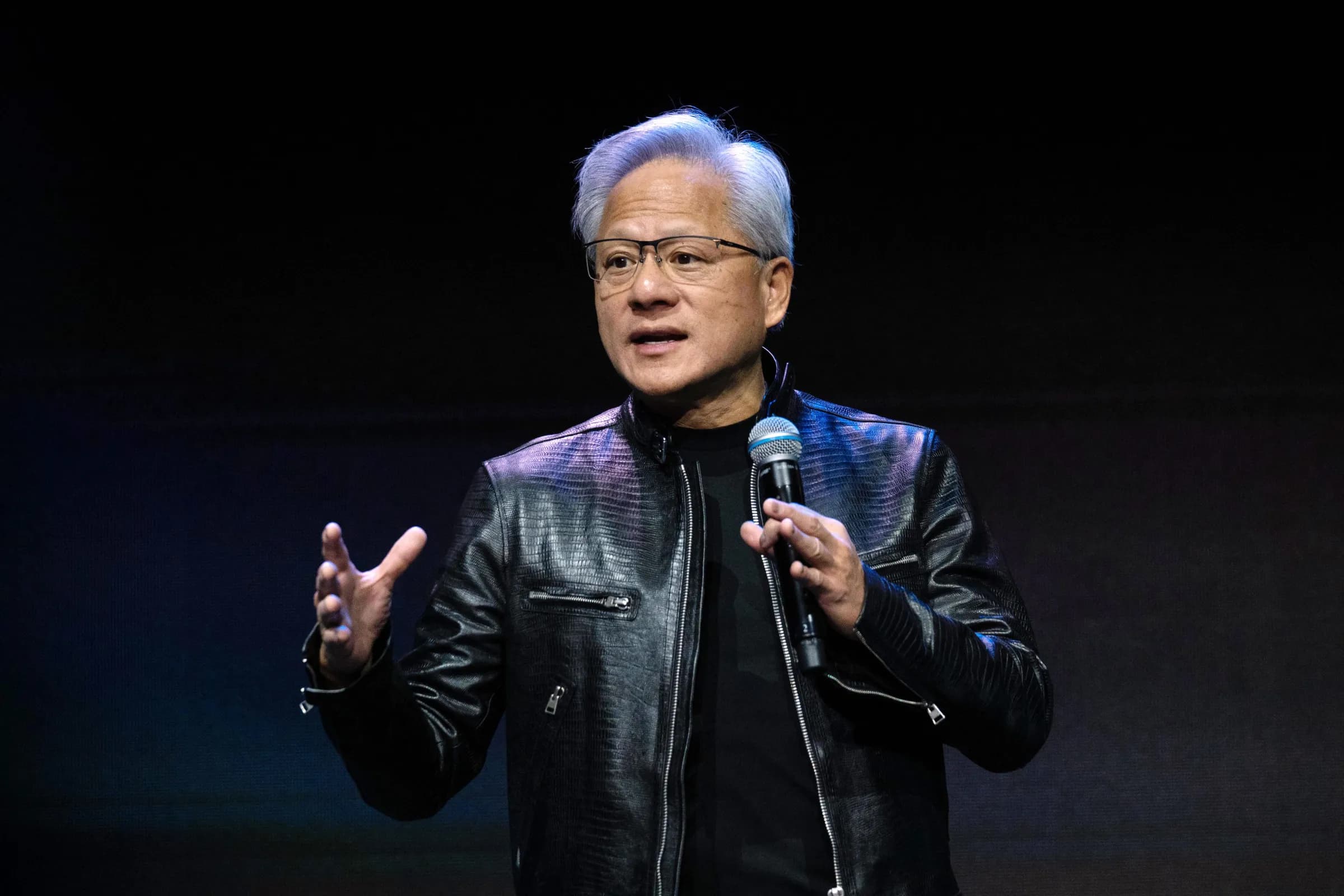
“RTX Spark isn't just a chip; it is the infrastructure for the next decade of local, high-fidelity AI development, bringing data-center performance directly to the developer's desk.”
— Jensen Huang, CEO of Nvidia
The push for local AI addresses two developer pain points: latency and cost. Running inference in the cloud adds round-trip delay and per-token fees. Local processing eliminates both.
More RTX Spark hardware announcements from Build 2026
Project Solara: An OS for AI Agent Gadgets
Microsoft also revealed Project Solara, an operating system designed specifically for AI agent gadgets. Details were sparse, but the concept targets a new category of devices: hardware built from the ground up to run AI agents rather than traditional apps.
This positions Microsoft to compete in a market that doesn't quite exist yet. If AI agents become the primary way people interact with computing, the company wants the operating system those agents run on.
Windows Gets More Linux-Friendly
For developers, Microsoft announced deeper Linux integration in Windows. The company's developer-optimized Windows build now embraces Linux even more tightly, though specific details are still rolling out through the new Command Line blog that Microsoft launched during Build.

This continues a years-long trend. Windows Subsystem for Linux turned Windows into a viable development machine for Linux-centric workflows. Each Build brings that integration closer.
Related developer tooling announcements
Community Reaction: Excitement and Security Concerns
On Reddit and Hacker News, developers are focused on the implications of kernel-level execution for agentic apps. Many are excited about running large models locally. But others are raising concerns about security risks if malicious agents gain kernel access.
There's also speculation about Surface Laptop Ultra pricing. Some users think it may be the most expensive consumer laptop in Microsoft's history, given the RTX Spark hardware inside.
What This Means
Build 2026 shows Microsoft's strategic direction: move AI processing to the edge, give agents the ability to act rather than just advise, and build the hardware and software stack to make that possible.
The renegotiated OpenAI partnership and the MAI-Thinking-1 model suggest Microsoft wants more independence. The RTX Spark hardware suggests they see local compute as essential. And Scout suggests the next phase of AI assistants looks less like chatbots and more like employees.
Logicity's Take
Microsoft is betting that AI assistants who can actually do things, not just suggest things, are the next productivity leap. If Scout delivers on its promise to make phone calls and complete workflows autonomously, the line between software tool and virtual employee gets very blurry. The security implications of kernel-level agent access deserve serious attention.
Frequently Asked Questions
What is Microsoft Scout?
Microsoft Scout is an always-on AI personal assistant built on OpenClaw that integrates across Microsoft 365 apps. Unlike Copilot, Scout can take actions like making phone calls, organizing calendars, and completing expense reports without manual intervention.
What is RTX Spark?
RTX Spark is Nvidia's new AI compute platform featuring 6,144 Blackwell GPU cores and 1 petaflop of AI processing power. It enables developers to run models with up to 120 billion parameters locally on consumer hardware.
Did Microsoft build MAI-Thinking-1 without OpenAI?
Yes. Microsoft says MAI-Thinking-1 was trained from the ground up on clean data without distillation from third-party models, including OpenAI's. This follows the two companies' recent deal renegotiation to loosen ties.
What is Project Solara?
Project Solara is Microsoft's new operating system designed specifically for AI agent gadgets. It targets a new category of hardware built to run AI agents rather than traditional applications.
When was Microsoft Build 2026?
Microsoft Build 2026 began on June 2nd, 2026 in San Francisco, with the keynote streaming at 12:30 PM ET / 9:30 AM PT.
Need Help Implementing This?
If your team is evaluating Microsoft's new AI tools, RTX Spark hardware, or agentic workflows for your organization, Logicity can help you cut through the hype and find what actually fits your stack. Reach out to our team for implementation guidance.
Manaal Khan
Tech & Innovation Writer
Produced with AI assistance and reviewed by the Logicity editorial team. Learn more in our Editorial Policy.