Meta's Shocking Decision: How a Social Media Giant's Power Hungry Data Centers Are Undermining Its Climate Goals

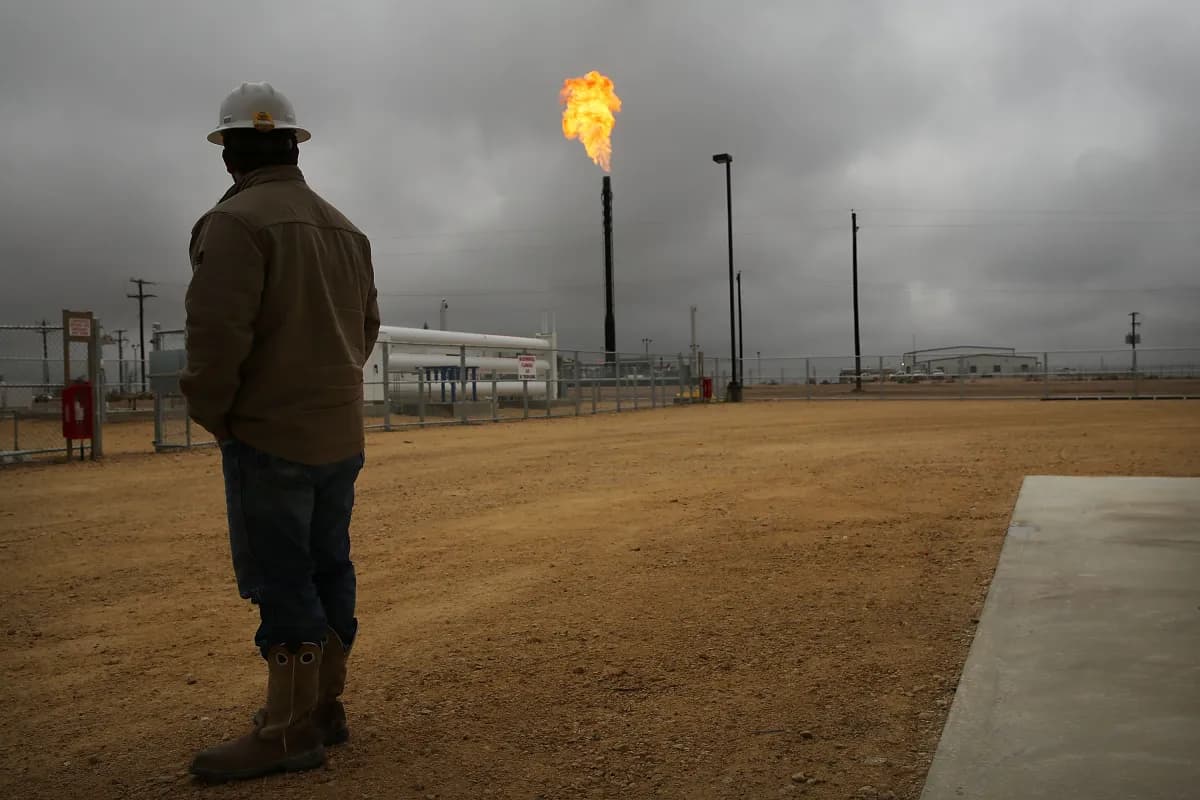
Meta's new data center in Louisiana will consume as much electricity as the entire state of South Dakota, and to power it, the company is investing in natural gas power plants. This move has raised eyebrows, given Meta's previous commitments to renewable energy and reducing its carbon footprint. As the world shifts towards more sustainable practices, Meta's decision to rely on natural gas has sparked a heated debate about the role of fossil fuels in the tech industry.
Key Takeaways
- Meta's data center in Louisiana will require as much electricity as the state of South Dakota
- The company is investing in natural gas power plants to meet this demand
- This decision has raised concerns about Meta's commitment to reducing its carbon footprint
In This Article
- The Power Hunger of Data Centers
- Meta's Climate Commitments
- Why Natural Gas?
- The Environmental Cost
- A Call to Action
- Conclusion
The Power Hunger of Data Centers
Data centers have become a crucial part of our digital lives, but they come with a significant environmental cost. These massive facilities require enormous amounts of electricity to operate, which can have a substantial impact on the environment.
- Data centers are among the largest consumers of electricity in the world
- The demand for data center power is expected to continue growing as more people move online
Meta's Climate Commitments
Meta has been a vocal advocate for reducing carbon emissions and promoting renewable energy. The company has made significant investments in solar, wind, and other sustainable energy sources to power its operations.
- Meta has set ambitious targets to reduce its greenhouse gas emissions
- The company has invested heavily in renewable energy projects around the world
Why Natural Gas?
So, why has Meta decided to invest in natural gas power plants, despite its commitments to renewable energy? The answer lies in the company's need for reliable and efficient power to meet the demands of its data centers.
- Natural gas is seen as a 'bridge fuel' to help transition to renewable energy sources
- However, the production and use of natural gas can have significant environmental impacts
The Environmental Cost
The production and use of natural gas can have significant environmental impacts, including the release of methane, a potent greenhouse gas. This raises concerns about the overall sustainability of Meta's decision.
- Methane is a potent greenhouse gas, with a global warming potential 84 times higher than carbon dioxide
- The extraction, transportation, and use of natural gas can result in significant methane leaks
A Call to Action
As the tech industry continues to grow and evolve, it's essential that companies like Meta prioritize sustainability and reduce their environmental footprint. This requires a commitment to renewable energy, energy efficiency, and reducing waste.
- Companies must prioritize sustainability and reduce their environmental footprint
- Investing in renewable energy and energy efficiency can help reduce greenhouse gas emissions
Conclusion
Meta's decision to invest in natural gas power plants has sparked a heated debate about the role of fossil fuels in the tech industry. As the world shifts towards more sustainable practices, it's essential that companies prioritize climate action and reduce their environmental footprint.
- Meta's decision has raised concerns about the company's commitment to climate action
- The tech industry must prioritize sustainability and reduce its environmental footprint
“Methane, the main component of natural gas, warms the planet 84 times more than carbon dioxide”
— Tim De Chant, Senior Reporter, Climate
Final Thoughts
As the tech industry continues to grow and evolve, it's essential that companies prioritize sustainability and reduce their environmental footprint. Meta's decision to invest in natural gas power plants has sparked a heated debate about the role of fossil fuels in the tech industry. The company must now find a way to balance its energy needs with its climate commitments, and the world will be watching.
Sources & Credits
Originally reported by AI News & Artificial Intelligence | TechCrunch — Tim De Chant
Manaal Khan
Tech & Innovation Writer
Produced with AI assistance and reviewed by the Logicity editorial team. Learn more in our Editorial Policy.




