Key Takeaways

- Meta replaced roughly 50% of human moderation requests with LLMs in 2025, targeting 90%+ for some content types by year-end
- Meta claims its models make 13% fewer errors than humans and catch 10% more violations, but employees report false removals and shadow-bans
- The company is switching from Google's Gemini to its own foundation model called Muse Spark for moderation tasks
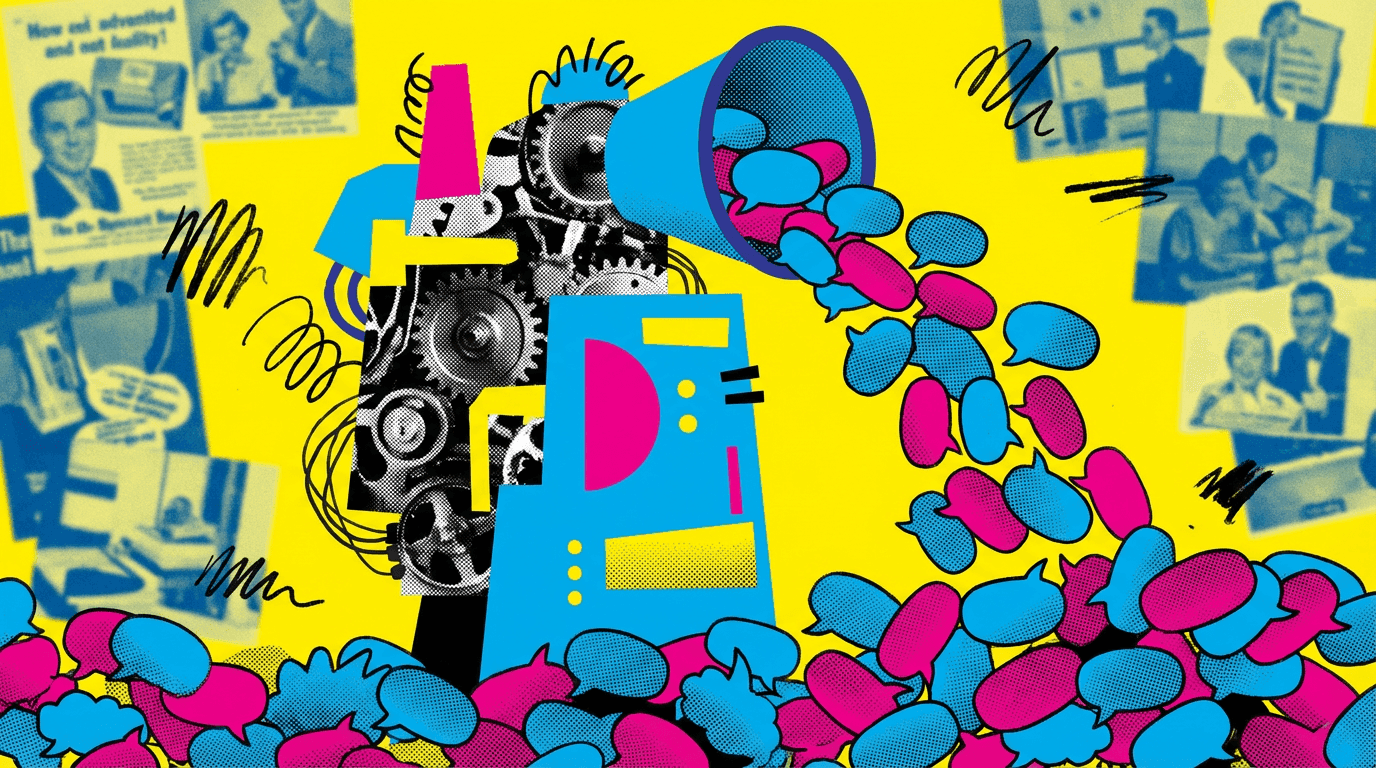
Meta has replaced roughly half of all human content moderation requests with large language models in 2025. The company plans to push that figure above 90 percent for some content types by year-end, according to the Financial Times. Employees say the transition is happening too fast, with insufficient oversight and growing layoffs among external contractors.
What numbers is Meta claiming?
Meta disputes the narrative that this is purely a cost-cutting move. Since March, the company says internal tests show its language models make 13 percent fewer errors than human reviewers when enforcing content policies. The models also catch 10 percent more actual violations.
The shift is still expected to save billions annually. Meta employed approximately 15,000 content moderators globally before the AI transition, with industry estimates pegging the annual cost of human moderation operations between $3 billion and $5 billion. With over 500 million pieces of content reviewed daily across Meta's platforms, even small efficiency gains compound quickly.
Traditional machine learning classifiers have long struggled with satire, sarcasm, and evolving slang. Meta's argument is that LLMs grasp nuance better and can handle more languages without requiring separate models for each.
Why are employees pushing back?
One insider told the Financial Times that the models still remove or shadow-ban harmless content. The complaint isn't that AI moderation can't work. It's that there isn't enough human review to catch mistakes at the current rollout speed.
The transition is already causing layoffs, particularly among the external contractors who handled the bulk of moderation work. These workers often reviewed the most disturbing content on the platform, from violence to exploitation, for relatively low wages. Their displacement raises questions about who, if anyone, will review the edge cases that AI gets wrong.
Meta is building its own moderation model
Behind the scenes, Meta is swapping out the AI systems doing the work. The company had been using Google's Gemini for moderation and customer support tasks. Staff have now been told to switch to Meta's own foundation model, called Muse Spark.
The models are trained on past decisions made by human reviewers. That's a double-edged sword. If the training data reflects consistent, well-reasoned decisions, the model inherits that quality. If it reflects the inconsistencies and biases that plagued human moderation, those get baked in too.
Moving from Gemini to an in-house model also gives Meta more control over customization and data handling. It reduces dependency on Google and likely cuts inference costs at Meta's scale.
The broader tension in AI moderation
Content moderation at this scale has never been solved cleanly. Human moderators made plenty of errors, often suffered psychological harm from the work, and couldn't keep pace with the volume. AI introduces different failure modes: hallucinations, context blindness in edge cases, and a lack of common sense that humans take for granted.
The real question is whether AI errors are more predictable, more correctable, or less damaging than human ones. Meta's 13-percent error reduction claim suggests the former, but employees on the ground are skeptical the testing reflects real-world conditions.
Other platforms face the same pressure. YouTube, TikTok, and X all use some form of automated moderation. What sets Meta apart is the speed and scale of this particular transition. Going from 50 percent to 90-plus percent AI moderation in under a year is aggressive by any standard.
Logicity's Take
For AI product teams, Meta's rollout is a case study in what happens when cost savings and capability improvements align. The 13% error reduction claim is significant if it holds, but the internal dissent matters too. If you're building AI systems that replace human decision-making, the lesson here is that accuracy metrics alone don't buy you organizational buy-in. Employees need to trust the oversight mechanisms, not just the benchmarks. Meta's switch from Gemini to Muse Spark also signals that large platforms will eventually bring moderation models in-house for cost and control reasons, which limits the addressable market for third-party moderation APIs.
Frequently Asked Questions
How much of Meta's content moderation is done by AI now?
As of 2025, Meta has replaced roughly 50 percent of human moderation requests with large language models. The company plans to exceed 90 percent for some content types by the end of the year.
What is Meta Muse Spark?
Muse Spark is Meta's new in-house foundation model for content moderation. The company is transitioning away from Google's Gemini to this proprietary system, which is trained on decisions made by human reviewers.
Does AI moderation work better than human moderation?
Meta claims its language models make 13 percent fewer errors than humans and catch 10 percent more policy violations. However, employees report that the models still incorrectly remove or shadow-ban harmless content.
Are content moderators losing their jobs because of AI?
Yes. The transition is already causing layoffs, particularly among external contractors who handled most of Meta's moderation work.
Need Help Implementing This?
If you're building content moderation or trust-and-safety systems and want to understand how LLMs fit into your stack, reach out to Logicity's research team for a technical consultation.
Source: The Decoder / Maximilian Schreiner
Huma Shazia
Senior AI & Tech Writer
Produced with AI assistance and reviewed by the Logicity editorial team. Learn more in our Editorial Policy.