Key Takeaways
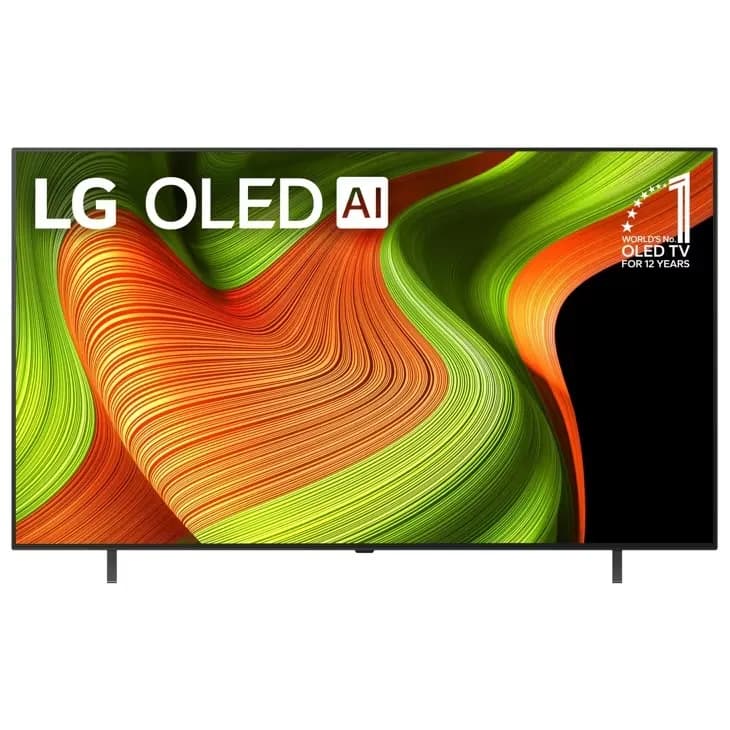
- 48-inch LG B5 OLED is $599.99 at Best Buy, saving you $700 off retail
- 55-inch model available for $799.99 at Amazon, Best Buy, and LG direct
- 120Hz panel with four HDMI 2.1 ports makes it solid for PS5 and Xbox gaming
- Supports Dolby Vision, Dolby Atmos, AirPlay 2, and Google Cast out of the box
- Not as bright as premium OLEDs but delivers excellent color accuracy and contrast
Read in Short
LG's B5 OLED is down to $600 for the 48-inch and $800 for the 55-inch, matching all-time low prices. You're getting true OLED blacks, 120Hz for gaming, and four HDMI 2.1 ports. If you've been waiting for OLED to become affordable, this is basically your moment.
Look, I've been tracking TV deals for years now, and there's something almost surreal about seeing a legit OLED panel drop below $600. That used to be what you'd pay for a mediocre LED set. Times have changed.
LG's B5 OLED is currently sitting at $599.99 for the 48-inch model at Best Buy. That's $700 off the original $1,300 price tag. The 55-inch version? You can snag that for $799.99 at Amazon, Best Buy, or directly from LG. Both prices match the lowest we've ever seen these TVs go for.
What Makes the B5 Worth Your Attention
So here's the thing about budget OLEDs. They always come with trade-offs. The B5 isn't going to blow you away with peak brightness like LG's C4 or G4 models. If you're watching in a super bright room with tons of sunlight, you might notice the difference.
But for most people? In most rooms? The B5 looks fantastic. The Verge's AV reviewer John Higgins tested this thing extensively and came away impressed with the color accuracy and realistic image quality. You're still getting what makes OLED special: those perfect blacks, incredible contrast ratios, and viewing angles that don't turn to garbage when you're sitting off to the side.

The 120Hz refresh rate is another win here. Sure, LG's pricier models go higher, but 120Hz keeps everything smooth. Sports look crisp. Fast action scenes don't blur into mush. And for gamers, this is where things get really interesting.
Gaming Setup That Actually Makes Sense
Four HDMI 2.1 ports. Let that sink in for a second. Most budget TVs give you maybe one or two ports that support the latest standards, then fill out the rest with older connections. LG didn't cheap out here.
- All four HDMI ports support 4K at 120Hz for next-gen consoles
- Variable Refresh Rate keeps games tear-free
- Auto Low Latency Mode kicks in when you fire up your PS5 or Xbox
- ALLM support means no manual switching between game and movie modes
If you've got a PS5 and an Xbox Series X, plus maybe a soundbar and a streaming stick, you can actually hook everything up without buying a separate HDMI switcher. That's honestly huge at this price point.
Smart TV Features That Don't Suck
LG's webOS has come a long way. It's not perfect, and yeah, you'll see some ads on the home screen because that's apparently just how TV companies make money now. But the app selection is solid. Netflix, Disney Plus, Hulu, Max, Peacock, Apple TV Plus, all the usual suspects are present and actually work well.
Voice control through Amazon Alexa is baked in. AirPlay 2 lets you cast from your iPhone or Mac without any fuss. Google Cast support means Android users aren't left out either. I've tested cheaper TVs where these features felt like afterthoughts. On the B5, they're properly implemented.
If you're upgrading your entertainment setup, you might also be interested in capturing content. DJI's upcoming pocket camera could be a perfect companion for content creators.
The Honest Trade-Offs
I'd be doing you a disservice if I pretended this TV was perfect. It's not. The brightness limitations are real. In a dark room, the B5 looks absolutely gorgeous. Throw open the curtains on a sunny afternoon and you'll notice the picture doesn't pop quite as much as pricier panels.
✅ Pros
- • True OLED picture quality with perfect blacks
- • $600 price point is genuinely affordable for OLED tech
- • Four HDMI 2.1 ports for full gaming setup
- • Dolby Vision and Dolby Atmos support
- • Excellent viewing angles typical of OLED
❌ Cons
- • Lower peak brightness than C4 or G4 models
- • No 144Hz option like some gaming-focused TVs
- • WebOS home screen has ads built in
- • 48-inch might feel small depending on room size
The other thing worth mentioning: 48 inches doesn't fill a large living room the way a 65-inch or 77-inch panel would. If you're sitting 10 feet from the screen, you might want to consider the 55-inch model or think about whether this TV is better suited for a bedroom or home office setup.
How This Stacks Up Against Other Deals
Let me put this in perspective. The LG C4 OLED, which is the step-up model with better brightness, starts around $1,300 for the 48-inch version when it's on sale. You're paying more than double for what amounts to improved HDR performance and a slightly newer processor.
| Feature | LG B5 OLED | LG C4 OLED |
|---|---|---|
| 48-inch Sale Price | $600 | ~$1,300 |
| Peak Brightness | Lower | Higher |
| Refresh Rate | 120Hz | 144Hz |
| HDMI 2.1 Ports | 4 | 4 |
| Processor | α8 AI | α9 AI Gen7 |
For most viewers, that extra money doesn't translate to a dramatically better experience. The B5 is the smart value play unless you're watching tons of HDR content in a bright room or you absolutely need the extra 24Hz for PC gaming.
Should You Actually Buy This?
Here's my honest take. If you've been eyeing OLED technology but couldn't justify spending $1,500 or more, this deal removes that barrier. You're getting a genuinely good TV at a price that would've seemed impossible just a few years ago.
The 48-inch at $600 is the standout value. It's perfect for bedrooms, offices, or smaller living spaces. The 55-inch at $800 makes sense if you need more screen real estate but still want to keep the budget reasonable.
Where to Buy
48-inch LG B5 OLED: $599.99 at Best Buy. 55-inch LG B5 OLED: $799.99 at Amazon, Best Buy, or LG.com. These prices match all-time lows, so don't expect them to drop further anytime soon.
I wouldn't wait on this one. TV deals at this level tend to sell through inventory pretty quickly, and there's no guarantee the price will come back once current stock runs out. If your old TV has been giving you grief or you've just been curious about what OLED looks like in person, this is a low-risk way to find out.
And honestly? Once you see those perfect blacks on an OLED panel, it's really hard to go back to regular LED. Consider yourself warned.
Manaal Khan
Tech & Innovation Writer
Produced with AI assistance and reviewed by the Logicity editorial team. Learn more in our Editorial Policy.




