Key Takeaways
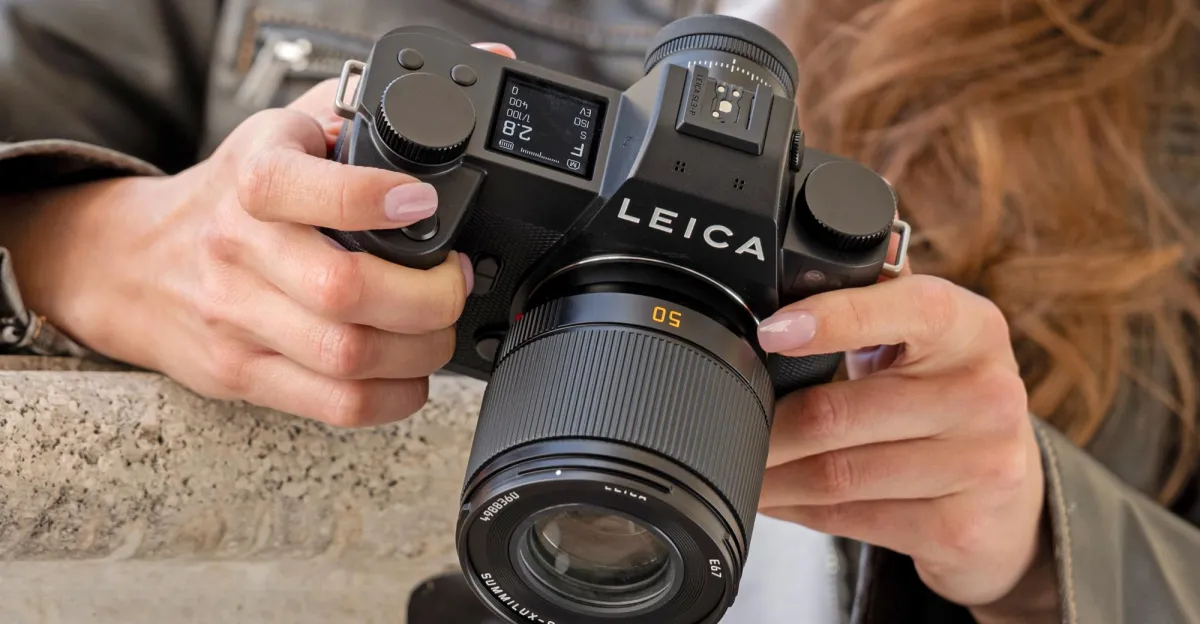
- The SL3-P offers 44-megapixel stills and 8K video at $6,690, undercutting the $7,485 SL3 by nearly $800
- A new hybrid autofocus system with 819 phase-detection points outpaces both the SL3 and SL3-S
- The camera drops Leica's iconic red dot badge but adds Content Credentials for image authentication
Leica has launched the SL3-P, a $6,690 full-frame mirrorless camera that splits the difference between its flagship SL3 and the speed-oriented SL3-S. The new model packs a 44-megapixel sensor and 8K video recording, matching the SL3's imaging specs while introducing a faster hybrid autofocus system. It's available today through Leica stores and authorized dealers.
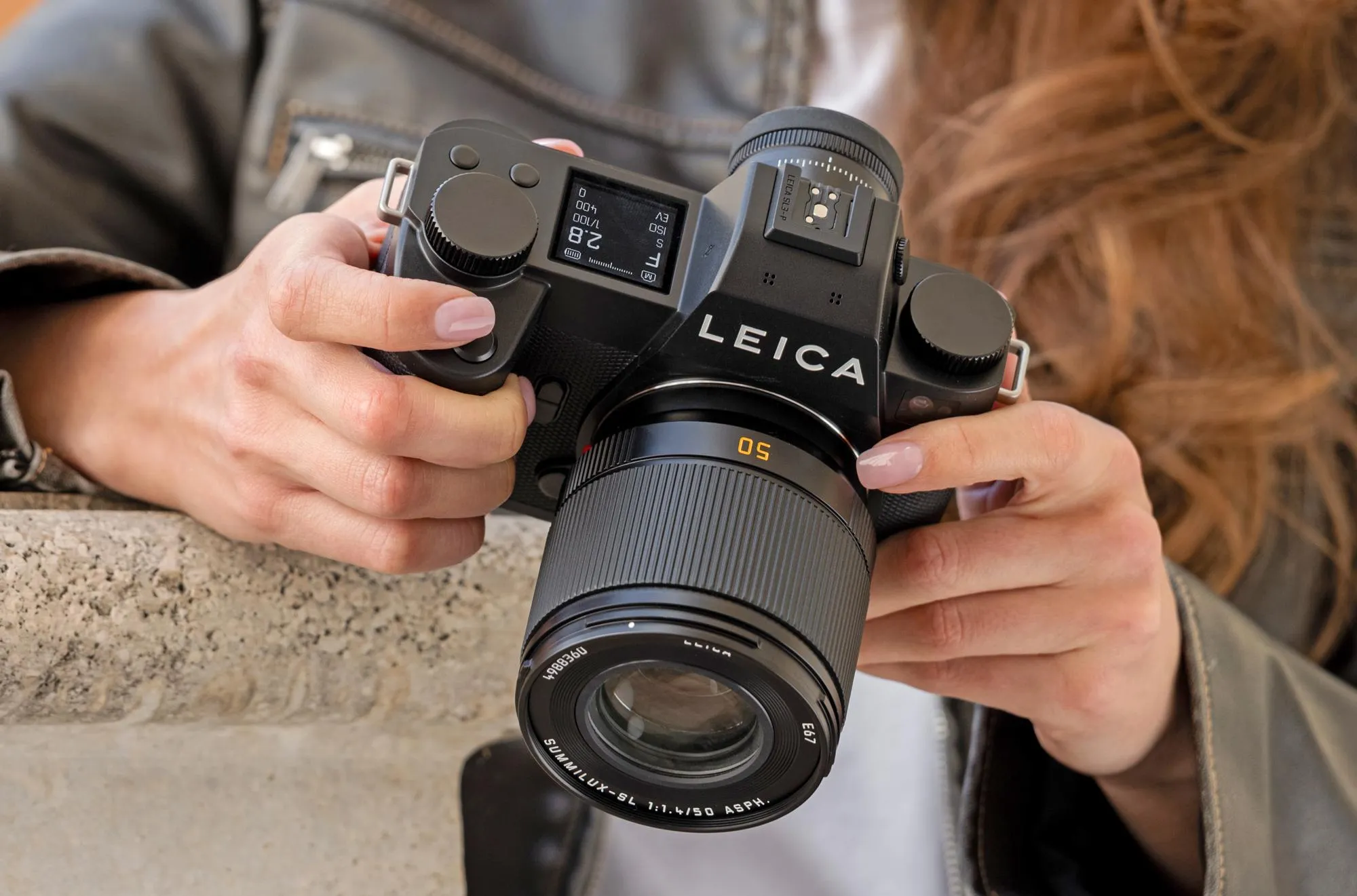
The SL3-P follows Leica's tradition of "P" variants, which strip the brand's recognizable red dot logo from the camera body. Photographers who want discretion, or simply prefer a cleaner aesthetic, get that option here without sacrificing core specs.
Where does the Leica SL3-P fit in the lineup?
The pricing tells the story. Leica's SL3 launched in 2024 at $6,995 but now costs $7,485 after US tariff adjustments. The SL3-S, optimized for burst shooting and fast subjects, debuted early last year at $5,300 and currently sits at $5,665. The SL3-P slots in at $6,690, giving buyers most of the flagship's imaging power with a smaller hit to the wallet.
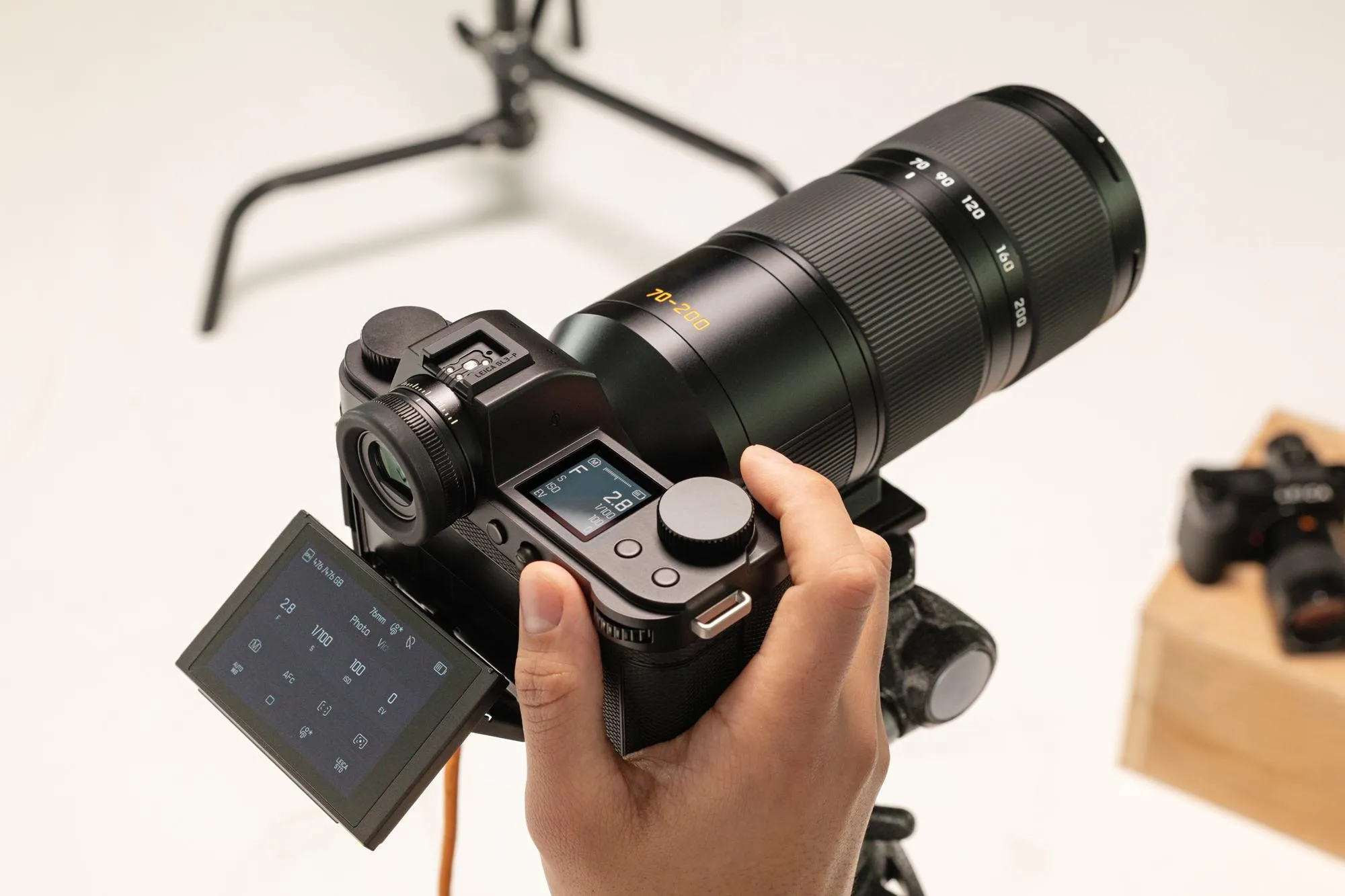
Spec-wise, the SL3-P sits closer to the SL3 than the SL3-S. Its 44-megapixel full-frame BSI sensor nearly doubles the SL3-S's 24 megapixels, though it falls short of the SL3's 60-megapixel resolution. For most professional work, 44 megapixels provides ample detail for large prints and significant cropping latitude.
What's new in the autofocus system?
The SL3-P introduces a hybrid autofocus system combining contrast detection, depth mapping, and 819 phase-detection points. That's a meaningful jump from the SL3-S's 779 points and more than double the SL3's 315 points. Leica claims the system will outperform both predecessors in subject tracking, though real-world testing will prove that out.
The camera can capture stills at up to 40 frames per second with continuous autofocus and subject tracking. That's burst speed territory previously owned by the SL3-S, suggesting Leica designed the SL3-P as a genuine hybrid rather than a stripped-down flagship.
8K video and resolution options
Video shooters get open-gate 8.1K recording at 8064 x 5376 pixels, using the sensor's full 3:2 area at up to 24fps. Standard 8K tops out at 30fps. Drop to 5.9K and frame rates climb to 60fps. Slow-motion capture runs at 120fps in 4K or 1080P. The SL3-S was limited to 6K, making the SL3-P a better fit for productions requiring the highest-resolution deliverables.
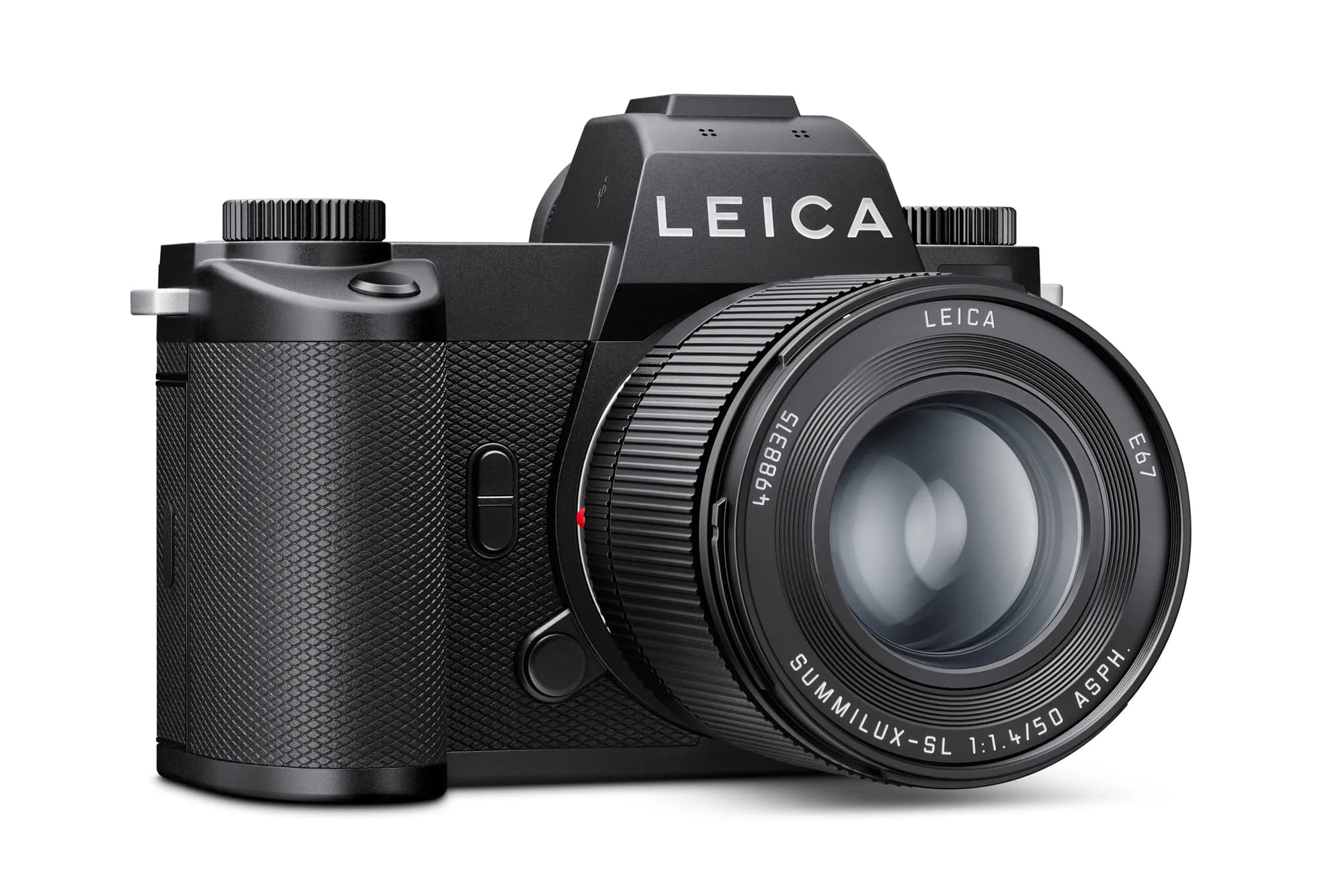
For photographers who need extreme resolution, a Multishot mode composites multiple exposures into 176-megapixel images. This requires a tripod and static subjects, but it's useful for product photography or archival work.
Build quality and display
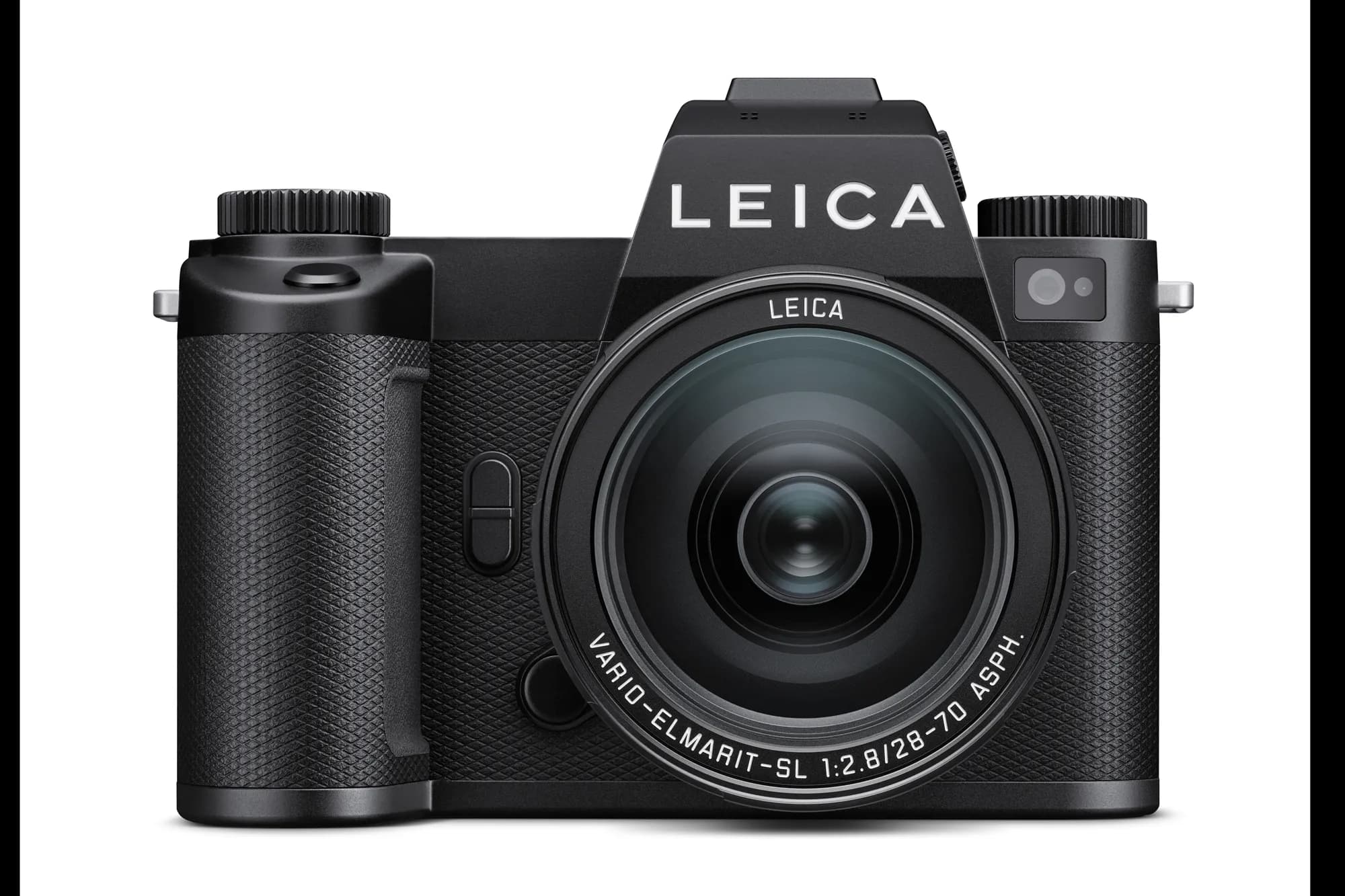
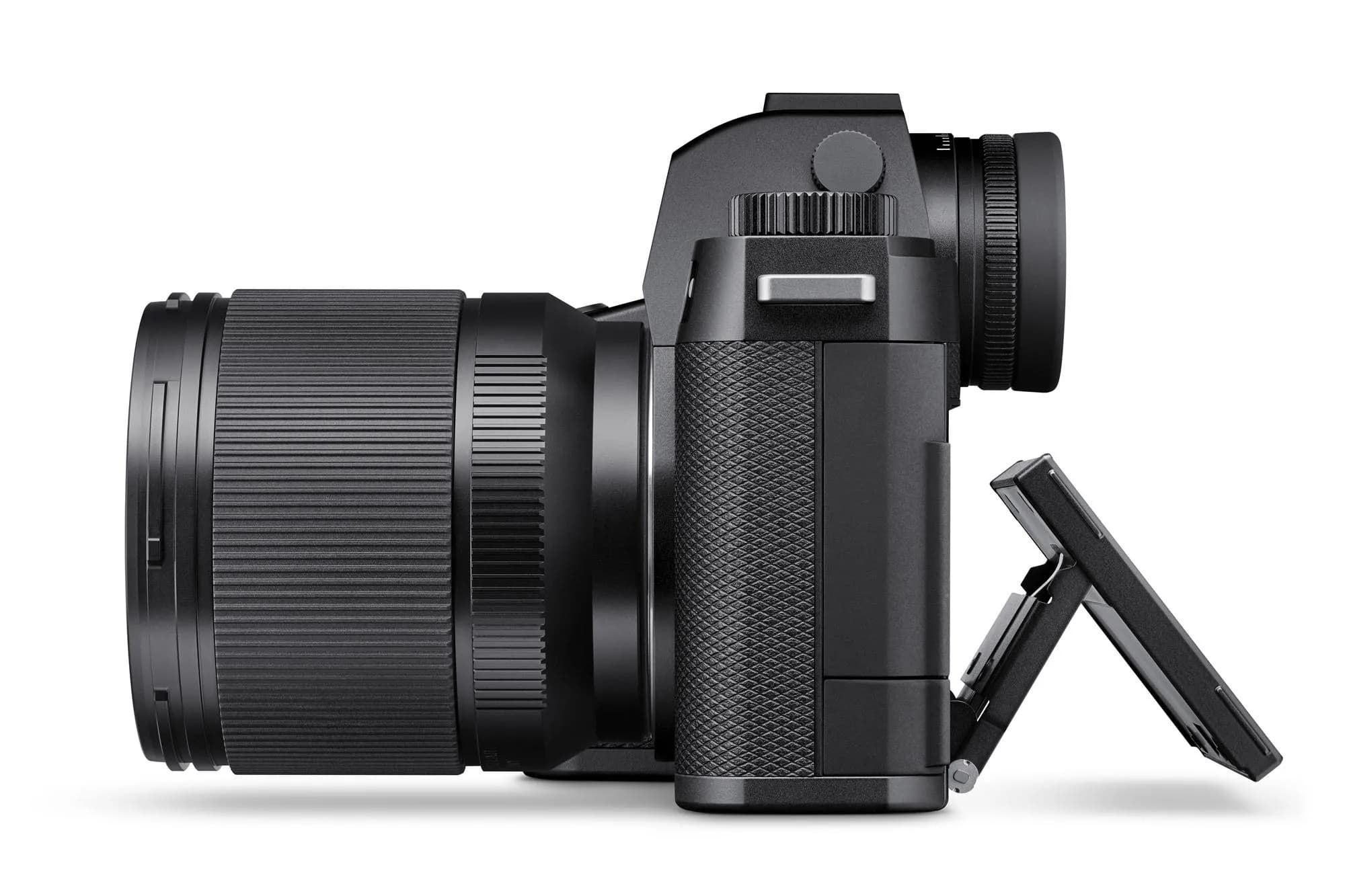
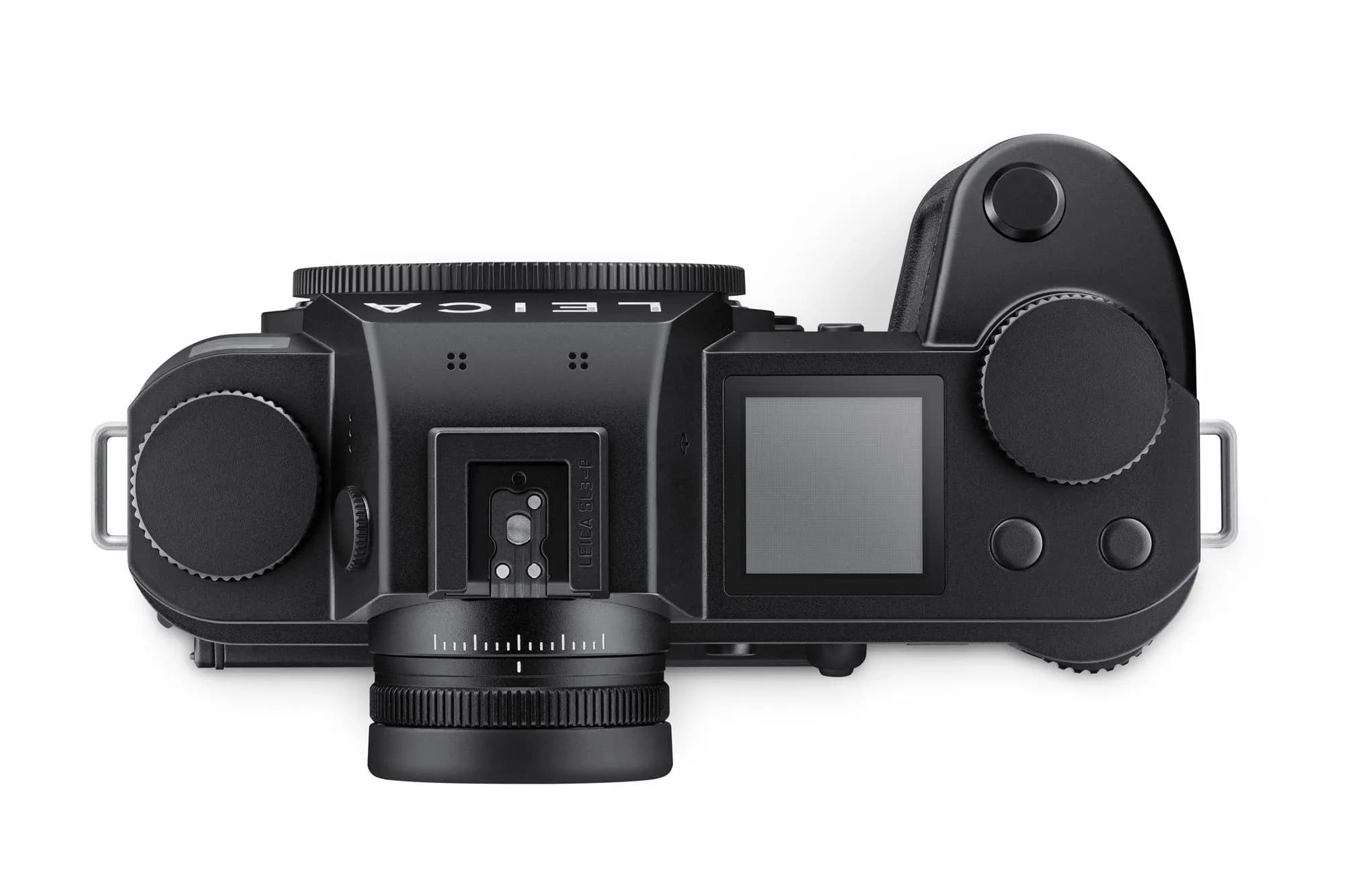
The SL3-P's housing mixes magnesium and aluminum with a textured leatherette grip. IP54 weather sealing handles dust and splashes, though Leica cautions against shooting in rain. The 3.2-inch rear LCD tilts up and down but doesn't flip forward for selfie framing. A 5.7 million dot EVF handles viewfinder duties, while a 1.28-inch monochrome screen on top displays shooting parameters.
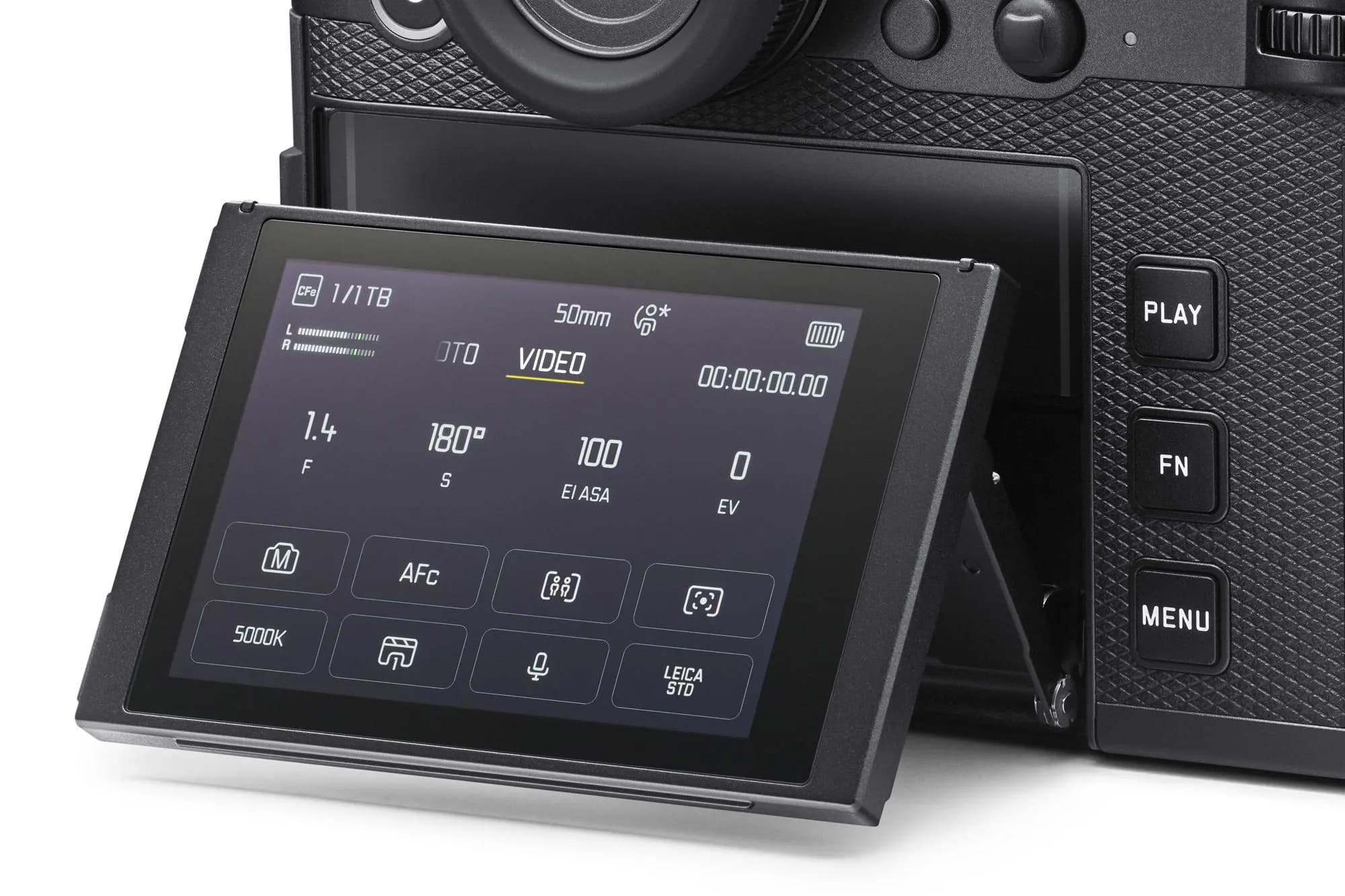
Leica carries over the color-coded menu system from previous SL3 cameras: red for stills, yellow for video. The interface aims to reduce mode confusion during fast switching between disciplines.
Content Credentials for image authentication
Like the SL3-S, the new camera supports the Content Authenticity Initiative's Content Credentials. This embeds tamper-proof metadata identifying the image creator. As AI-generated imagery proliferates, authenticated photos may carry more weight in journalism, legal evidence, and commercial licensing.
The SL3-P uses Leica's L-mount system, shared with Panasonic and Sigma through the L-Mount Alliance. Buyers without existing lenses should budget accordingly. Leica's own glass commands premium prices, but the alliance provides more affordable alternatives.
| Spec | SL3-P | SL3 | SL3-S |
|---|---|---|---|
| Price | $6,690 | $7,485 | $5,665 |
| Resolution | 44 MP | 60 MP | 24 MP |
| Max video | 8K 30fps | 8K 30fps | 6K |
| AF points | 819 | 315 | 779 |
| Burst rate | 40 fps | 15 fps | 30 fps |
Logicity's Take
The SL3-P positions itself against Sony's A7R V ($3,900) and Canon's R5 Mark II ($4,300), which offer similar resolution and video specs at lower price points. The Leica premium buys you German engineering, the L-mount ecosystem, and a certain cachet that matters in commercial photography circles. For production teams already invested in L-mount glass, this is the most sensible hybrid stills/video body in Leica's lineup. For those starting fresh, the math favors Sony or Canon unless brand identity drives the purchasing decision.
Frequently Asked Questions
How much does the Leica SL3-P cost?
The Leica SL3-P costs $6,690 for the body only. Lenses are sold separately.
What's the difference between the SL3-P and SL3?
The SL3-P has a 44MP sensor versus 60MP, costs $795 less, and offers a significantly improved autofocus system with 819 phase-detection points compared to 315.
Can the Leica SL3-P shoot 8K video?
Yes. It records open-gate 8.1K at 24fps and standard 8K at 30fps.
Is the Leica SL3-P weather sealed?
It carries an IP54 rating for dust and splash resistance, but Leica advises against shooting in rain.
What lenses work with the Leica SL3-P?
Any L-mount lens, including glass from Leica, Panasonic, and Sigma through the L-Mount Alliance.
Another premium tech brand adjusting prices amid tariff pressures
Need Help Implementing This?
If your production team is evaluating camera systems for professional video or photography, Logicity can connect you with equipment consultants who specialize in enterprise media workflows. Contact us for vendor-neutral recommendations.
Huma Shazia
Senior AI & Tech Writer
Produced with AI assistance and reviewed by the Logicity editorial team. Learn more in our Editorial Policy.




