Key Takeaways
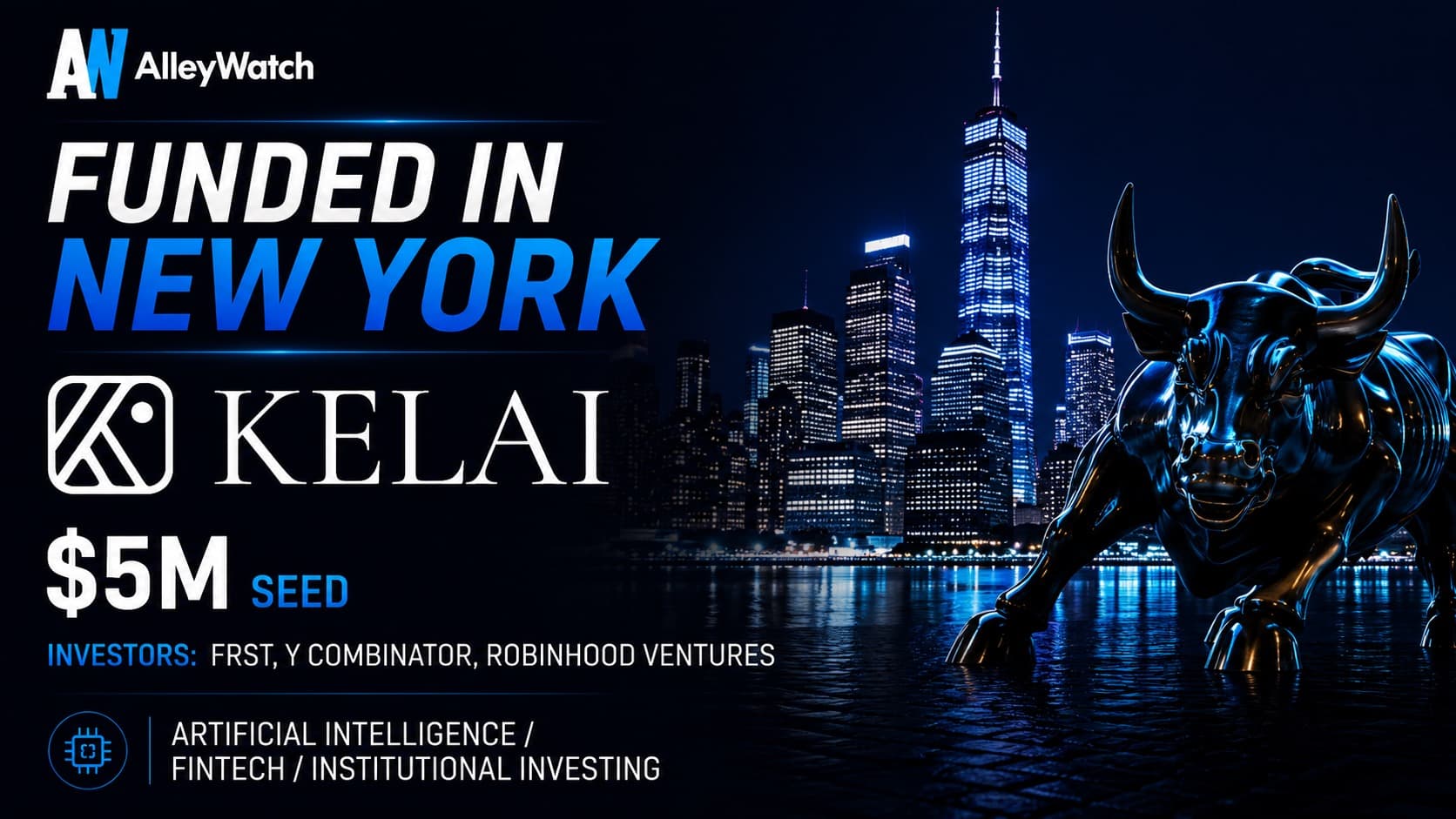
- KelAI raised $5M seed from Y Combinator, Frst, Robinhood Ventures, and angel investors
- The platform automates idea generation, backtesting, signal validation, and live monitoring for hedge funds
- KelAI signals have been running in production with an institutional investor since October 2025
KelAI, a New York startup building autonomous AI research tools for hedge funds, has raised $5M in seed funding led by Frst. Y Combinator, Robinhood Ventures, and angel investors from AI and finance also participated. The company claims its platform can run the full investment research loop, from idea generation through live signal monitoring, without human intervention at every step.
What does KelAI actually do?
The pitch is straightforward: hedge funds scale research by hiring more analysts, and hiring is slow. Even the largest systematic funds, those managing pieces of the $5T global hedge fund market, hit limits on how many hypotheses they can test and how quickly they can retire losing signals. KelAI founder and CEO Jeremie Cohen, who spent years inside leading hedge funds, built the platform to compress that research cycle.
KelAI's agentic platform handles idea generation, backtesting, signal validation, and live monitoring. The company says it compounds knowledge with each iteration, meaning insights from one research cycle feed into the next. Since October 2025, KelAI's signals have run in production with an institutional investor, moving the platform past demo mode into actual alpha generation.
Cohen frames the target market broadly. Hedge funds and institutional asset managers collectively manage over $100 trillion globally. KelAI operates as enterprise software, selling directly to these firms rather than managing money itself.
Another fintech startup tackling institutional finance infrastructure
Who backed the round?
The investor mix signals credibility across both AI and finance. Frst led the round. Y Combinator, which has backed a growing number of fintech and AI infrastructure startups, participated alongside Robinhood Ventures. The rest came from unnamed angels with backgrounds in quantitative finance and machine learning.
Cohen described the fundraise as "intense and highly focused," with the team prioritizing investors who understood both AI and institutional investing. He cited domain experience, clarity of vision, and execution speed as the factors that closed the deal.
Where the money goes
Over the next six months, KelAI plans to improve the product, grow its New York team selectively, and stay focused on execution. Cohen declined to specify headcount targets or product milestones beyond "continue improving." The company appears to be prioritizing depth over rapid expansion.
When asked about preparing for a potential economic slowdown, Cohen gave a standard founder answer: stay focused on building something the industry needs regardless of market conditions. For a tool that claims to help funds find alpha faster, that positioning makes sense. Down markets are when active managers most need an edge.
Context on AI infrastructure costs at scale
The competitive landscape
KelAI enters a crowded space. Established quant platforms like Quantopian (now defunct), QuantConnect, and Alpaca offer backtesting and signal generation tools. Bloomberg and Refinitiv provide data and analytics to institutional desks. The differentiator KelAI claims is autonomy: the platform runs the full research loop without requiring human prompts at each stage.
That claim is hard to verify from outside. Autonomous AI agents that operate reliably in high-stakes financial environments remain rare. The October 2025 production deployment with an institutional investor is the strongest signal that the platform works, though Cohen shared no performance data.
| Platform | Focus | Model |
|---|---|---|
| KelAI | Autonomous end-to-end research | Enterprise SaaS |
| QuantConnect | Backtesting, algorithm hosting | Freemium + marketplace |
| Bloomberg Terminal | Data, analytics, execution | Subscription ($24K+/year) |
| Alpaca | Commission-free trading API | Trading commissions, API tiers |
What founders should watch
KelAI's approach reflects a broader pattern in enterprise AI: verticalized agents built by domain experts. Cohen's hedge fund background matters here. Generalist AI tools struggle with the specificity of institutional investing, where data formats, risk constraints, and regulatory requirements vary by asset class and jurisdiction. A team that already speaks the language can ship faster.
The risk is familiar. Enterprise sales cycles in finance are long. Compliance reviews, security audits, and legal negotiations can stretch months. A $5M seed buys runway, but KelAI will need to convert pilots to contracts before the money runs out.
Security concerns around AI agents in enterprise settings
Logicity's Take
KelAI is betting that hedge funds will trust an AI agent to run autonomously on live capital. That's a high bar. For founders building AI tools for regulated industries, the playbook here is instructive: validate in production with a real customer before raising, hire for domain expertise, and resist the urge to over-promise. The $5M is small by AI startup standards, but it's enough to prove whether institutional investors will actually let the machine drive. Competing platforms like QuantConnect offer free tiers for individual quants, while Bloomberg Terminal runs $24K+ per seat annually. KelAI's enterprise pricing isn't public, but expect six-figure contracts if the autonomy claims hold up.
Frequently Asked Questions
What does KelAI do?
KelAI is an autonomous AI research engine for hedge funds. It automates idea generation, backtesting, signal validation, and live monitoring in a single platform.
Who invested in KelAI's seed round?
Frst led the $5M seed round. Y Combinator, Robinhood Ventures, and angel investors from AI and finance also participated.
Is KelAI already in production?
Yes. According to the company, KelAI's signals have been running with an institutional investor since October 2025.
Who founded KelAI?
Jeremie Cohen founded KelAI. He previously worked at leading hedge funds before starting the company.
What market does KelAI target?
KelAI targets hedge funds and institutional asset managers, a market that collectively manages over $100 trillion globally.
Need Help Implementing This?
Building AI tools for institutional finance? Reach out to the Logicity team for introductions to founders who've navigated enterprise sales in regulated industries, or subscribe to our founder newsletter for weekly insights on fintech and AI infrastructure.
Source: AlleyWatch
Huma Shazia
Senior AI & Tech Writer
Produced with AI assistance and reviewed by the Logicity editorial team. Learn more in our Editorial Policy.