Key Takeaways
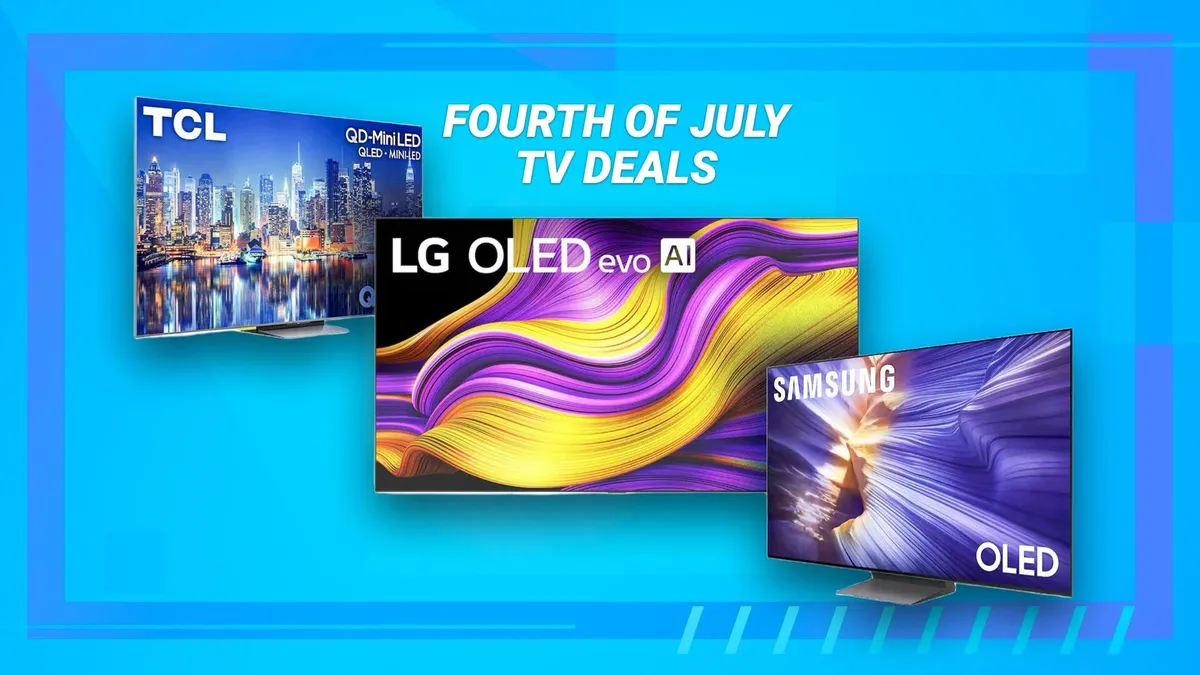
- Samsung S90F 55-inch OLED drops to $998, saving $300 on last year's flagship
- TCL QM8K 65-inch with 144Hz gaming support now $998, down from $1,500
- Hisense Canvas S7 75-inch sees the steepest cut at $1,100 off
Amazon, Best Buy, and other major retailers are offering TV discounts up to 50% off for the July 4th weekend. Samsung, Sony, TCL, and Hisense models tested by ZDNET's team are included, with savings reaching $2,000 on premium OLED and Mini-LED displays. The deals run through the holiday weekend as America marks its 250th birthday.
July 4th ranks as the second-best time to buy a television after Black Friday. Manufacturers typically clear inventory ahead of fall model releases, which means buyers can snag last year's flagships at significant markdowns. This year's sale includes cutting-edge tech like Micro RGB TVs from TCL, Sony, and Samsung.
Which July 4th TV deals are worth buying?
The TCL QM8K 65-inch stands out at $998, down from $1,500. It offers a 120Hz refresh rate that boosts to 144Hz for console gaming and live sports. The matte display cuts glare, and Bang & Olufsen designed the speakers. ZDNET tested it and rated it among TCL's best.
Samsung's S90F 55-inch drops to $998 from $1,398. Yes, it's last year's flagship OLED. But the 144Hz refresh rate and Pantone Validated panel still deliver excellent color accuracy and smooth motion for sports and gaming. The $300 discount makes it competitive with newer mid-range options.
The Hisense Canvas S7 75-inch sees the steepest cut: $1,100 off, bringing it to $1,399. ZDNET's reviewer compared it to Samsung's The Frame and found the Canvas offered a similar gallery-style design at a much better price. For buyers who want a large-format TV that blends into living room decor, this is the deal to watch.
What about premium models?
Sony's Bravia 8 II 65-inch is available for $2,698, a $600 discount. Samsung's S90H 65-inch drops to $1,998 with $700 off. Both sit in the higher-end OLED category, targeting buyers who want top-tier picture quality and are willing to pay for it. The discounts bring them closer to premium TCL and Hisense pricing, which may shift the value calculation for some shoppers.
Should you buy a TV now or wait for Black Friday?
July 4th deals often match or come close to Black Friday pricing on specific models. The key difference: Black Friday typically has a wider selection, while July 4th focuses on clearing current inventory. If you see a model you want at a price you're comfortable with, waiting six months for an uncertain discount doesn't make sense.
The 65-75 inch range sees the deepest discounts during holiday sales. Manufacturers push larger screens because they carry higher margins and help clear warehouse space. If you've been eyeing a size upgrade, this weekend is the time.
Logicity's Take
For most buyers, the TCL QM8K at $998 offers the best value per dollar. It matches Samsung's flagship refresh rates, includes premium audio hardware, and comes in at a price point that doesn't require justification. The Samsung S90F is the pick for OLED purists who want proven color accuracy. Skip the Sony unless you're already invested in Sony's ecosystem. Hisense's Canvas makes sense only if the gallery aesthetic matters to you; otherwise, you're paying for a frame.
Frequently Asked Questions
When do July 4th TV deals end?
Most retailers run deals through the weekend, typically ending Sunday or Monday. Amazon and Best Buy sometimes extend sales a day or two past the holiday.
Is July 4th a good time to buy a TV?
Yes. It's historically the second-best sale event for TVs after Black Friday. Retailers discount current inventory before fall model releases.
Are OLED TVs worth the premium over Mini-LED?
OLEDs offer deeper blacks and better contrast. Mini-LEDs are brighter and less prone to burn-in. For dark room viewing, OLED wins. For bright spaces, Mini-LED often performs better.
What size TV should I buy?
The 65-75 inch range sees the best discounts. For most living rooms with seating 8-10 feet from the screen, 65 inches is the sweet spot.
Need Help Implementing This?
Looking to upgrade your office or conference room display setup? Reach out to Logicity's team for guidance on commercial display solutions and bulk purchasing options.
Source: Latest news
Huma Shazia
Senior AI & Tech Writer
Produced with AI assistance and reviewed by the Logicity editorial team. Learn more in our Editorial Policy.