Key Takeaways
- Isar Aerospace raised €270 million in Series D funding, bringing total capital to roughly €870 million since 2018
- Defense and government contracts now represent 60% of the company's launch demand, up from mostly civil customers a year ago
- The company plans to produce up to 40 Spectrum rockets annually at its Munich facility
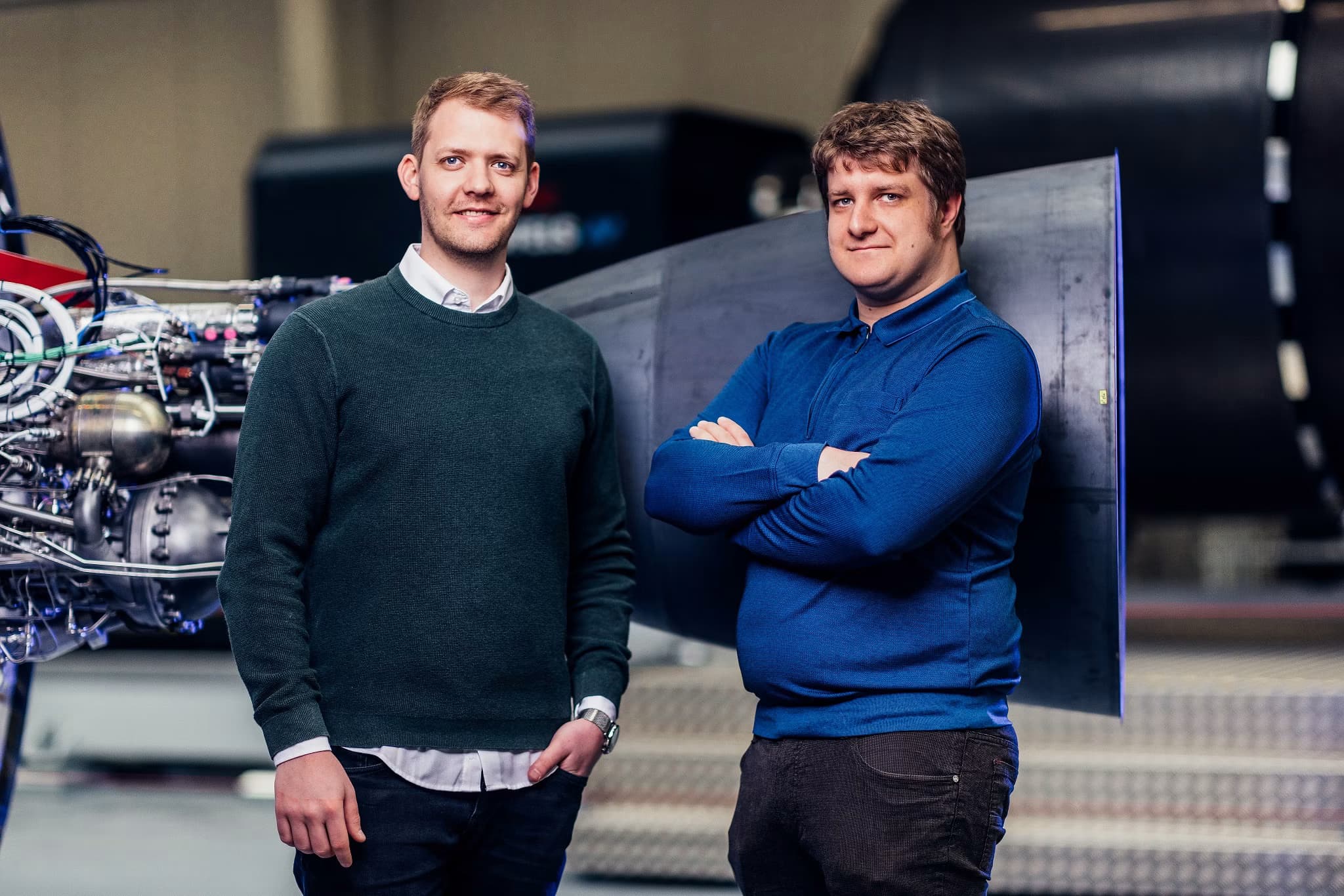
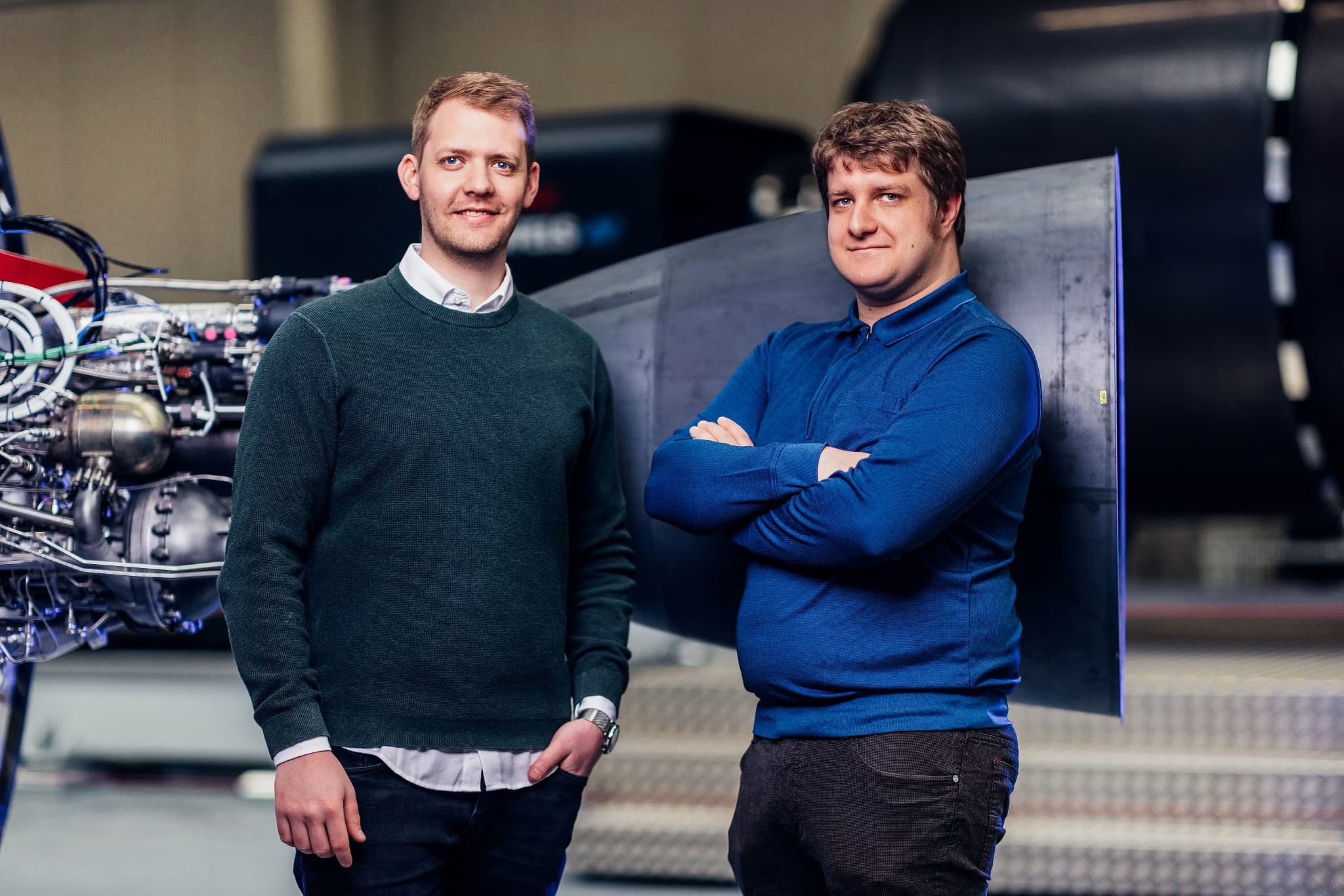
German rocket startup Isar Aerospace has closed a €270 million Series D round as European governments push to secure independent access to space. The Munich-based company plans to use the capital to ramp up production of its Spectrum launch vehicle and expand internationally.
New investors Island Green Capital and Molten Ventures led the round, with existing backers HV Capital, Lakestar, and UVC Partners participating. The raise brings Isar's total funding to approximately €870 million since the company's founding in 2018.
“We are building the infrastructure that ensures sovereign and independent access to space for Europe and our allies.”
— Daniel Metzler, CEO and Co-Founder, Isar Aerospace
Defense Demand Drives Growth
The shift in Isar's customer base tells a bigger story. Defense-related business now accounts for around 60% of demand, according to the company. Just a year ago, civil customers drove most of the launch manifest. Governments and NATO members increasingly want launch capabilities that don't depend on foreign providers.
Europe's reliance on outside launch services remains stark. Isar says fewer than 10 orbital launches were conducted from Europe in 2025, compared with more than 190 in the United States. That gap explains why the European Union recently floated Isar as one of more than 100 companies that could receive funding from its new €5 billion Scaleup Fund.
Production and Launch Expansion
The funding will scale up Isar's manufacturing capacity at its factory near Munich. The facility is designed to produce up to 40 launch vehicles per year. That's an ambitious target for a company that completed its first test flight just over a year ago.
That inaugural flight from Andøya Spaceport in Norway marked the first commercial orbital launch attempt from mainland Europe. The rocket failed to reach orbit, but CEO Daniel Metzler called the mission a "great success" for validating the company's systems.
Isar is also building out its launch infrastructure beyond Norway. The company has signed a letter of intent with Maritime Launch Services to develop a second launch site in Nova Scotia, Canada. Multiple launch locations give customers more flexibility on timing and orbital paths.
What Comes Next
Space enthusiasts and industry watchers are focused on Isar's upcoming qualification flight, expected around mid-June 2026. A successful payload delivery to orbit would validate the Spectrum vehicle's design and prove the company can execute on its commercial promises.
Online discussion has been largely optimistic. Communities on Reddit's r/Space and Hacker News see Isar's rapid growth as evidence of a maturing European space sector. The question now is whether production can scale fast enough to meet the defense demand the company is attracting.
Logicity's Take
The European Launch Gap
The disparity between European and American launch activity highlights why this funding matters. Fewer than 10 European orbital launches versus 190 American ones isn't just a statistic. It represents a strategic vulnerability that geopolitical tensions have made impossible to ignore.
Isar positions itself as part of the solution. The Spectrum is a two-stage rocket designed for small and medium satellites bound for low Earth orbit. It's not competing with SpaceX's heavy-lift capabilities. Instead, it targets the growing market for constellations and government payloads that need dedicated rides.
More on current space missions and achievements
Frequently Asked Questions
How much has Isar Aerospace raised in total?
Isar Aerospace has raised approximately €870 million since its founding in 2018, including the latest €270 million Series D round.
What is the Spectrum launch vehicle?
Spectrum is Isar Aerospace's two-stage rocket designed to deliver small and medium satellites to low Earth orbit. The company plans to produce up to 40 units annually.
Has Isar Aerospace successfully launched a rocket?
Isar completed its first test flight from Andøya Spaceport in Norway in 2024. While the rocket did not reach orbit, the company called it a successful systems test. A qualification flight is expected in mid-2026.
Why is defense driving demand for Isar's launches?
European governments and NATO members want launch capabilities that don't depend on foreign providers. Geopolitical tensions have accelerated demand for sovereign space access.
How many orbital launches happen in Europe versus the US?
According to Isar, fewer than 10 orbital launches occurred from Europe in 2025, compared with more than 190 in the United States.
Need Help Implementing This?
Source: Sifted
Manaal Khan
Tech & Innovation Writer
Produced with AI assistance and reviewed by the Logicity editorial team. Learn more in our Editorial Policy.