Key Takeaways
- The Artemis II crew hit 24,664 mph during reentry, making them the fastest living humans
- Only Apollo 10's astronauts traveled faster, at 24,791 mph in 1969
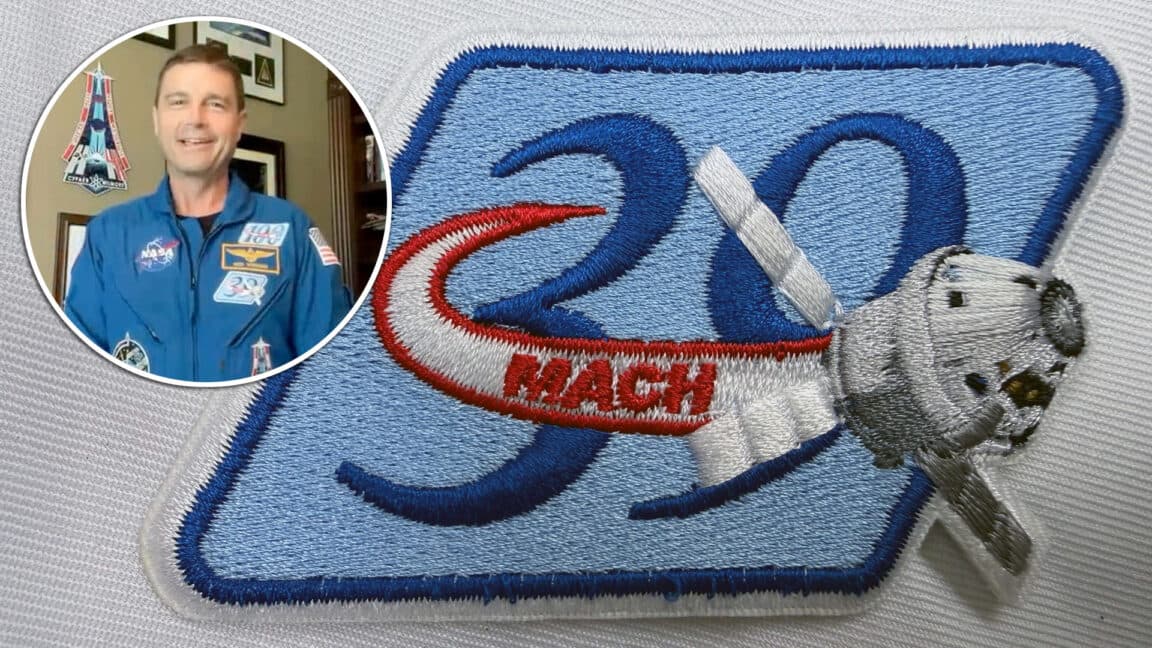
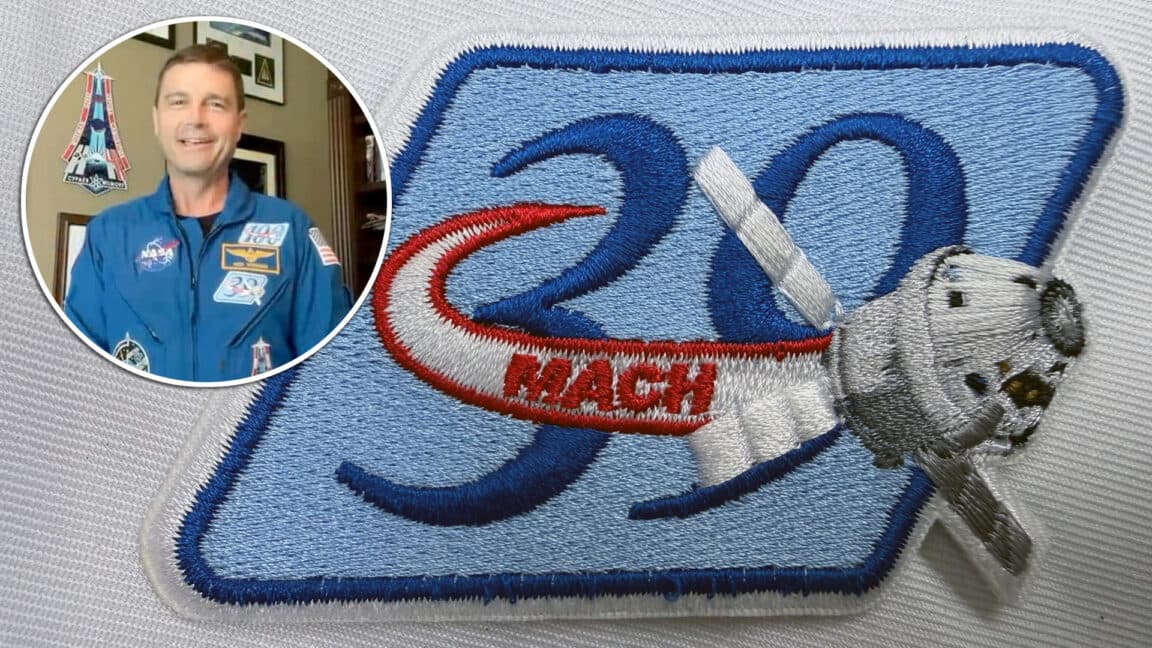
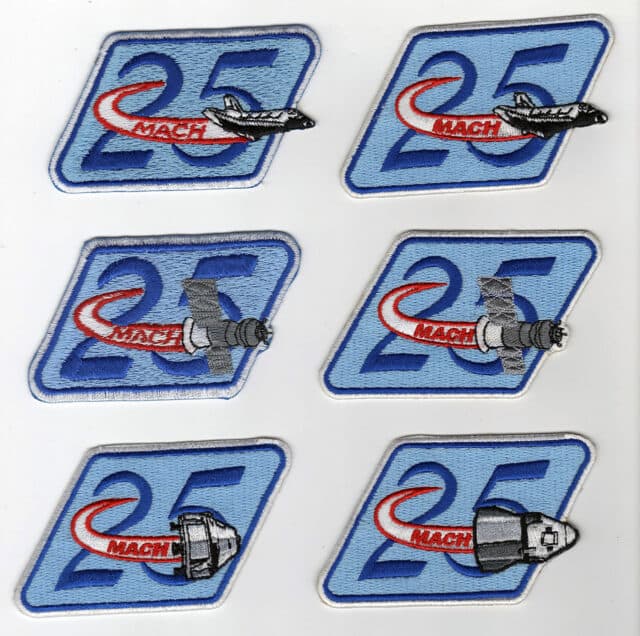
- The new Mach 39 patch updates a Space Shuttle-era tradition started 40 years ago
The Second-Fastest Humans in History
NASA's Artemis II crew now has the hardware to prove they're the fastest people alive. Mission Commander Reid Wiseman, pilot Victor Glover, mission specialist Christina Koch, and Canadian Space Agency astronaut Jeremy Hansen spent 10 days in early April flying past the Moon. On the return trip, their Orion spacecraft Integrity hit approximately 24,664 mph reentering Earth's atmosphere.
Only three other humans have ever traveled faster. Apollo 10 astronauts Thomas Stafford, John Young, and Eugene Cernan set the speed record at 24,791 mph on May 26, 1969. All three have since died. Cernan in 2017, Young in 2018, and Stafford in 2024.
Beyond speed, the crew set another record: they traveled 252,756 miles from Earth, the farthest any humans have gone. The 10-day lunar flyby marked the first crewed mission beyond low Earth orbit since Apollo 17 in 1972.
Why Mach Numbers Get Complicated in Space
At the crew's post-flight press conference on April 16, Glover explained the measurement challenge. "The number that we saw on the displays was 38.89 as the Mach," he said. "But it depends on how you measure that number. It is actually challenging how you measure from space."
“Measuring Mach in space is challenging due to varying air density and temperature, but this patch recognizes the raw performance of our return.”
— Victor Glover, Artemis II Pilot
Mach compares an object's speed to the local speed of sound. That local speed changes based on altitude, air temperature, and air density. At sea level, 24,664 mph would equal Mach 32. At the altitude where Artemis II hit peak velocity, the thinner air and colder temperature pushed the figure to Mach 39.
A 40-Year Tradition Gets an Update
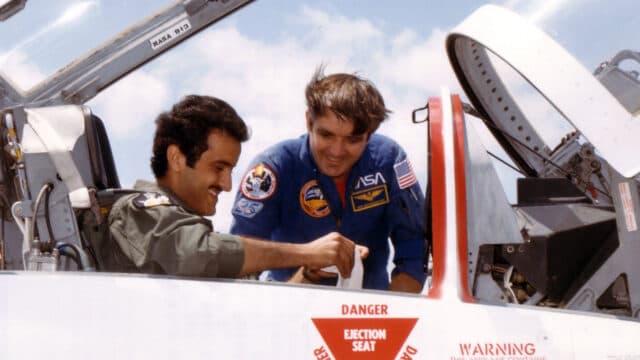
The new Mach 39 patch replaces Wiseman's old Mach 25 emblem, the original design worn by Space Shuttle astronauts for four decades. Astronauts Dan Brandenstein and Jim Buchli created the first Mach 25 patch. Brandenstein is pictured wearing his on his flight suit in 1985.
It took three weeks to finalize the new design. NASA's embroidered patch supplier, A-B Emblem in Weaverville, North Carolina, produced the emblems for the crew. The Mach 39 patch made its public debut on June 5 in a video Wiseman posted to social media.
Wiseman didn't call attention to the patch in the clip. The video focused on him reenlisting a member of the Artemis II recovery team into the US Navy. Wiseman is a retired Navy captain. But sharp-eyed viewers spotted the new Mach 39 emblem on his left chest, below his name tag and his "100 Days" in space insignia.
The Broader Artemis Symbolism
The Mach 39 patch serves a different purpose than the primary Artemis II mission patch. The main patch focuses on the "AII/All" symbolism representing global cooperation in the Artemis program. The Mach 39 emblem is purely technical. It celebrates a specific engineering milestone: the extreme reentry performance of the Orion spacecraft.
“The design is framed by the iconic 'Earthrise' perspective first captured by Apollo 8, linking the past Apollo era to the future Artemis generation.”
— NASA Mission Statement
Online reactions have split along predictable lines. Reddit discussions celebrated the mission as inspiring and unifying, with users frequently mentioning the "Overview Effect" the crew described from their lunar vantage point. Hacker News threads were more technical and critical, debating the Orion heat shield's safety margins, SLS rocket costs, and the physics of defining Mach numbers during atmospheric reentry.

Logicity's Take
Frequently Asked Questions
How fast did Artemis II travel?
The Orion spacecraft Integrity reached approximately 24,664 mph during atmospheric reentry, equivalent to Mach 39 at altitude.
Who holds the record for fastest human spaceflight?
Apollo 10 astronauts Thomas Stafford, John Young, and Eugene Cernan hold the record at 24,791 mph, set on May 26, 1969.
What is the Mach 39 patch?
It's an embroidered emblem worn by Artemis II crew members to mark their reentry speed. It updates the Mach 25 patch tradition from the Space Shuttle program.
How far from Earth did Artemis II travel?
The crew reached 252,756 miles from Earth, setting a new record for the farthest humans have traveled from our planet.
Need Help Implementing This?
Source: Ars Technica
Artemis II Crew to Appear at FIFA Fan Festival
The new article provides a specific post-mission engagement for the Artemis II crew, noting that they will appear at the FIFA Fan Festival in Houston on June 20, 2026, to share their experiences. This adds a specific, timely development regarding the crew's public activities following their mission, which was not present in the original report.
Manaal Khan
Tech & Innovation Writer
Produced with AI assistance and reviewed by the Logicity editorial team. Learn more in our Editorial Policy.