Key Takeaways
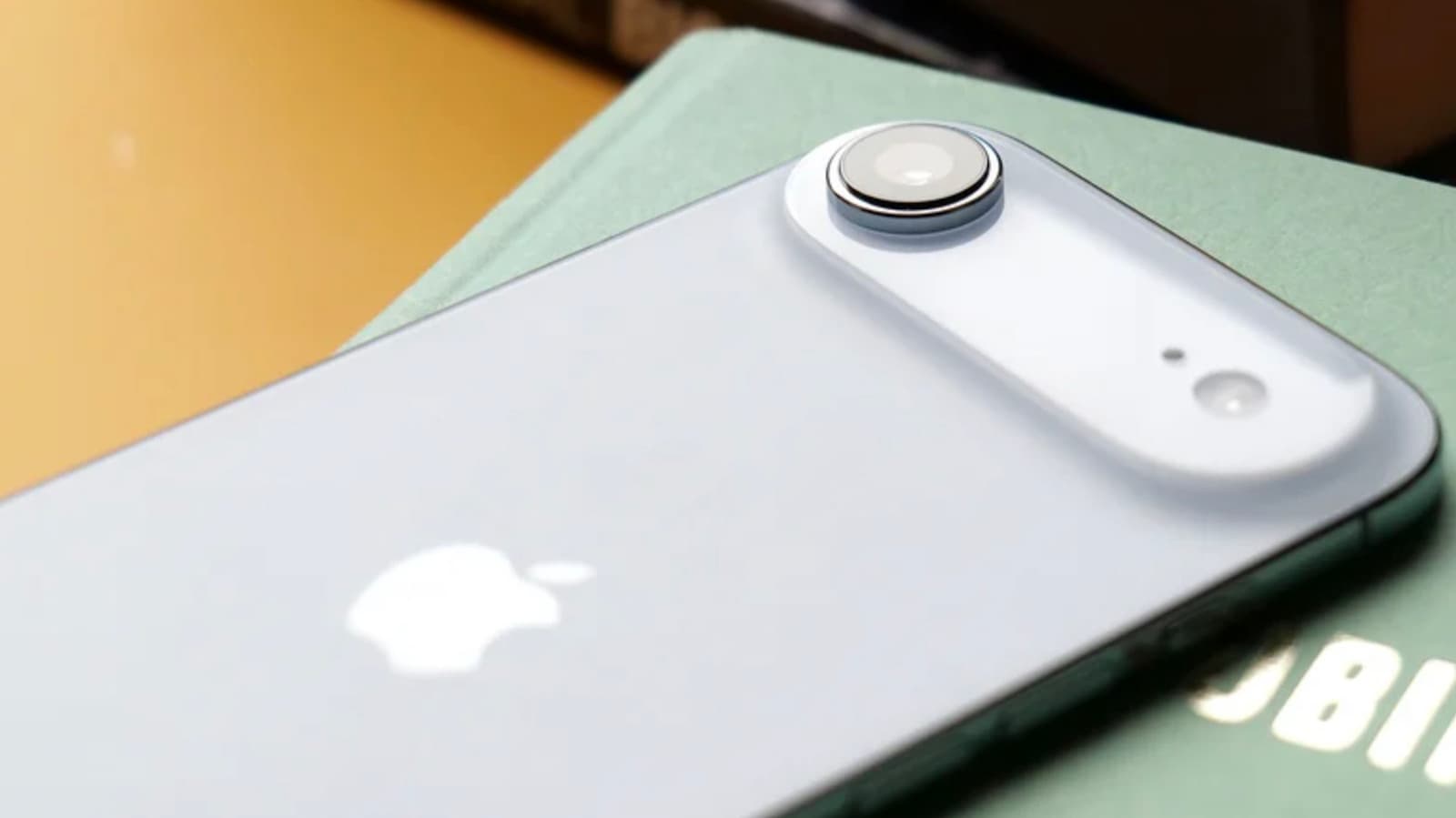
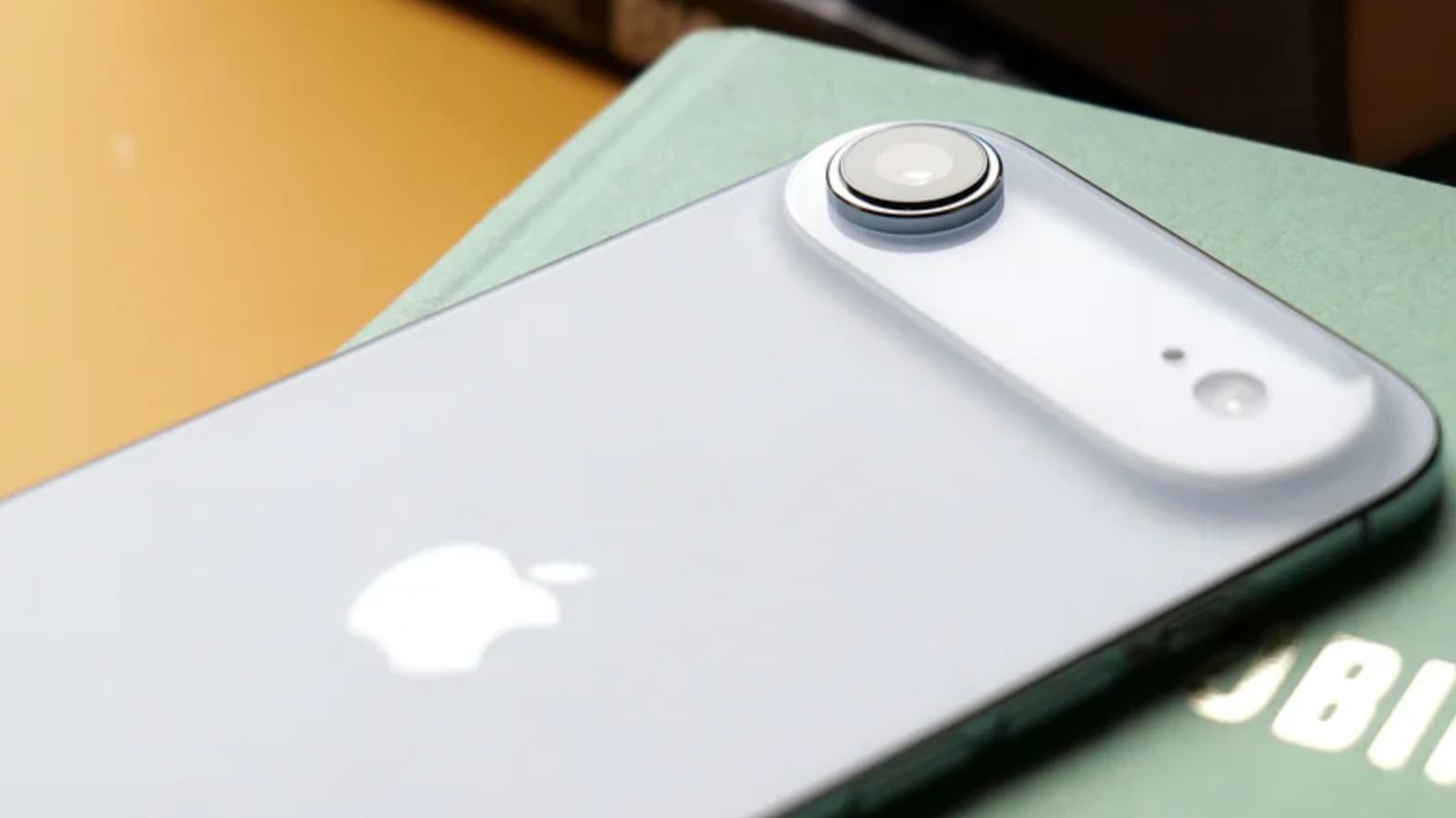
- Apple is reportedly planning an iPhone Air 2 for spring 2027 with a second rear camera
- The original iPhone Air underperformed partly due to its single-camera limitation
- Apple's shift to spring iPhone releases signals a permanent change to its product calendar
Apple is planning a second-generation iPhone Air for spring 2027, adding a dual camera system to address the biggest complaint about the original model. Bloomberg's Mark Gurman reports the device may also include better battery life and an A20 Pro processor, suggesting Apple sees the ultra-thin form factor as more than a one-off experiment.
The first iPhone Air launched in fall 2025 as Apple's thinnest smartphone ever. It didn't sell well. The main culprit, according to multiple reports: buyers weren't willing to trade camera versatility for a slimmer profile. A single 48MP rear sensor, no matter how capable, couldn't match the multi-lens systems on the standard iPhone 17 and Pro models.
What's changing in the iPhone Air 2?
Gurman's sources point to three upgrades. First, a second rear camera, likely an ultrawide lens to complement the main sensor. Second, improved battery life, which was another weak point of the original's razor-thin chassis. Third, the A20 Pro processor, rumored to use a 2nm fabrication process that could deliver efficiency gains without generating excess heat.
The engineering challenge is real. Adding camera hardware and battery capacity to an "ultra-thin" phone usually means making it thicker. Online discussion on r/apple and Hacker News reflects skepticism about whether Apple can pull this off without compromising the Air's defining characteristic.
Still, Apple has a track record of cramming more into less. The 2nm process node for the A20 should free up thermal and power headroom. Whether that's enough to support a second camera without sacrificing the slim profile remains to be seen.
Why Apple is betting on spring releases
For years, Apple launched all its iPhones in September. That changed recently. The company pushed the budget iPhone 17e to spring 2026, and now the iPhone Air 2 is slated for spring 2027. The strategy appears deliberate: concentrate the high-margin Pro models in the fall buying season, then use spring to refresh the lineup and capture a second wave of attention.
This also gives Apple more flexibility. A spring Air 2 can incorporate the latest Pro-tier silicon (the A20 Pro) months after the chip debuts, without cannibalizing fall sales of the flagship models.
The Air's place in Apple's lineup
Many analysts viewed the original iPhone Air as a stepping stone toward a foldable iPhone. Apple has struggled with small-phone strategies before. The iPhone mini sold poorly enough that Apple killed it. The iPhone SE limped along for years before its recent refresh. The Air was supposed to offer compactness differently, through thinness rather than a reduced screen size.
If the Air 2 rumor holds, Apple isn't abandoning the concept. Instead, it's iterating, addressing the camera shortfall that kept buyers away. That signals confidence in the form factor's long-term potential, not just as a foldable precursor but as a permanent product line.
The question is whether "thin" can become a selling point on its own. Phones have been getting thicker in recent years as manufacturers add bigger batteries and camera arrays. Apple is swimming against that current. To succeed, the Air 2 needs to deliver enough of what mainstream buyers expect, including a capable camera system, without sacrificing the visual appeal that justifies the Air branding.
Will the dual camera be enough?
Two cameras aren't three. The iPhone 17 Pro offers a main, ultrawide, and telephoto lens. If the Air 2 ships with just main and ultrawide, it still trails the Pro in zoom capability. For buyers who prioritize photography, that gap may still be too wide.
But Apple might be betting that the Air's target audience cares more about aesthetics and portability than telephoto reach. A slim, light phone with a competent dual-camera system could appeal to users who find the Pro models too bulky and heavy. It's a niche, but Apple has the scale to make niche products profitable.
Logicity's Take
The iPhone Air's real problem wasn't just the camera count. It was value perception. At near-Pro pricing, a single-camera phone felt like a downgrade. If Apple prices the Air 2 below the standard iPhone 18, and the dual camera closes the gap on everyday photography, the proposition changes. Thinness becomes a feature you're gaining, not a compromise you're accepting. That reframing could turn the Air from a curiosity into a legitimate third pillar alongside the standard and Pro lines.
Frequently Asked Questions
When is the iPhone Air 2 expected to launch?
According to Bloomberg's Mark Gurman, Apple is targeting a spring 2027 release for the iPhone Air 2.
How many cameras will the iPhone Air 2 have?
The iPhone Air 2 is rumored to have two rear cameras, adding a second lens to the single 48MP sensor found in the original model.
What processor will the iPhone Air 2 use?
Sources indicate the device may use a version of the A20 Pro chip, likely built on a 2nm process for improved efficiency.
Did the original iPhone Air sell well?
No. While Apple doesn't disclose individual model sales, reporting suggests the original iPhone Air underperformed, largely due to its single-camera limitation.
Is the iPhone Air related to Apple's foldable phone plans?
The Air has been widely viewed as a precursor to an eventual foldable iPhone, though this latest rumor suggests Apple also sees the ultra-thin form factor as viable on its own.
Another example of hardware companies rethinking product development cycles
Need Help Implementing This?
Building mobile-first products or adapting your app strategy for new iPhone form factors? Logicity connects you with development partners who specialize in iOS optimization. Reach out to discuss your project.
Source: Engadget
Manaal Khan
Tech & Innovation Writer
Produced with AI assistance and reviewed by the Logicity editorial team. Learn more in our Editorial Policy.




